The European Gastroenterology Week (UEG Week) serves as the preeminent global stage for digestive health professionals. For manufacturers, participating or supplying equipment aligned with these standards is a mark of E-E-A-T (Experience, Expertise, Authoritativeness, and Trustworthiness). As we observe current trends, the focus is shifting towards minimally invasive, high-precision endoscopic instruments that meet stringent EU MDR (Medical Device Regulation) requirements.
China has evolved from a volume-based manufacturer to an R&D-driven hub for endoscopic consumables. Factories focusing on ERCP, EMR, and ESD tools leverage automated assembly, cleanroom environment compliance (ISO 13485), and rigorous biocompatibility testing (ISO 10993). This ensures that global distributors receive CE-certified products that match the performance of legacy brands at significantly improved price-to-value ratios.
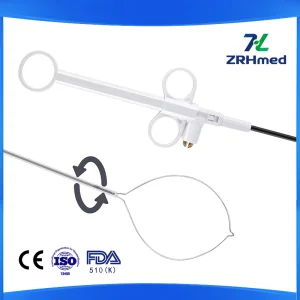
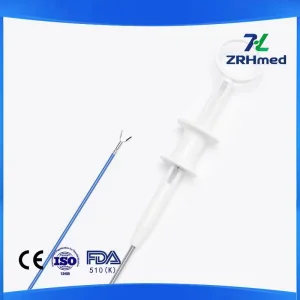
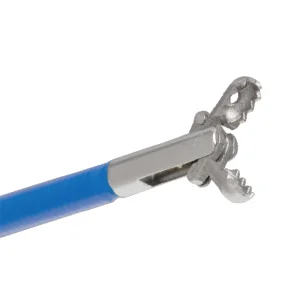
Global procurement teams are prioritizing supply chain resilience. The trend is moving toward "Integrated Manufacturing," where a single factory (like ZhuoRuiHua Medical) manages the entire lifecycle of a tool—from raw material selection for biopsy forceps to precision laser-welding for stone extraction baskets. This reduces lead times and ensures strict adherence to international regulatory documentation.
A: CE Marking, particularly under the MDR, is mandatory for the EU market. By working with a manufacturer that holds valid CE documentation for their endoscopic line, you ensure faster customs clearance and compliance with regional health authority audits.
A: High-level partners provide more than just the product—they provide technical whitepapers, usage guides, and regulatory support that helps you educate your local medical clients, establishing your authority in the niche.
A: Single-use devices eliminate the risk of cross-contamination inherent in reprocessing and sterilization. This is a critical trend globally, as clinical safety becomes the highest priority for hospital procurement boards.