Precision-extruded shafts, atraumatic tips, and medical-grade polymer bristles manufactured for rigorous gastrointestinal, pulmonary, and reprocessing protocols.
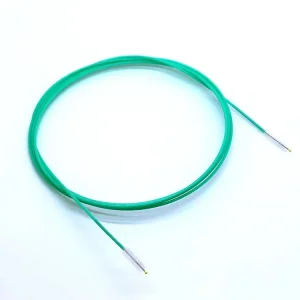
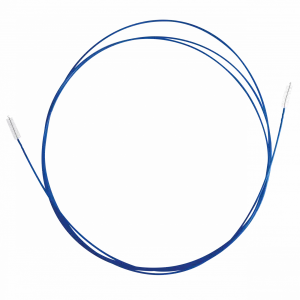
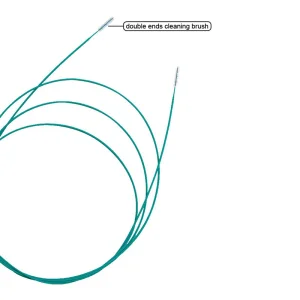
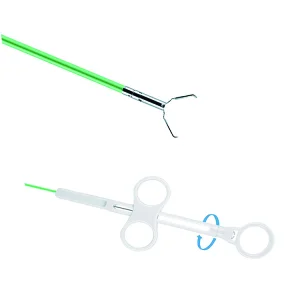
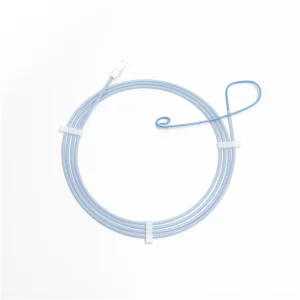
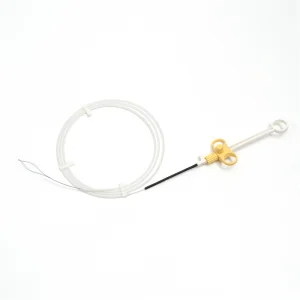
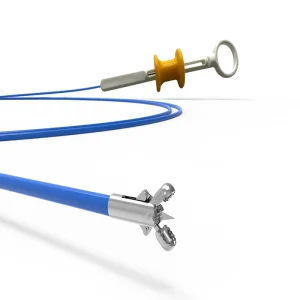
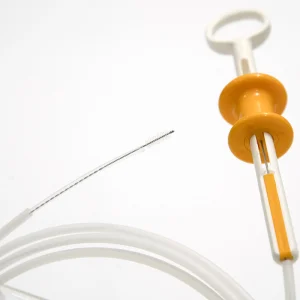
In contemporary health systems, gastrointestinal endoscopy units, pulmonary suites, and Central Sterile Supply Departments (CSSD) confront escalating demands to eliminate Healthcare-Associated Infections (HAIs). Flexible endoscopes represent some of the most geometrically complex, thermolabile medical instruments utilized in interventional medicine. With internal lumina measuring between 1.2 mm and 4.2 mm across working lengths exceeding two meters, the mechanical eradication of bioburden, patient secretions, and microbial biofilm represents the indispensable foundation of high-level disinfection (HLD) and low-temperature sterilization regimens.
As top-tier Cleaning Brushes Manufacturers & Suppliers, precision engineering requires far more than twisting synthetic fibers into stainless steel core wires. Modern clinical governance, guided by international mandates including ANSI/AAMI ST91, ESGE/ESGENA guidelines, and the European Union Medical Device Regulation (MDR EU 2017/745), requires validated cleaning efficacy, non-destructive bristle dynamics, chemical compatibility with enzymatic detergents, and guaranteed biocompatibility. Substandard cleaning brushes with poor bristle retention, abrasive wire tips, or sub-optimal radial pressure pose immediate risks: internal Teflon or polyurethane channel scoring, biofilm nucleation, bristle detachment inside lumen bottlenecks, and cross-patient cross-contamination.
Systematic engineering matched to high-volume endoscopy suites, specialized pulmonology labs, and industrial micro-channel manufacturing.
Gastroscopes and colonoscopes undergo rigorous multi-step manual scrubbing immediately following resection, polypectomy, or diagnostic screening. Our bilateral channel brushes feature matched outer bristle diameters (2.5 mm to 5.0 mm) that exert optimal radial shear against the lumen surface without causing internal PTFE delamination. Dual-head configurations maximize mechanical agitation per pass, removing blood clots, mucosal biofilms, and viscous gastric fluids rapidly.
Ultra-fine working channels in flexible bronchoscopes (typically 1.2 mm to 2.0 mm diameter) demand micro-engineered bristle matrices and hyper-flexible stainless-steel or polymer pull-wires. Atraumatic ball tips ensure smooth negotiation through extreme acute bending angles without impinging or piercing delicate channel linings during bedside and CSSD pre-cleaning routines.
Duodenoscopes with elevator mechanisms and flexible ureteroscopes feature microscopic crevices where multi-drug resistant pathogens thrive. Specialized valve, port, and elevator cleaning brushes incorporate ultra-dense, non-shedding nylon filaments angled to reach recessed mechanical junctions, purging particulate reservoirs prior to automated endoscope reprocessor (AER) insertion.
Beyond clinical reprocessing, precision laboratory test tubes, chromatography fluidic manifolds, optical fiber ferrule connectors, and micro-extrusion nozzles require lint-free, chemically inert, non-sparking cylindrical brushes. Our custom OEM bristle arrays provide uniform concentric contact, dislodging chemical scale, particulate contaminants, and resin flash.
Biofilm formation within endoscopic channels occurs rapidly when vegetative bacteria adhere to moist surfaces and secrete an extracellular polymeric substance (EPS) matrix. Enzymatic chemicals alone cannot dissolve fully mature biofilm without mechanical shearing forces. Our research and development focuses on the dynamic interaction between polymer bristle shear stress and channel wall preservation.
| Engineering Parameter | Standard Commercial Grade | ZhuoRuiHua Medical Clean-Tech Standard | Clinical / Functional Advantage |
|---|---|---|---|
| Bristle Material | Recycled Polyamide 6 / Low-grade PET | Medical-Grade Virgin Nylon 612 / PBT Co-polymer | Eliminates bristle shedding, ensures 100% elastic memory recovery |
| Core Wire Construction | Twisted Galvanized or Single SS201 Wire | Medical Grade SUS304 / SUS316L Double-Helix Twisted Core | Zero oxidative rust risk, superior kink resistance, high torsional rigidity |
| Distal Tip Configuration | Cut Exposed Wire Ends or Plastic Caps | Atraumatic Smooth Welded Polymer Spherical Bead | Prevents channel wall punctures, gouging, and internal sheath erosion |
| Shaft Sheathing | Unsheathed Wire / PVC Coating | Hydrophilic Low-Friction Fluoropolymer / FEP Sheath | Reduces insertion friction, prevents debris entrapment between twisted wires |
| Tensile Pull-Strength | < 15 N to 20 N | Validated ≥ 45 N Continuous Pull Test | Zero danger of distal brush decapitation within inaccessible channels |
Future Roadmap Focus: Micro-Structured Anti-Microbial Bristles & RFID Reprocessing Logs: Looking toward the next generation of endoscopy care, our engineering pipeline integrates antimicrobial polymer blends that suppress microbial transfer during multi-step manual washing. In tandem, we are engineering single-use tracking tags into outer packaging blisters to feed automated endoscope tracking software, ensuring hospitals maintain automated, unalterable digital audit trails of channel scrub passes for every procedural scope.
Vertical integration from raw filament compounding to Class 100,000 cleanroom automated packaging.
Unlike trading companies or regional assemblers, our Jiangxi production facility operates wire-drawing, polymer bristle extrusion, CNC twisting, tip molding, and sheath extrusion under one quality management system. This eliminates intermediary markups, compresses production lead times, and guarantees strict dimensional accuracy across millimeter tolerances.
Global medical brand owners and hospital networks require rapid modifications: custom working lengths (from 1000 mm to 2400 mm), dual vs. single brush ends, specific bristle stiffness profiles, and branded sterile blister formats. Our dedicated engineering team delivers custom production-grade prototypes within 7 to 14 days, supported by rapid mold tooling.
Single-use endoscopy accessories demand high unit volume to support universal single-use conversion programs in hospitals. Through automated twisting and continuous extrusion lines, we achieve scalable production output exceeding 2,500,000 units monthly, enabling international tender participants to offer market-beating margins without compromising clinical efficacy.
Historically, cleaning brushes were frequently classified as low-risk, Class I accessories, often treated as commodities without rigorous verification. However, following documented outbreaks of Carbapenem-Resistant Enterobacteriaceae (CRE) and Pseudomonas aeruginosa linked to complex endoscope mechanics, global health authorities transformed regulatory scrutiny. The United States Food and Drug Administration (FDA) and the European Commission now enforce exhaustive cleaning validation data.
Our products undergo comprehensive empirical validation according to AAMI ST91: Comprehensive guide to flexible and semi-rigid endoscope processing. Testing protocols quantify protein and hemoglobin log-reduction after simulated clinical contamination, validating that our brush architectures dislodge adhered artificial bioburden (such as ATS and artificial blood soils) within standard manual scrubbing cycles.
Complete design and production quality management system audited by international notified bodies, ensuring absolute traceability from resin pellet batches to sealed hospital cartons.
Fully compliant technical documentation, General Safety and Performance Requirements (GSPR) verification, post-market surveillance (PMS), and European Authorized Representative integration.
Passed cytotoxicity, sensitization, and intracutaneous reactivity testing under ISO 10993 standards to guarantee no toxic plasticizers, leachables, or chemical residues leach into clinical channels.
Expanding your medical distribution enterprise requires a supplier that acts as an operational partner rather than a detached transaction point. We deliver specialized B2B services engineered to smooth regional import barriers, hospital procurement committee approvals, and distributor market share growth:
We provide ready-to-submit dossiers formatted for regional authorities (including ANVISA, MOH, SFDA, COFEPRIS, and TGA), featuring sterilization validation reports, aging studies, and stability documentation.
Custom primary packaging, medical-grade Tyvek pouch printing, individualized multi-language IFUs (Instructions for Use), and unique GS1-compliant UDI (Unique Device Identification) barcoding.
We equip distributor sales teams with evaluation kits containing complete channel brush series, cytology brushes, and diagnostic accessories, allowing hospital CSSD directors to confirm tactile feel and cleaning performance firsthand.
Integrate your supply chain by consolidating cleaning solutions with precision ERCP, tissue sampling, and endourology systems.
Clear, authoritative guidance for supply chain managers, clinical nurse leaders, and biomedical engineers.