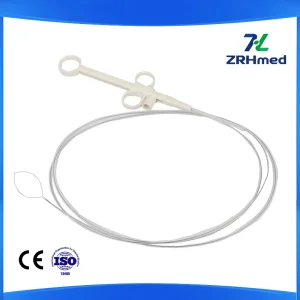
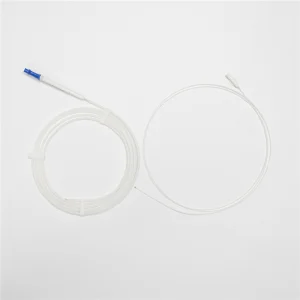
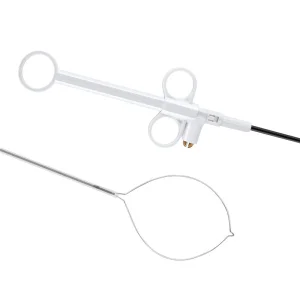
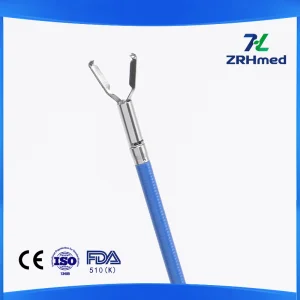
Engineered for high-yield diagnostic precision across gastrointestinal, pulmonary, and endourological interventions.
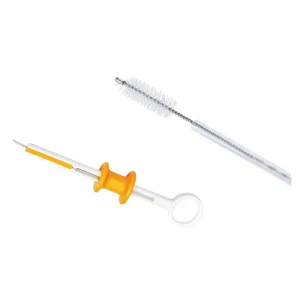
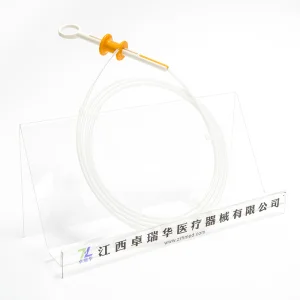
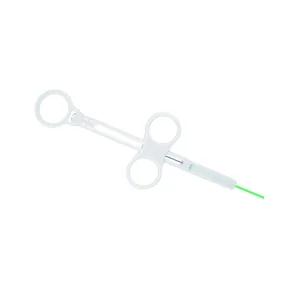
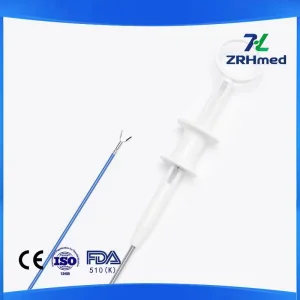
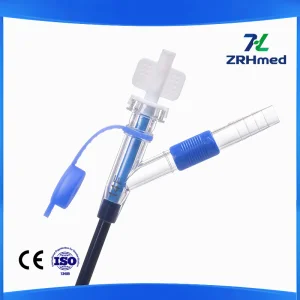
Addressing the shifting paradigm from macroscopic biopsy toward ultra-minimally invasive mucosal exfoliation, molecular pathology, and targeted early oncology screening.
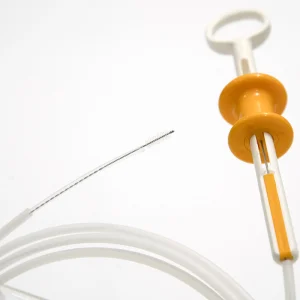
Modern gastroenterology and pulmonology protocols require intact architectural cellular clusters rather than disrupted single cells. Current trends emphasize bristle geometry engineering—incorporating spiraled nylon-66 filaments with rounded tip distal beads to prevent mucosal micro-lacerations while harvesting sufficient epithelial yield.
Global regulatory bodies (FDA, EMA) continue tightening guidelines regarding cross-contamination in flexible endoscopy. Single-use cytology brushes mitigate bacterial retention and prion transfer risks associated with tortuous channel reprocessing, driving standard shifts across tier-one clinical networks worldwide.
Cytology brushes no longer serve standard Papanicolaou stains exclusively. The contemporary oncology pipeline utilizes brush samples for next-generation sequencing (NGS), polymerase chain reaction (PCR) genetic assays, and fluorescence in situ hybridization (FISH) to detect somatic gene alterations in pancreaticobiliary malignancies.
Comprehensive engineering matrix required by hospital tender authorities, medical device importers, and global OEM partners.
| Clinical Specification | Gastrointestinal (GI) Scope | Bronchoscopy (Pulmonary) | ERCP / Pancreaticobiliary |
|---|---|---|---|
| Outer Sheath Diameter (OD) | 1.8 mm – 2.3 mm | 1.0 mm – 1.8 mm | 1.8 mm – 2.0 mm (Long Sheath) |
| Working Channel Compatibility | ≥ 2.0 mm / 2.8 mm | ≥ 1.2 mm / 2.0 mm | ≥ 2.8 mm Duodenoscope |
| Effective Working Length | 1600 mm – 2300 mm | 1000 mm – 1200 mm | 2000 mm – 2500 mm |
| Bristle Array Geometry | Conical / Cylindrical High-Density | Micro-Radial Atraumatic Tip | Ultra-Narrow Stiffened Spiral |
| Core Wire Material | 304V Medical Stainless Steel | High-Tensile Superelastic Nitinol | Braided Radiopaque Steel Core |
| Packaging & Sterilization | Tyvek Blister / EO Sterile | Tyvek Blister / EO Sterile | Tyvek Blister / EO Sterile |
Global procurement teams prioritize column strength over flexible navigation. Our proprietary co-extruded fluoropolymer outer jackets provide the exact modulus necessary to navigate tortuous loops in colonoscopes without bucking.
To eliminate bowel or bronchial perforation risks, each cytology brush integrates a spherical, laser-melted distal tip. This engineering detail guarantees zero internal scope channel scarring throughout extensive clinical routines.
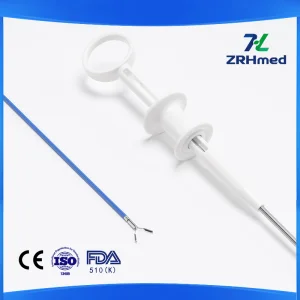
Ergonomic one-handed thumb-ring handles deliver smooth bristle extrusion and retraction tactile feedback, enabling pathologists and endoscopists to accurately identify tissue margins under direct endoscopic visualization.
From cleanroom injection molding to destination market registration support, we empower distributors with end-to-end manufacturing stability.
Custom bristle density, handle color schemes, laser printing, and multilingual patient packaging compliant with regional MDR directives.
Triple-tiered quality inspection: Spectroscopic raw-material verification, tensile bristle pull-force testing, and 100% sheath integrity optical check.
High-volume cleanroom manufacturing pipelines delivering dependable delivery cycles for multinational hospital framework agreements.
Providing local distributors with technical documentation, product stability files, biocompatibility certificates, and risk management portfolios.
Mitigating cross-border friction through strict adherence to medical device regulatory authorities and technical documentation standards.
Full implementation of Technical Documentation Files according to Annex II and III of EU MDR. All cytology devices carry rigorous Clinical Evaluation Reports (CER) and Post-Market Clinical Follow-up (PMCF) plans to ensure uninterrupted compliance in European Union member states.
Designed and verified to predicate device standards under 21 CFR 876.1500 (Endoscope and accessories). Biocompatibility tested in full accordance with ISO 10993-1 endpoints: Cytotoxicity, Sensitization, Intracutaneous Reactivity, and Acute Systemic Toxicity.
Rapid dossier compilation supporting Ministry of Health registrations throughout LATAM (ANVISA Brazil, COFEPRIS Mexico), Southeast Asia (MDA Malaysia, TFDA Taiwan), and the Middle East. Standardized CFDS certificates and Apostille legalizations provided.
Investing in next-generation medical brush architectures designed to meet the evolving landscape of diagnostic oncology.
Developing integrated radiofrequency (RF) mucosal exfoliating brushes that combine low-thermal lesion coagulation with instant cellular sampling for rapid pancreaticobiliary diagnostic yield.
R&D trials in photo-reactive hydrophilic polymers for the outer delivery sheath, cutting friction coefficients by 65% when maneuvering through acute retroflexed endoscope tips.
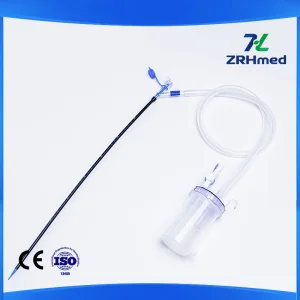
Next-gen aspiration-brush hybrids featuring dedicated irrigation and suction lumens to collect brush-exfoliated material directly into an integrated liquid-based histology transport vial.
Clear, direct insights addressing technical specifications, customization thresholds, quality assurance, and distributor logistics.
Our cytology brush bristles are manufactured using medical-grade Virgin Polyamide (Nylon 66) filaments with specialized tip roundness to prevent mucosal trauma. The central core wire is precision-twisted from high-tensile 304V surgical stainless steel, ensuring exceptional torsional transmission (1:1 torque ratio) and preventing bristle detachment under rigorous brush strokes.
The catheter sheath is extruded from virgin Polytetrafluoroethylene (PTFE) or Fluorinated Ethylene Propylene (FEP). These low-friction fluoropolymers provide an exceptionally slick exterior surface (dynamic friction coefficient < 0.1), preventing friction against the biopsy channel lining of flexible endoscopes even when operating under high degrees of tip articulation.
For standard sterile catalog products, we accommodate low trial orders starting at 500 units. For full OEM private labeling (customized branding, specialized sheath lengths, bespoke handle colors, and multilingual packaging boxes), our standard baseline MOQ is typically 2,000 units per specification model.
Every lot is subjected to Ethylene Oxide (EO) sterilization validated strictly against ISO 11135 requirements. We issue full sterility assurance certificates, bioburden test reports, and EO residual documentation (≤ 4 mg/device conforming to ISO 10993-7) with each commercial dispatch.
We provide full technical documentation dossiers including ISO 13485:2016 quality management certificates, CE MDR Declarations of Conformity, Device Master Files (DMF), biocompatibility study packages (ISO 10993 series), shelf-life stability test data (accelerated and real-time 3-year data), and Free Sale Certificates (FSC).
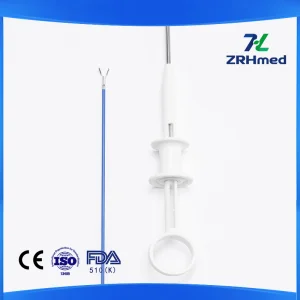
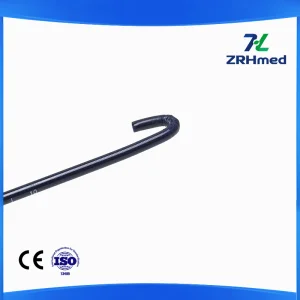
Complementary single-use tools manufactured to strict hospital specifications and reliable supply chain standards.