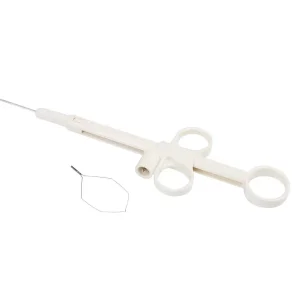
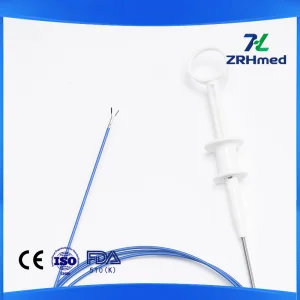
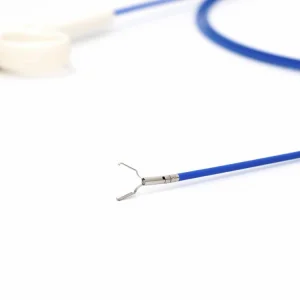
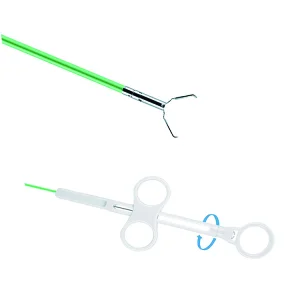
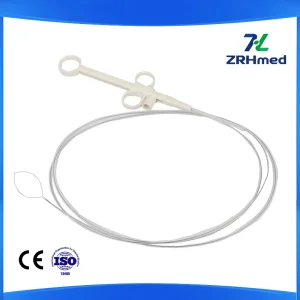
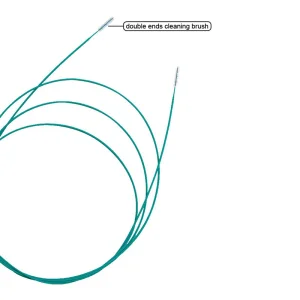
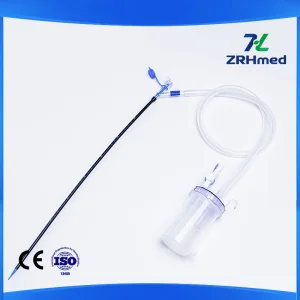
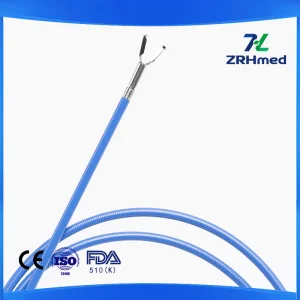
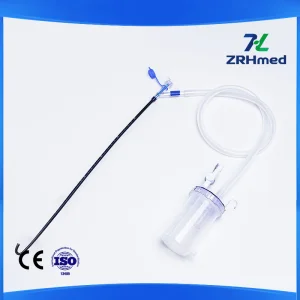
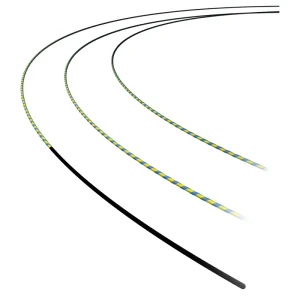
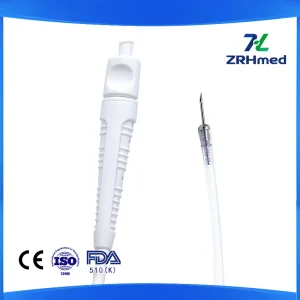
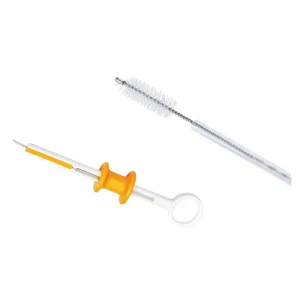
In the landscape of modern gastroenterology, the demand for endoscopic hemostatic clips has reached a critical inflection point. As endoscopic mucosal resection (EMR) and endoscopic submucosal dissection (ESD) procedures grow in frequency, procurement teams must balance unit costs with high-E-E-A-T (Experience, Expertise, Authoritativeness, and Trustworthiness) standards. This guide provides an analytical perspective on the supply chain, cost-optimization, and future clinical trajectories.
The market is seeing a massive transition toward single-use sterile endoscopic accessories. This shift is driven by the necessity to mitigate cross-contamination risks and the operational efficiency gained by eliminating complex reprocessing cycles.
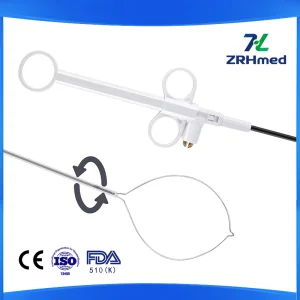
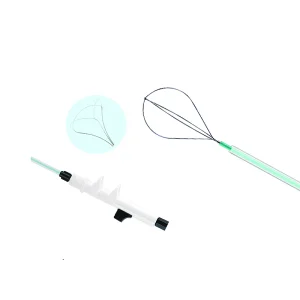
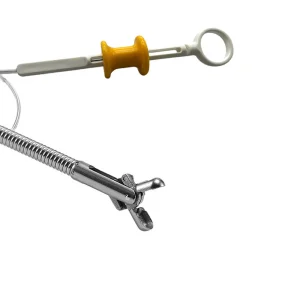
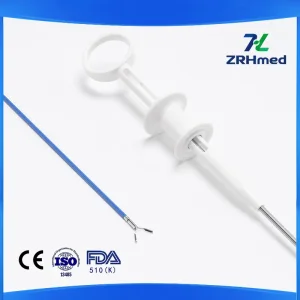
Modern hemostatic clips now prioritize 360-degree rotation, re-openability, and superior tensile strength. These features are no longer "premium" extras but fundamental requirements for clinicians performing complex resection.
With global supply chain fluctuations, strategic procurement now focuses on vertical integration. Partnering with factories that control their own R&D and tooling allows for better price stability and shorter lead times.
When analyzing endoscopic hemostatic clips price, savvy buyers look beyond the sticker price. True "Information Gain" involves evaluating the Total Cost of Ownership, including regulatory documentation support, defect rates, and supply continuity. Our manufacturing process incorporates strict ISO 13485 compliance to ensure every clip meets international safety standards.
Economies of scale significantly reduce manufacturing overhead. We offer tiered pricing models for distributors, particularly for long-term OEM contracts.
We provide rapid prototyping for private-label products. Depending on the complexity of the packaging requirements, our typical cycle is 4-8 weeks.
We utilize a triple-gate QC system (Incoming, In-process, Final Inspection) with full lot traceability, ensuring compliance with global MDR requirements.