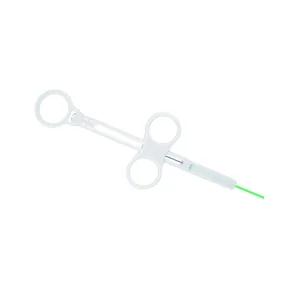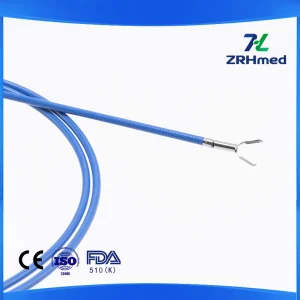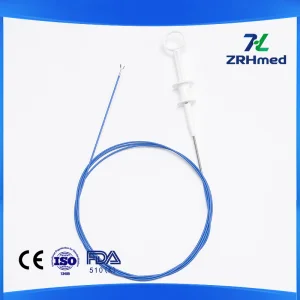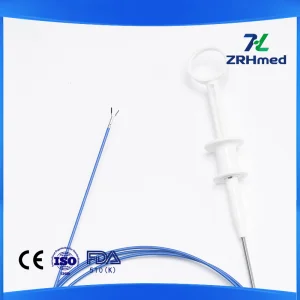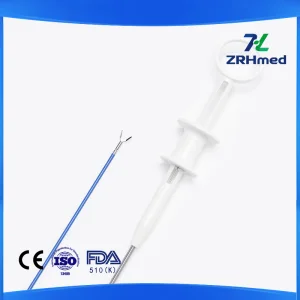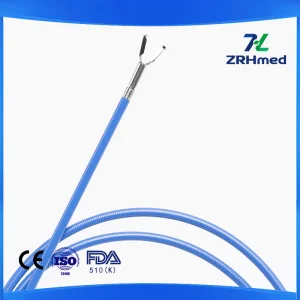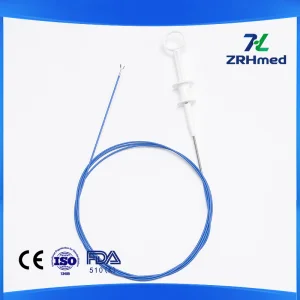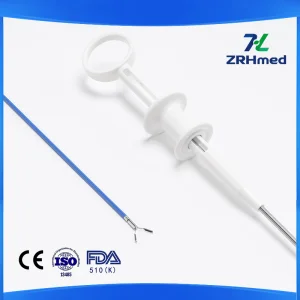
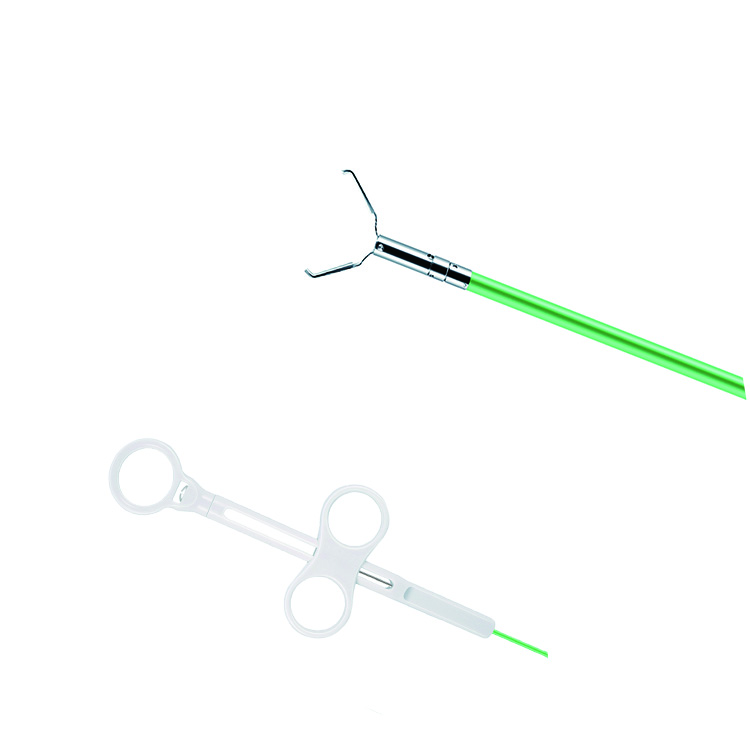
Product Detail:
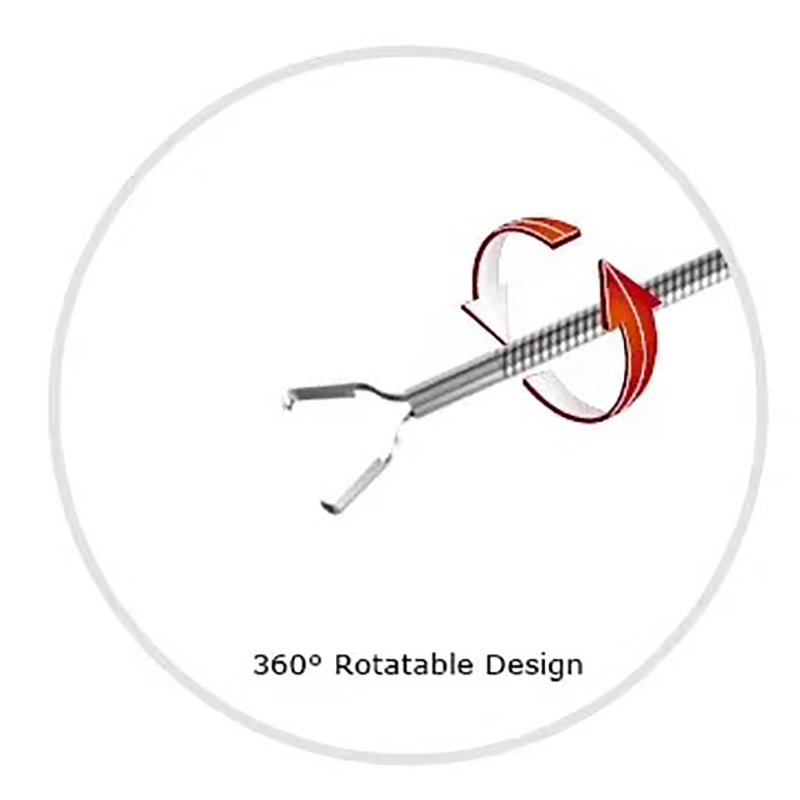
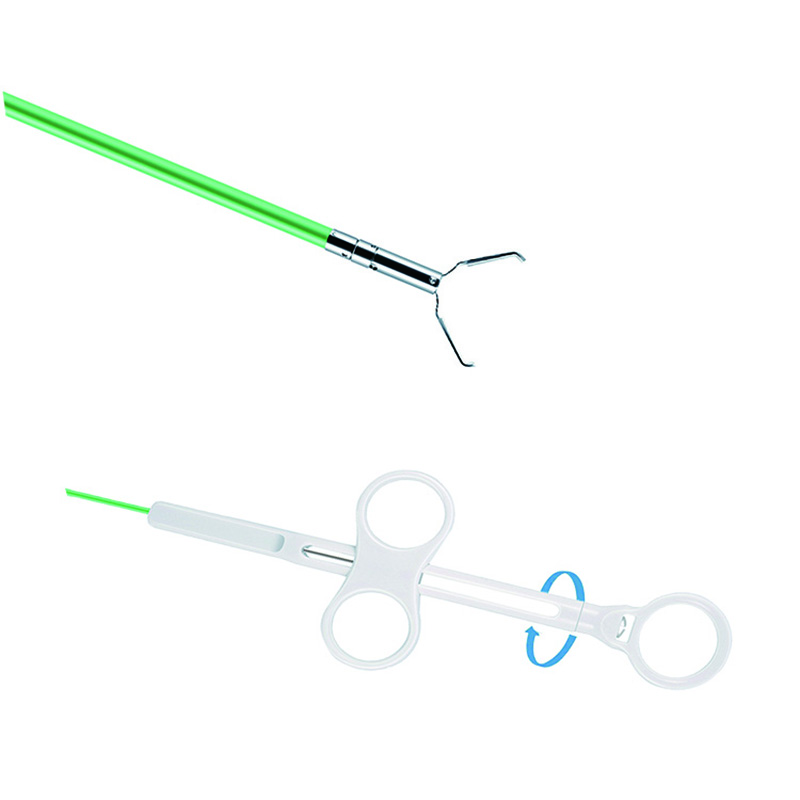
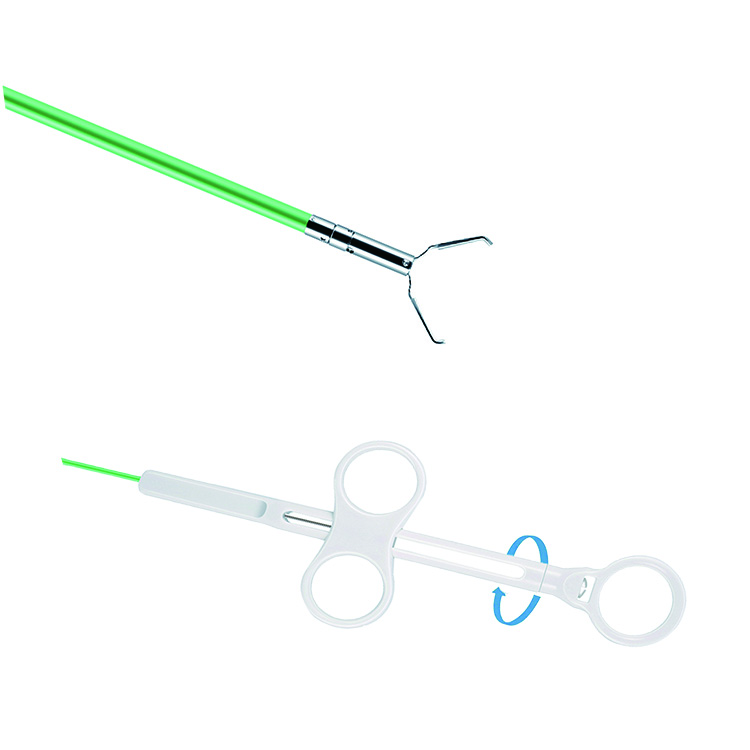
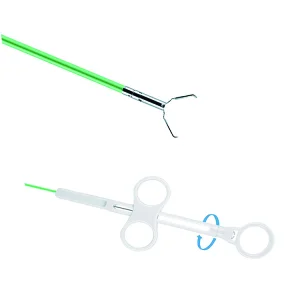
Rotation with the handle at 1:1 ratio. (*Rotate the handle while holding the tube joint with one hand)
Reopen function prior to deployment. (Caution: Open and close up to five times)
MR Conditional : Patients undergo an MRI procedure after clip placement.
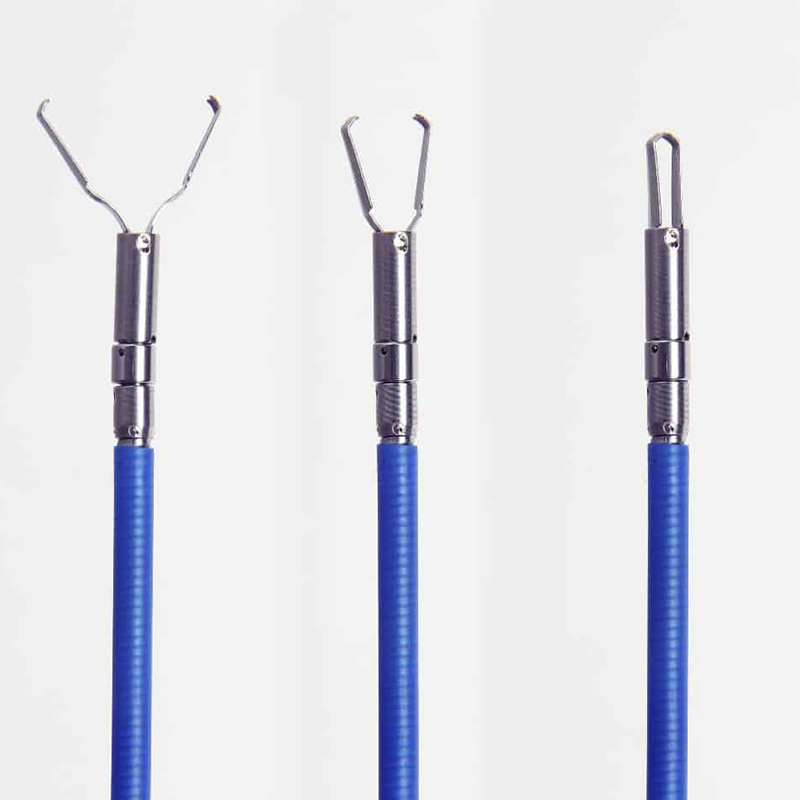
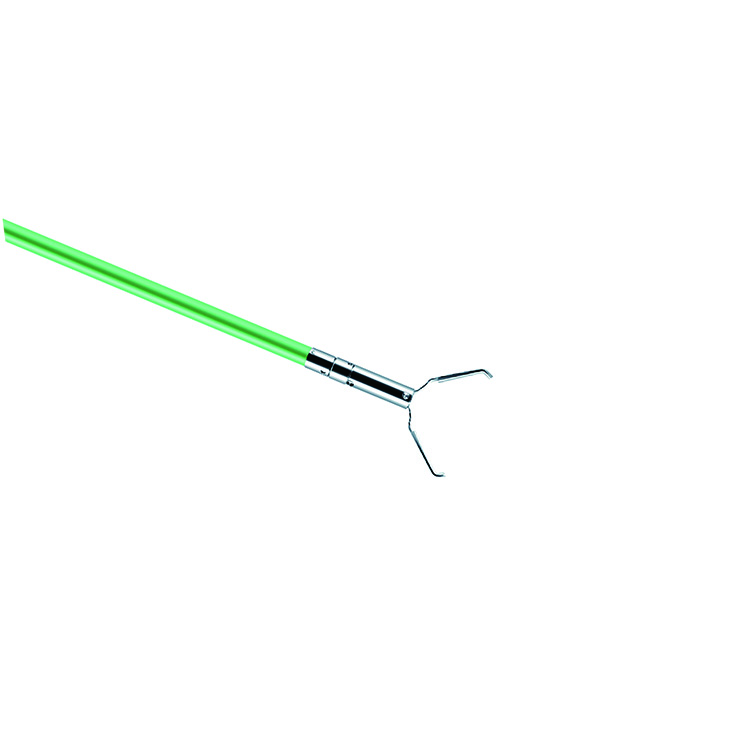
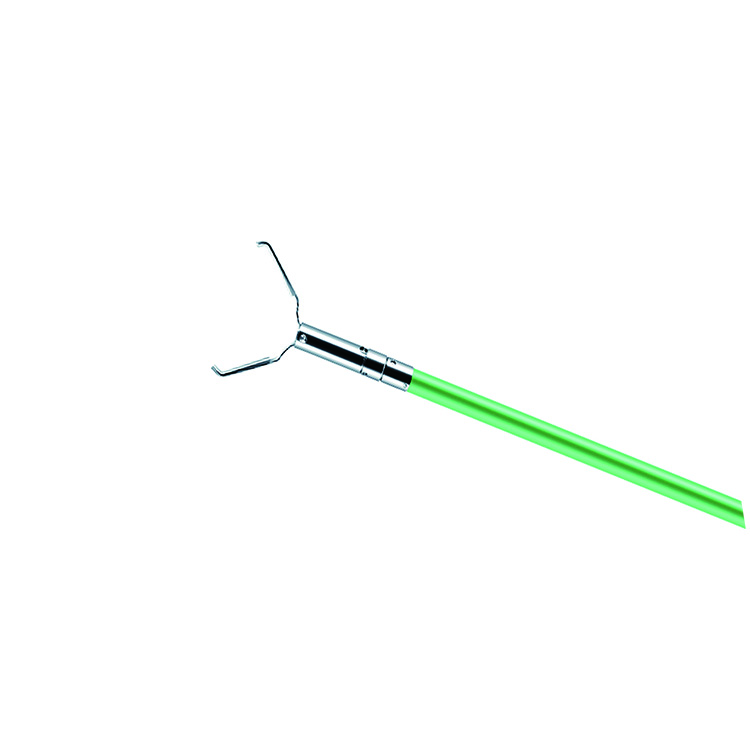
11mm Adjustable Opening.
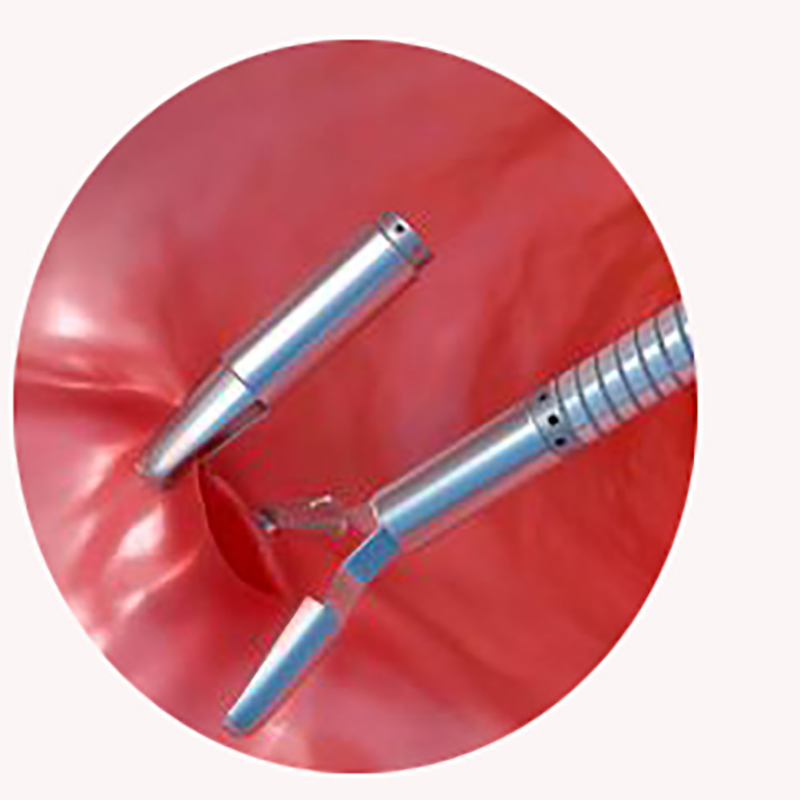
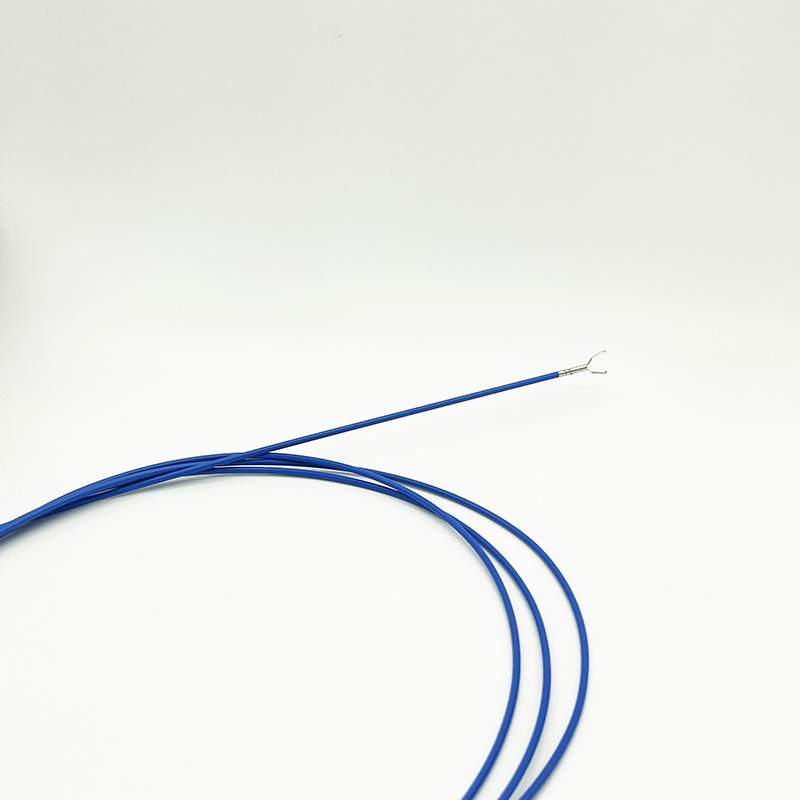
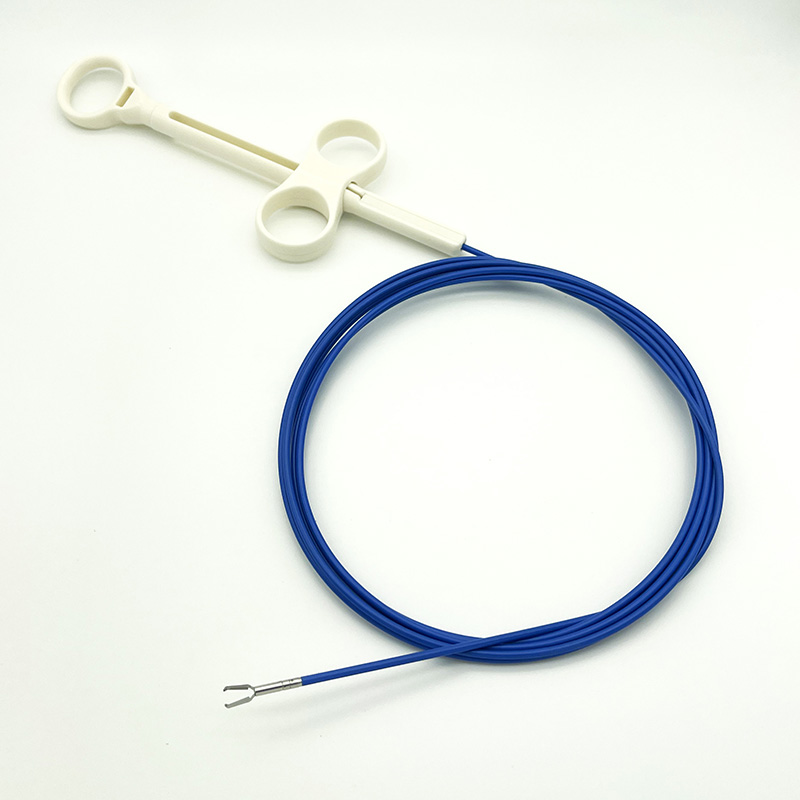
Our endoclip are used to stop bleeding from small arteries within the digestive tract. Indications for treatment also include: Bleeding ulcers, diverticula in the colon, luminal perforations smaller than 20 mm.
Specifications
Model
Clip Opening Size (mm)
Working Length (mm)
Endoscopic Channel (mm)
Characteristics
ZRH-HCA-165-9-L
9
1650
≥2.8
Gastro
Uncoated
ZRH-HCA-165-12-L
12
1650
≥2.8
ZRH-HCA-165-15-L
15
1650
≥2.8
ZRH-HCA-235-9-L
9
2350
≥2.8
Colon
ZRH-HCA-235-12-L
12
2350
≥2.8
ZRH-HCA-235-15-L
15
2350
≥2.8
ZRH-HCA-165-9-S
9
1650
≥2.8
Gastro
Coated
ZRH-HCA-165-12-S
12
1650
≥2.8
ZRH-HCA-165-15-S
15
1650
≥2.8
ZRH-HCA-235-9-S
9
2350
≥2.8
Colon
ZRH-HCA-235-12-S
12
2350
≥2.8
ZRH-HCA-235-15-S
15
2350
≥2.8
Clinical Use & Indications
The Endoclip can be placed within the Gastro-intestinal (GI) tract for the purpose of hemostasis for:
Mucosal/sub-mucosal defects < 3 cm
Bleeding ulcers
Arteries < 2 mm
Polyps < 1.5 cm in diameter
Diverticula in the colon
This clip can be used as a supplementary method for closure of GI tract luminal perforations < 20 mm or for endoscopic marking.
Key Features & Benefits
Atraumatic Tip
Prevents the endoscopy from damage.
Sensitive Release System
Easy to release clip provision.
360° Rotatable Clip Design
Offer a precise placement.
Repeated Opening and Closing Clip
For an accurate positioning.
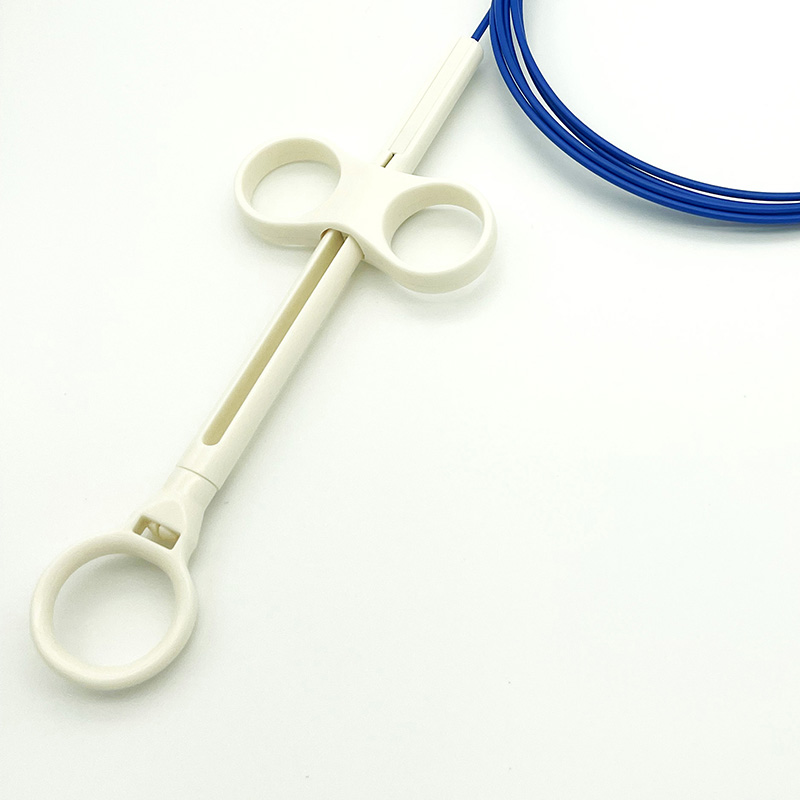
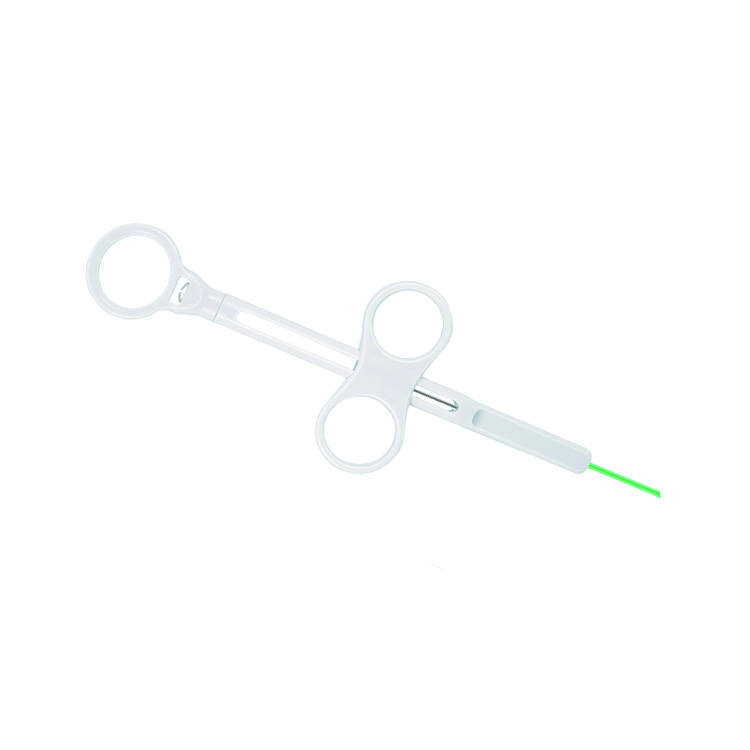
Ergonomically Shaped Handle
User Friendly.
EMR & ESD Procedure Overview
Accessories needed for EMR operation include injection needle, polypectomy snares, endoclip and ligation device (if applicable) single-use snare probe could be used for both EMR and ESD operations, it also names all-in-one due to its hybird functions. Ligation device could assist polyp ligate, also used for purse-string-suture under endoscop, the hemoclip is used for endoscopic hemostasis and clamping the wound in GI tract.
Frequently Asked Questions
What are EMR and ESD?
EMR stands for endoscopic mucosal resection, an outpatient minimally invasive procedure for removing cancerous or other abnormal lesions found in the digestive tract. ESD stands for endoscopic submucosal dissection, an outpatient minimally invasive procedure using endoscopy to remove deep tumors from the gastrointestinal tract.
EMR or ESD, how to determine?
EMR should be the first choice for:
Superficial lesion in Barrett's esophagus
Small gastric lesion <10mm, IIa, difficult position for ESD
Duodenal lesion
Colorectal non-granular/non-depressed <20mm or granular lesion
ESD should be the top choice for:
Squamous cell carcinoma (early) of the esophagus
Early gastric carcinoma
Colorectal (non-granular/depressed >20mm) lesion
What are the primary clinical indications for using the Endoclip?
The endoclip is indicated for stopping bleeding from small arteries (< 2 mm) within the digestive tract, treating bleeding ulcers, mucosal/sub-mucosal defects < 3 cm, polyps < 1.5 cm in diameter, and diverticula in the colon. It also serves as a supplementary closure tool for GI tract luminal perforations smaller than 20 mm or for endoscopic marking.
What accessories are needed for an EMR operation?
Accessories required for an EMR operation include an injection needle, polypectomy snares, endoclip, and a ligation device (if applicable). A single-use snare probe can be used for both EMR and ESD operations as an all-in-one device due to its hybrid functions.
How do the clip design features assist surgical precision?
The device features a 360° rotatable clip design and allows repeated opening and closing for accurate positioning prior to release. Additionally, the atraumatic tip protects endoscopes from damage while the sensitive release system ensures effortless deployment.