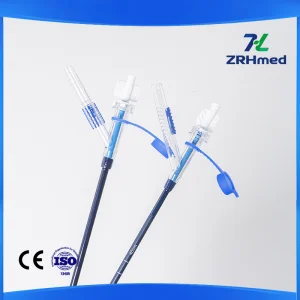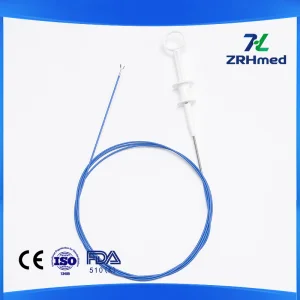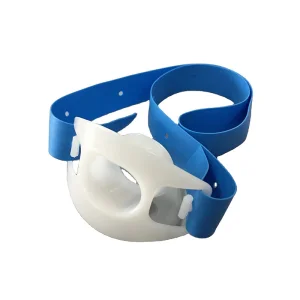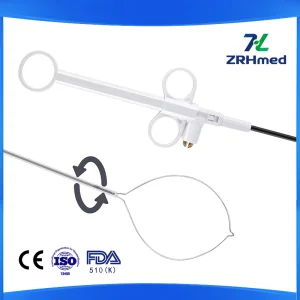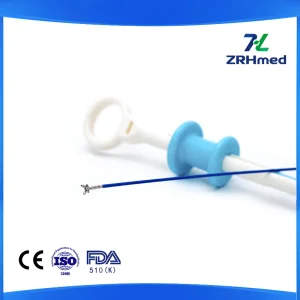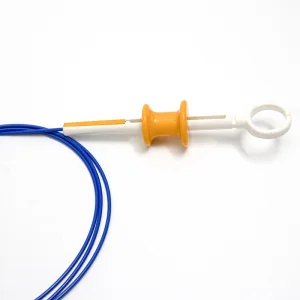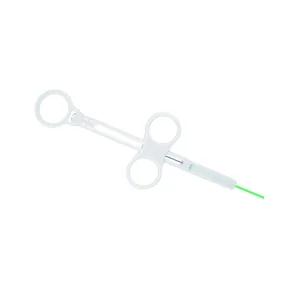
Engineered for high-volume hospital tenders, standard working channel conformity, and MDR/FDA-grade compliance.
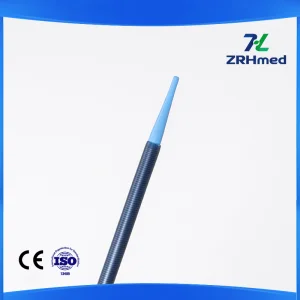
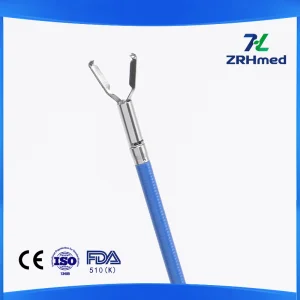
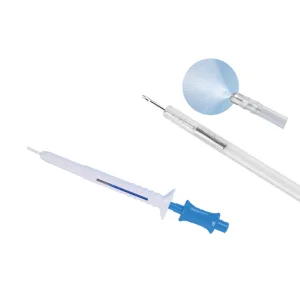
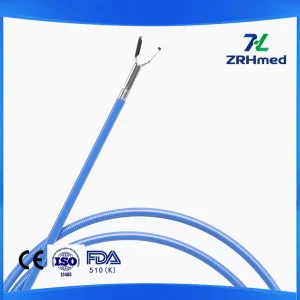
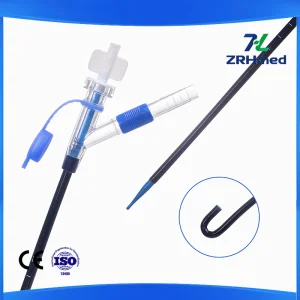
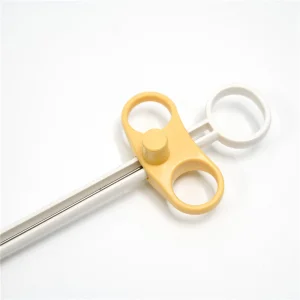
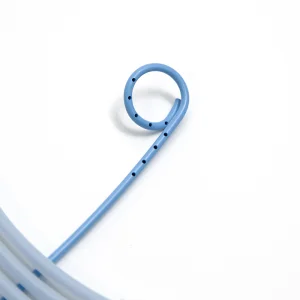
The global transition from reusable to single-use endoscopic instruments is accelerating, driven by infection control mandates, micro-precision engineering, and total-cost-of-ownership optimizations.
In modern gastrointestinal endoscopy and bronchoscopy, tissue histopathological diagnostic accuracy hinges entirely on the architectural integrity of the extracted specimen. Reusable forceps inevitably suffer from micro-mechanical degradation: cup edges dull after repeated autoclave cycles, pull wires develop fatigue slack, and biological debris accumulates within the spring coil sheath despite rigorous ultrasonic disinfection. This degradation leads to tissue crush artifacts, rendering up to 14% of pathology samples suboptimal for molecular diagnostic staging or immunohistochemistry.
Consequently, procurement directorates across tier-1 healthcare systems, ambulatory surgical centers (ASCs), and specialized oncology institutions worldwide have executed wholesale operational mandates toward single-use sterile disposable biopsy forceps. Single-use forceps guarantee factory-calibrated sharpness on every bite, ensuring clean mechanical cuts with zero cell shearing, intact crypt architecture, and total elimination of multidrug-resistant pathogen transmission (such as CRE and Pseudomonas aeruginosa).
Traditional hospital cost modeling often erroneously categorized reusable forceps as capital-efficient assets. However, rigorous health economic audits demonstrate that when factoring in enzymatic cleaning agents, manual scrubbing technician hours, steam autoclave cycles, periodic micro-sharpening, maintenance tracking, and sterile reprocessing failures, the true cost per procedure of reusable forceps significantly exceeds that of high-quality mass-manufactured single-use devices.
Furthermore, high-throughput endoscopy suites face substantial opportunity costs during turnaround delays. Disposable biopsy forceps arrive pre-sterilized via Ethylene Oxide (EO), in peel-pack medical-grade Tyvek packaging, ready for immediate bedside deployment. This allows ASCs and endoscopy units to compress turnover time between consecutive patient colonoscopies and gastroscopies, optimizing endoscope suite utilization rates.
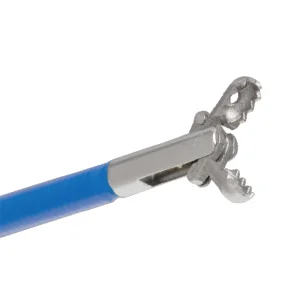
Ultra-sharp stainless steel jaw profiles minimize mucosal trauma and arterial bleeding risks while yielding sufficient tissue volume for PCR and biomarker profiling.
Fully compliant with international epidemiological mandates (CDC, ESGE, WGO) requiring single-use critical intervention tools penetrating sterile mucosal barriers.
Instant clinical deployment eliminates instrument tracking and sterilization queue bottlenecks, directly elevating daily patient examination capacity.
Inside the automated tooling, cleanroom fabrication, and strict multi-tier quality control architecture behind Jiangxi ZhuoRuiHua Medical's global competitive edge.
Utilizing Metal Injection Molding (MIM) paired with multi-axis micro-EDM machining to achieve cup wall thickness tolerances under ±0.01mm for supreme biting power.
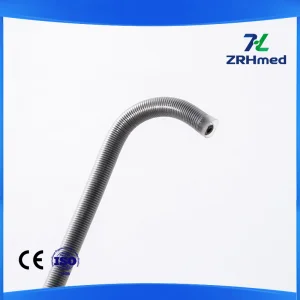
Dual-wound stainless steel spring coils covered in heat-shrink low-friction polymer sleeves deliver 1:1 tactile torque transmission through tortuous retroflexed anatomy.
Optical laser measurement for cup sharpness, tensile testing on pull-wire anchor welds (>45N requirement), and full channel insertion friction simulations.
Centrally localized raw material processing (medical-grade 304/316L stainless steel, biomedical polymers) ensures immune resistance against global logistics volatility.
Unlike assembly-only contractors, Jiangxi ZhuoRuiHua Medical maintains proprietary in-house command over the full manufacturing lifecycle. High-tensile core wire drawing, laser micro-welding of mechanical clevis linkages, automated cup-grinding, PTFE sleeve extrusion, and final cleaning sit squarely under ISO 13485:2016-certified rooflines. This unified manufacturing footprint minimizes third-party vendor markups, stabilizes lead times, and allows customizable length/diameter adjustments on OEM private-label contracts.
Our automated laser-alignment rigs verify that each set of opposing cup jaws matches with absolute zero radial play. When an endoscopist activates the ergonomic finger-ring handle, the closing force is uniformly distributed along the entire scissor perimeter. This prevents sample slippage in challenging endoscopic orientations, such as duodenal bulb retroflexion or acute-angle colonic splenic flexures.
Tailored physical characteristics designed to meet varying anatomical challenges, channel friction limitations, and specimen extraction volume mandates.
Optimized for gastric fundus, antrum, and esophageal surveillance in Barrett’s esophagus and early gastric cancer (EGC) screenings.
Engineered for full colonic navigation, polyposis surveillance, and inflammatory bowel disease (IBD) mucosal tracking.
Ultra-miniaturized profile calibrated for peripheral bronchial sub-segments and endobronchial lesion histopathology.
Transparent technical, regulatory, and logistics answers for hospital group purchasing directors, medical distributors, and private-label buyers.
Complete single-source procurement for gastroenterology suites, bronchoscopy suites, and endourology operating rooms.