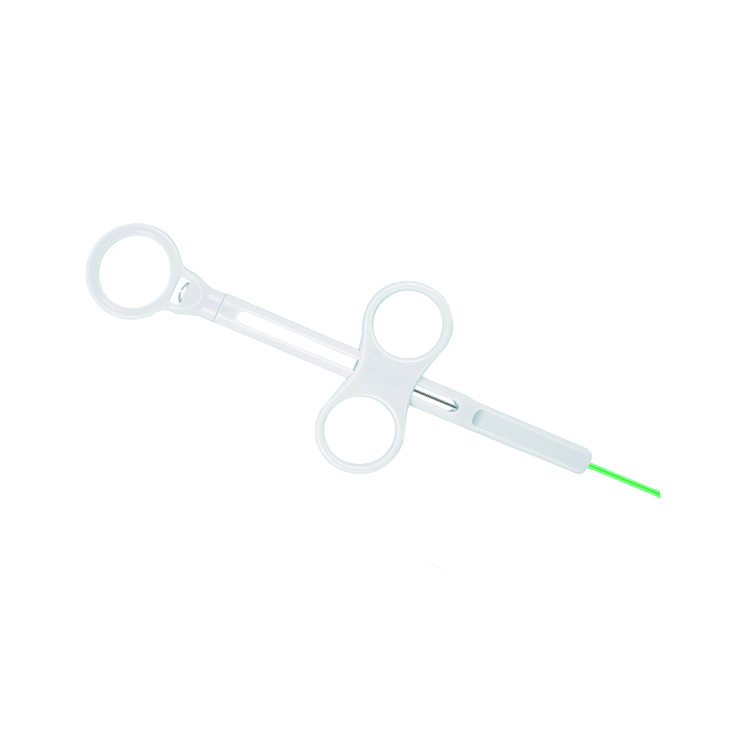
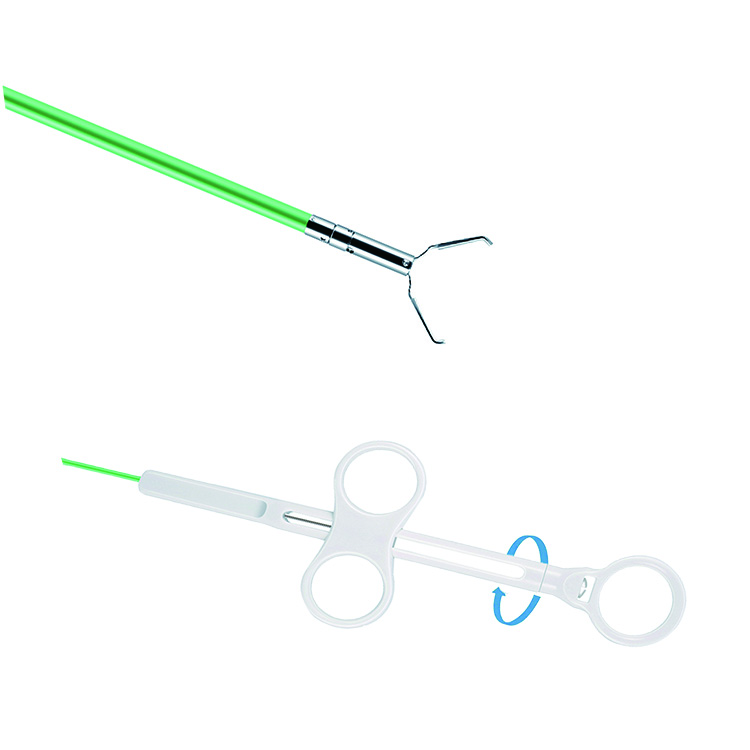
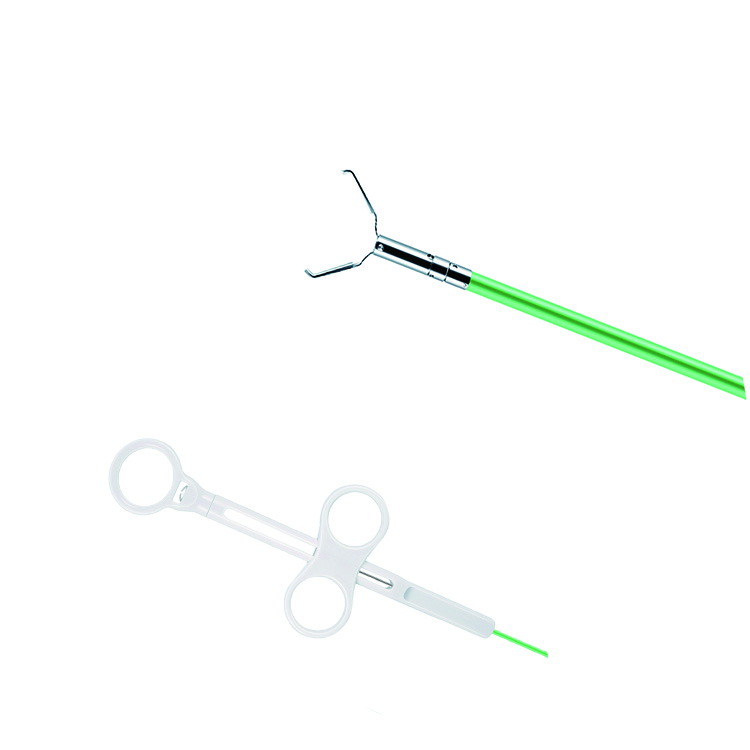
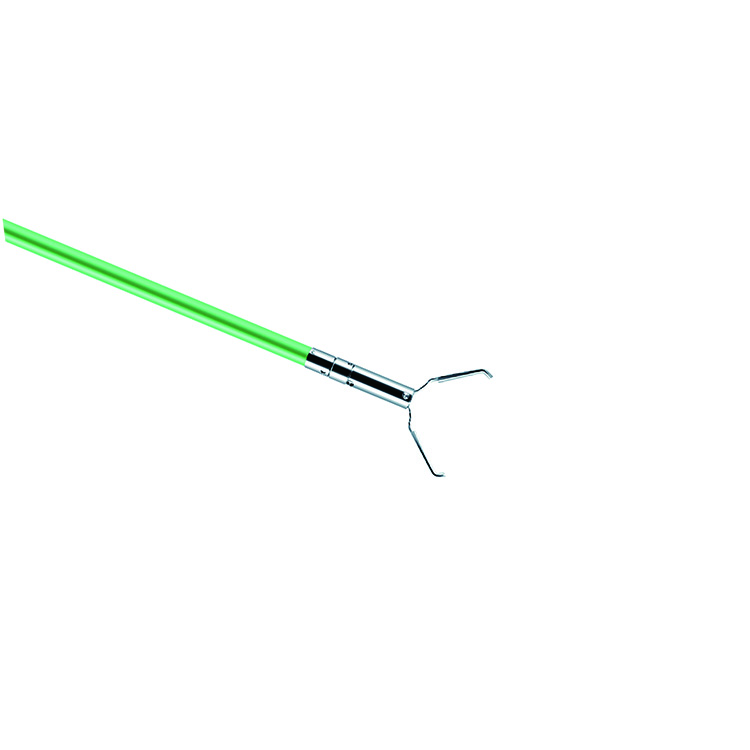
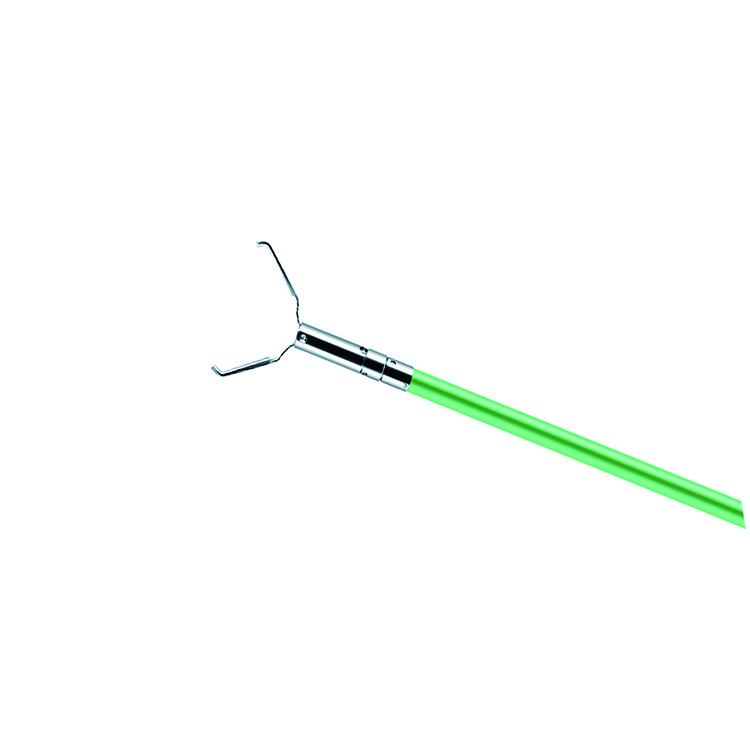
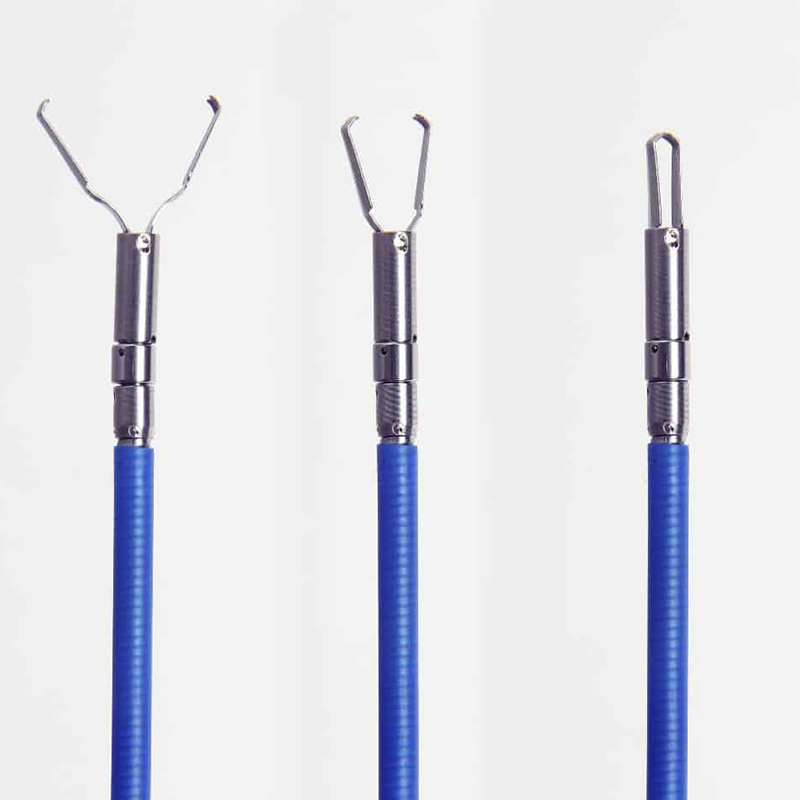
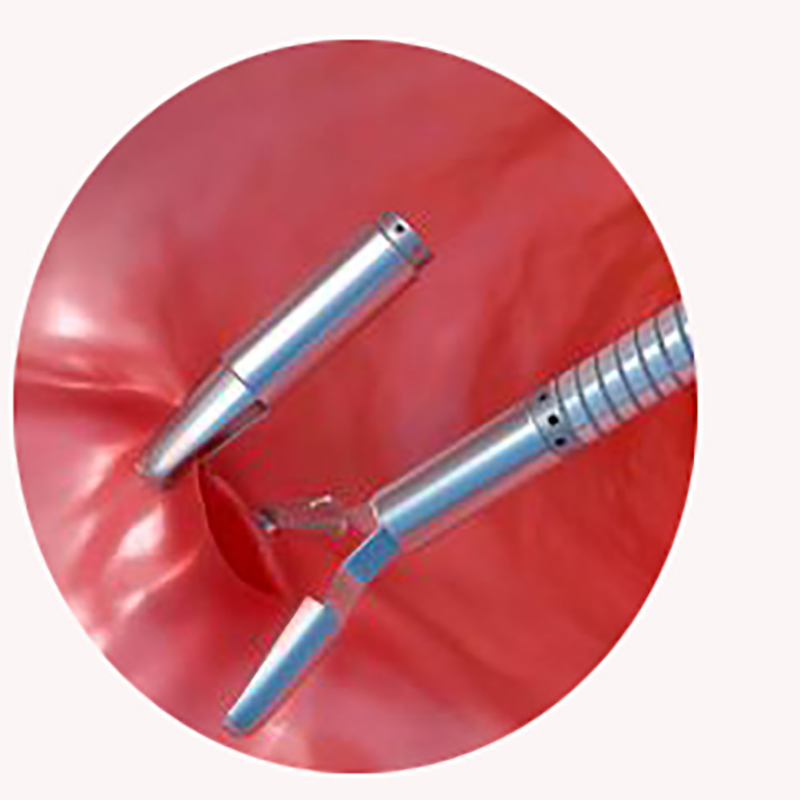
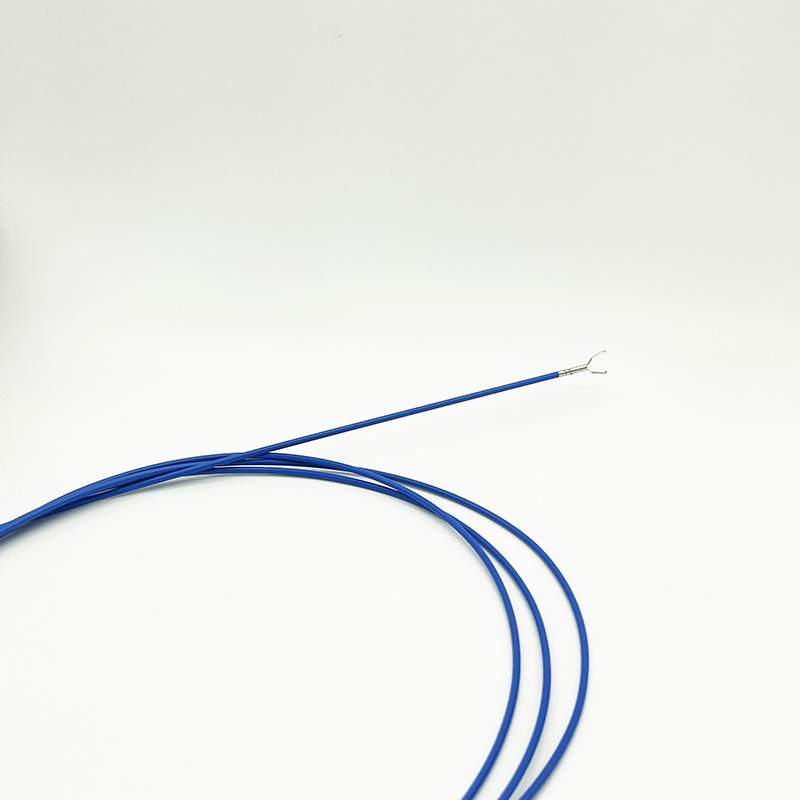
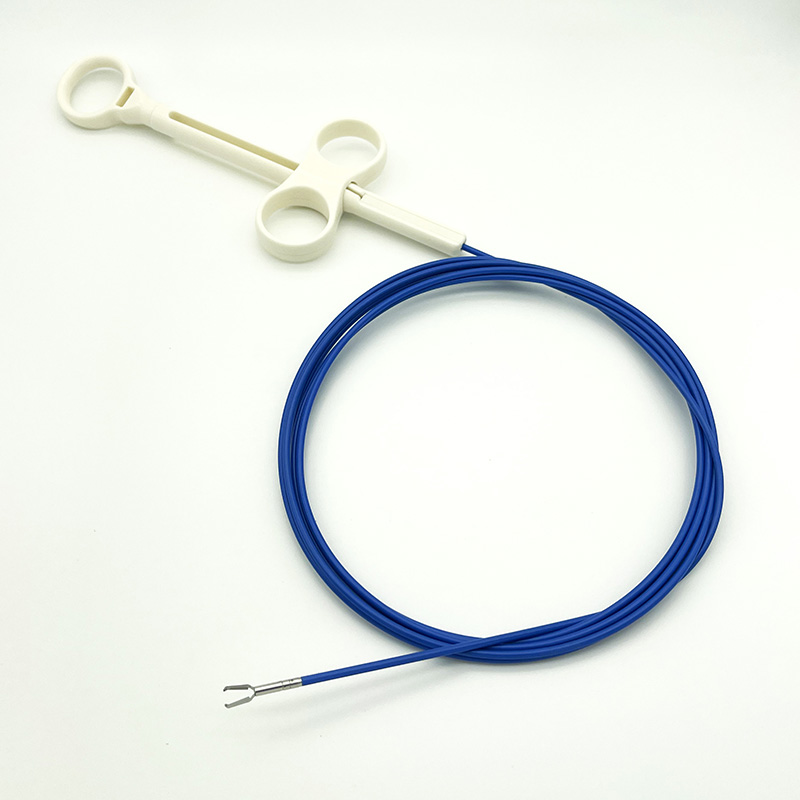
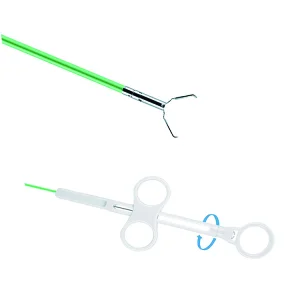
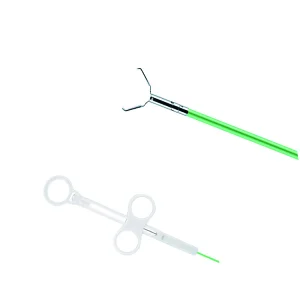
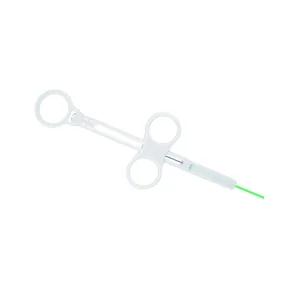
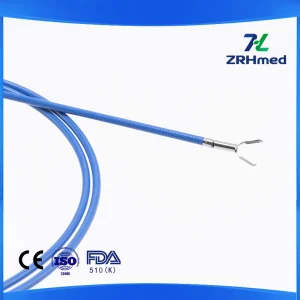
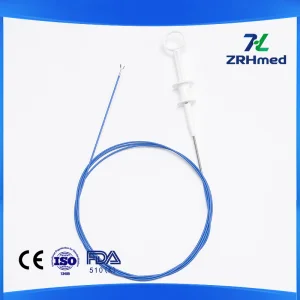
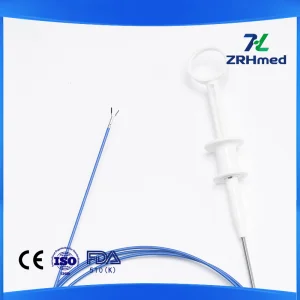
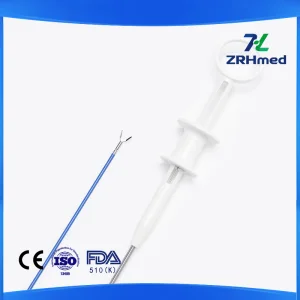
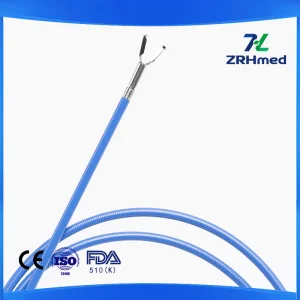
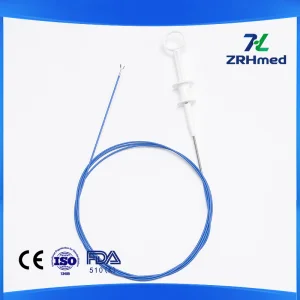
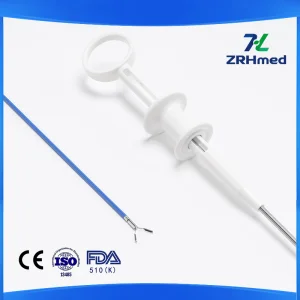
Our endoclip are used for clamping the mucosa tissue of gastrointestinal track under the guide of endoscope.
Technical Specifications
Model
Clip Opening Size (mm)
Working Length (mm)
Endoscopic Channel (mm)
Characteristics
ZRH-HCA-165-9-L
9
1650
≥2.8
Gastro
Uncoated
ZRH-HCA-165-12-L
12
1650
≥2.8
ZRH-HCA-165-15-L
15
1650
≥2.8
ZRH-HCA-235-9-L
9
2350
≥2.8
Colon
ZRH-HCA-235-12-L
12
2350
≥2.8
ZRH-HCA-235-15-L
15
2350
≥2.8
ZRH-HCA-165-9-S
9
1650
≥2.8
Gastro
Coated
ZRH-HCA-165-12-S
12
1650
≥2.8
ZRH-HCA-165-15-S
15
1650
≥2.8
ZRH-HCA-235-9-S
9
2350
≥2.8
Colon
ZRH-HCA-235-12-S
12
2350
≥2.8
ZRH-HCA-235-15-S
15
2350
≥2.8
Clinical Use
The Endoclip can be placed within the Gastro-intestinal (GI) tract for the purpose of hemostasis for:
Mucosal/sub-mucosal defects < 3 cm (Mucosa/sub-mucosa defects less than 3cm in diameter)
Bleeding ulcers
Arteries < 2 mm
Polyps < 1.5 cm in diameter (polyp site less than 1.5cm in diameter)
Diverticula in the colon (diverticulum in the colon)
Marking under endoscope
This clip can be used as a supplementary method for closure of GI tract luminal perforations < 20 mm or for endoscopic marking.
Key Features & Design
Atraumatic Tip
Prevents the endoscopy from damage.
Sensitive Release System
Easy to release clip provision.
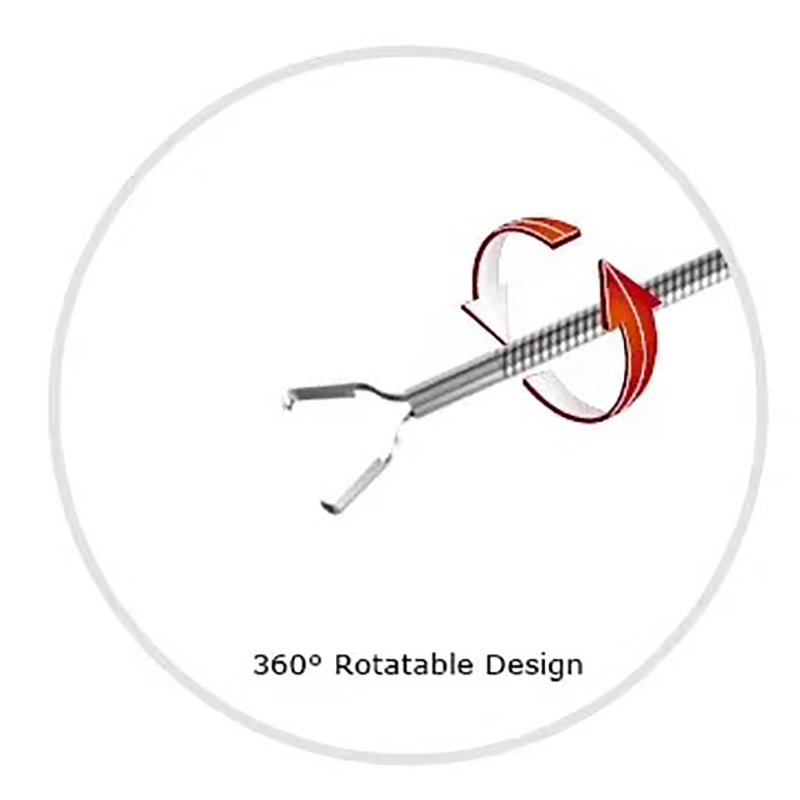
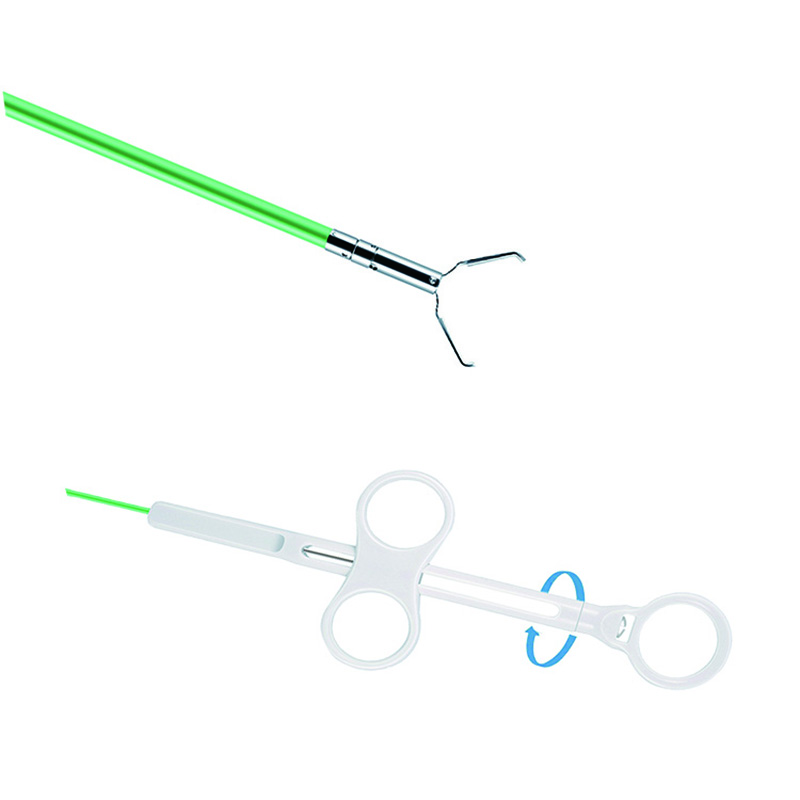
360° Rotatable Clip Design
Offer a precise placement.
Repeated Opening and Closing Clip
For an accurate positioning.
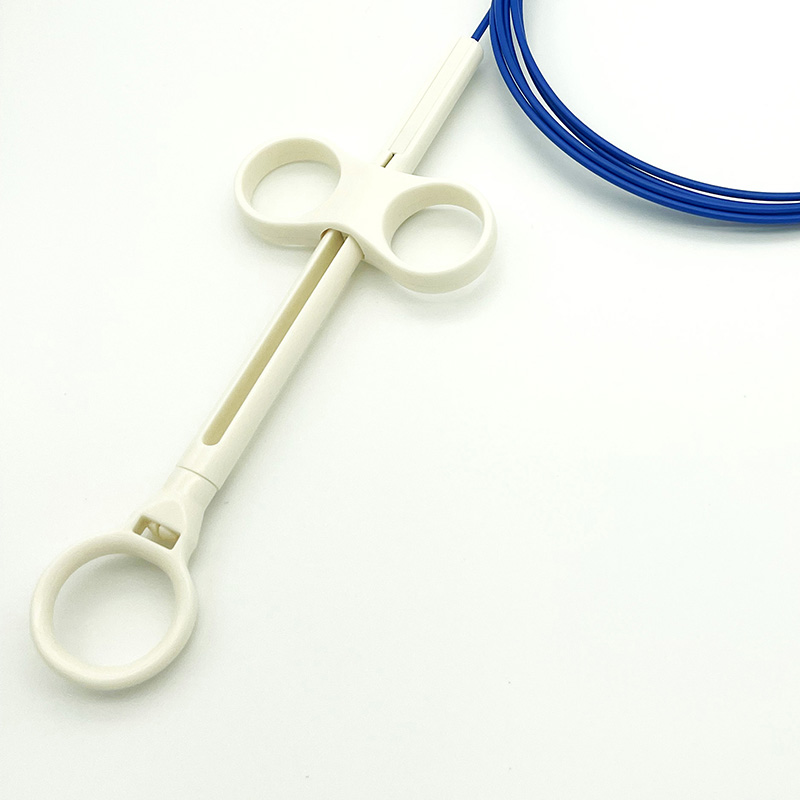
Ergonomically Shaped Handle
User Friendly.
Clinical Performance & Material Insights
Hachisu reported permanent hemostasis of upper gastrointestinal bleeding in 84.3% of 51 patient treated with hemoclips.
The average time that clips remain in place was reported as 9.4 days in the product insert and manual. It has been widely accepted that endoscopic clips detach within a 2-week period [3].
These devices are produced in two sizes, 8 mm or 12 mm in width when opened and 165 cm to 230 cm in length, allowing deployment through a colonoscope.
Many types of stainless steel alloys and phases associated with different crystalline structures are currently used to manufacture endoclips. Their magnetic properties vary considerably, ranging from non-magnetic (austenitic grade) to highly magnetic (ferritic or martensitic grade).
Frequently Asked Questions (FAQ)
What are the primary clinical indications for using endoclips?
Endoclips are used within the GI tract for hemostasis of bleeding ulcers, mucosal/sub-mucosal defects under 3 cm, bleeding arteries under 2 mm, polyp sites under 1.5 cm, and diverticula in the colon, as well as supplementary closure of luminal perforations under 20 mm and endoscopic marking.
How long do endoscopic clips typically stay attached?
The average time that clips remain in place is reported as 9.4 days according to product documentation. It is generally recognized that endoscopic clips detach spontaneously within a 2-week period.
Can the clip be repositioned before deployment?
Yes. The device is engineered with repeated opening and closing capabilities, along with a 360° rotatable clip design, allowing endoscopists to achieve accurate orientation and placement prior to release.
What endoscopic working channel size is required?
These endoclips require an endoscopic instrument channel of ≥ 2.8 mm, with working lengths of 1650 mm for gastroscopes and 2350 mm for colonoscopes.
What materials are used to construct endoclips?
Endoclips are produced using various stainless steel alloys with differing crystalline structures. Their magnetic properties vary from non-magnetic (austenitic grade) to highly magnetic (ferritic or martensitic grade).
How does the atraumatic tip benefit endoscopic procedures?
The atraumatic tip design is specifically engineered to prevent the endoscope channel and optics from damage during insertion, navigation, and deployment.