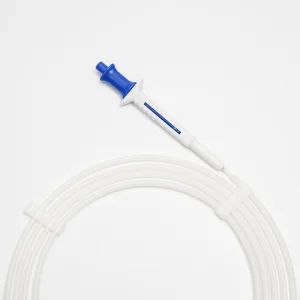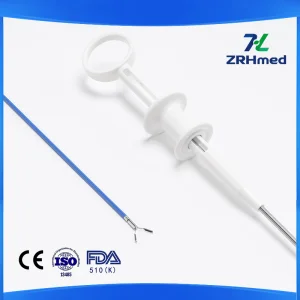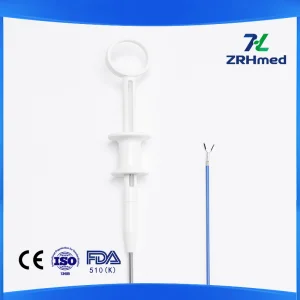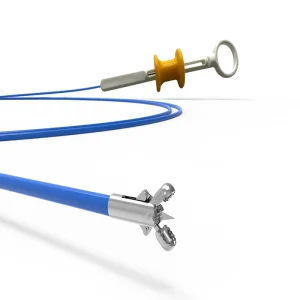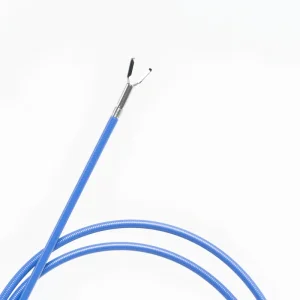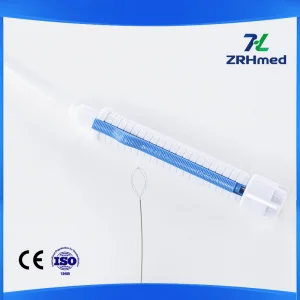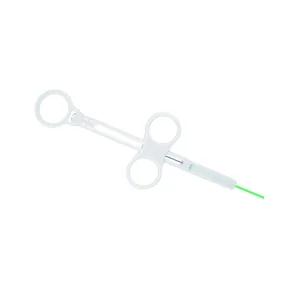
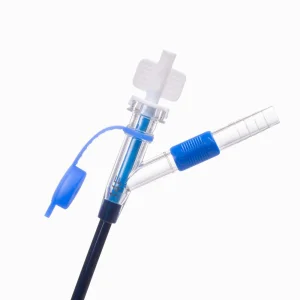
Direct factory production featuring CE-cleared negative-pressure suction UAS, laser-compatible stone baskets, and mucosal resection equipment.
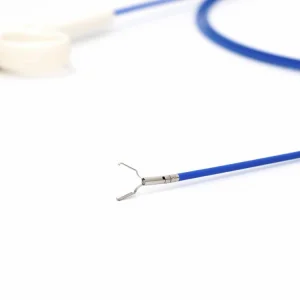
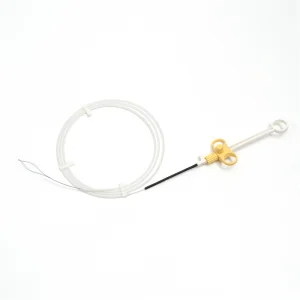
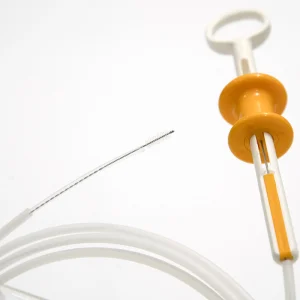
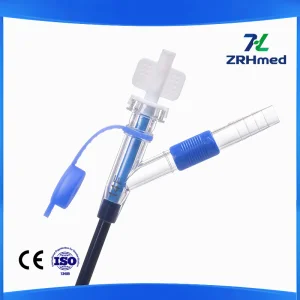
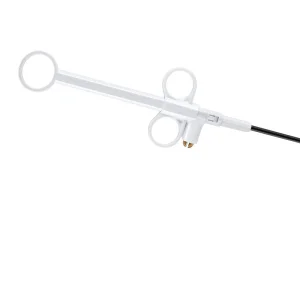
An exhaustive review of the technological transition from resterilized mechanical scopes to specialized single-use transurethral consumables.
The worldwide endourology market is traversing an unprecedented inflection point. Historically governed by multi-use, capital-intensive flexible ureteroscopes (fURS) and autoclaved auxiliary instruments, the sector is now migrating rapidly toward sterile single-use systems. Cross-contamination hazards, cumulative capital depreciation, escalating bio-burden sterilization expenses, and scope micro-fractures during laser lithotripsy have rendered the legacy reuse paradigm commercially precarious for modern hospital procurement networks.
Industrial demand across North America, the European Union, and the Asia-Pacific region demonstrates surging clinical adoption of single-use ureteral access sheaths (UAS), nitinol stone recovery baskets, guide wires, and anti-retropulsion devices. For hospital purchasing directors and healthcare systems, single-use endourology instruments convert variable repair overhead and decontamination down-time into predictable, fixed per-procedure costs while eliminating device availability bottlenecks in fast-turnaround surgical theaters.
Single-use assemblies eliminate endotoxin accumulation and persistent multidrug-resistant pathogens (such as Klebsiella pneumoniae and Pseudomonas aeruginosa) that survive enzymatic washing cycles within micro-channels.
Traditional optical fiber maintenance averages $300 to $650 per procedure due to laser deflagration and torque strain. Disposable consumables eliminate preventive maintenance agreements and autoclave cycle energy footprints.
Contract brand owners increasingly offshore high-tolerance polymer co-extrusion, wire braiding, and cleanroom packaging to specialized hubs capable of delivering validated EO cycle assurance under ISO 11135 criteria.
How next-generation intelligent aspiration, ultra-fine memory alloys, and miniaturized outer diameters are rewriting therapeutic guidelines.
Excess continuous fluid irrigation exceeding 30–40 mmHg triggers pyelovenous backflow, septic shock, and renal parenchyma extravasation. Modern disposable access sheaths now feature integrated negative-pressure suction ports that evacuate lithotripsy dust while continuously stabilizing intrarenal pressures below dangerous thresholds.
With High-Power Thulium Fiber Laser (TFL) and Holmium:YAG dusting modalities producing fine calcified particulate matter, standard manual stone baskets are increasingly replaced by real-time continuous vortex aspiration sheaths, cutting procedure durations by upwards of 40%.
Transurethral access profiles are shifting from 12/14 Fr down to 9.5/11.5 Fr and 10/12 Fr. This reduction minimizes ureteral ischemia and ischemic stricture formation without restricting irrigation fluid egress, requiring precision coil-reinforced catheter walls with ultra-thin profiles.
Strategic deployment modalities for tertiary university hospitals, regional day-surgery clinics, and ambulatory surgery centers (ASCs).
In North American and Western European ambulatory surgical centers, rapid patient turnover is non-negotiable. Disposable instruments eliminate reprocessing bottlenecks, allowing surgical teams to perform high-frequency retrogrades without maintaining multimillion-dollar internal decontamination units.
When an impacted ureteral calculus causes pyonephrosis, emergent decompression is paramount. Low-pressure disposable suction sheaths allow immediate decompression and clearing of purulent urine without forcing septic fluids into renal parenchyma capillaries.
Complex staghorn and caliceal diverticulum stones demand combinations of flexible ureteroscopy and Mini-PCNL. Multi-lumen disposable access sheaths provide continuous optical clarity, simultaneous pressure telemetry, and rapid extraction of fragments.
How our factory advances material science, intelligent pressure sensing, and robotic-compatible catheter mechanics.
Embedding medical-grade 304V/316L stainless steel wire braids inside multi-durometer Pebax layers for 1:1 torque transmission and zero accordion collapse during complex anatomical negotiation.
Calibrated negative-pressure release valves designed into the sheath handle, allowing instantaneous finger-actuated shifting between irrigation hold, mild aspiration, and high-flow debris evacuation.
Embedding distal tip micro-piezoelectric sensors into disposable sheaths to beam real-time pelvic cavity pressure readings directly to the laser console, triggering automatic shut-offs when thresholds exceed 30 mmHg.
Pioneering clean-burning, non-toxic bio-based resin polymers for non-patient contact handles and blister shells to reduce clinical biohazard incineration footprints without compromising ISO 10993 biocompatibility.
Overcoming regulatory barriers, tooling costs, and global compliance with a consolidated manufacturing partner.
Navigating changing EU MDR (Regulation 2017/745) requirements requires rigorous biological safety evaluations, accelerated shelf-life stability tests, and clinical performance reports. Jiangxi ZhuoRuiHua Medical supplies fully structured Technical Files and Quality Management System audits (ISO 13485:2016) so distribution partners can secure domestic product registrations with reduced regulatory friction.
From precision extrusion of PTFE lubricious inner liners to high-frequency welded suction connectors, we maintain comprehensive mold-design and CNC wire-sparking capabilities in-house. Brand owners can alter sheath lengths, basket opening diameters, braided configurations, and customized sterile blister packaging with competitive Minimum Order Quantities (MOQs).
Detailed answers covering specifications, customization parameters, quality verification, and hospital economic models.
Precision sclerotherapy injection systems, rotatable hemostasis clips, flexible biopsy devices, and suction extraction tools.