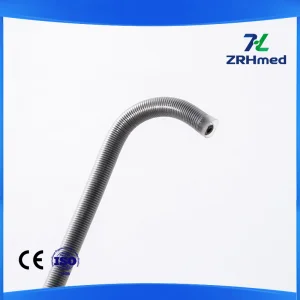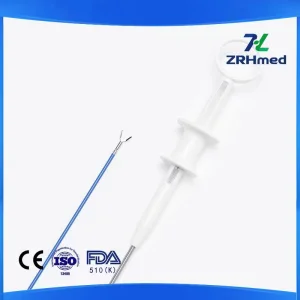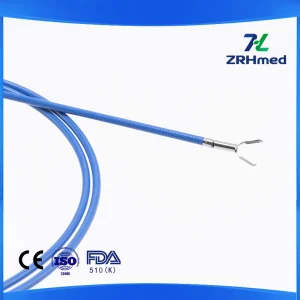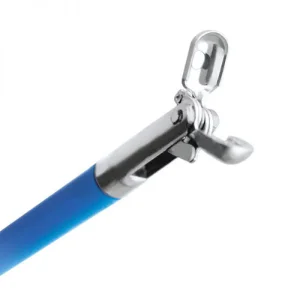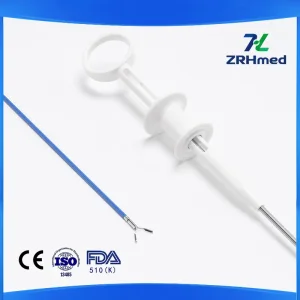
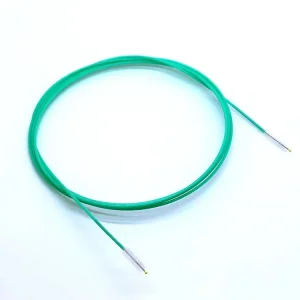
Precision-machined endoscopic instruments manufactured in class 100,000 cleanrooms, fully compliant with ISO 13485 standards and designed for seamless working channel integration.
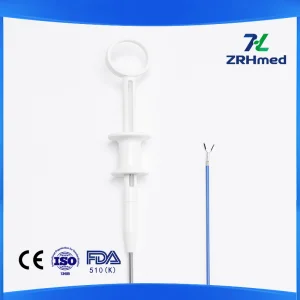
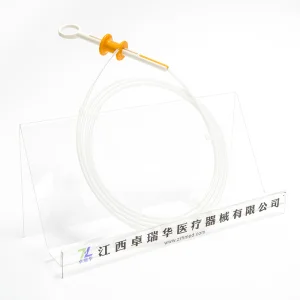
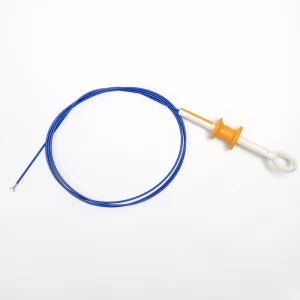
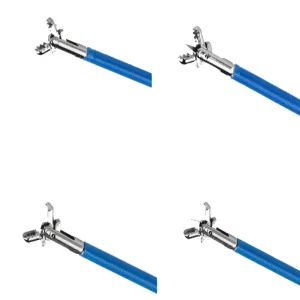
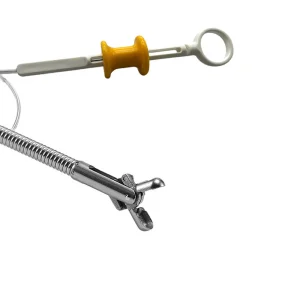
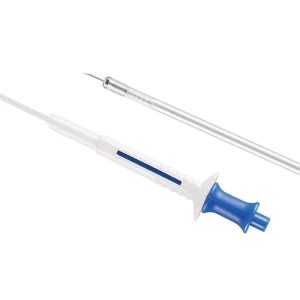
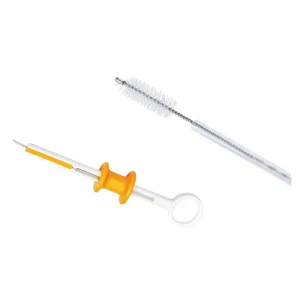
Hospital administrators, supply chain executives, and clinical department heads are navigating a profound structural pivot: transitioning from legacy capital equipment amortization toward optimized, high-throughput consumable operational expenditures.
Legacy endoscopy operations relied heavily on multi-use accessories requiring rigorous hospital reprocessing protocols. Recent cross-contamination data, combined with rising labor overhead and mechanical reprocessing fatigue, has inverted the TCO balance. Disposable, single-use endoscopic instruments eliminate the chemical sterilization footprint, reduce bio-burden liability, and provide transparent per-procedure unit economics that align directly with Diagnosis-Related Group (DRG) reimbursement structures.
International health bodies—including the US FDA, European Health Authorities, and the CDC—have issued escalating safety warnings regarding complex multi-lumen endoscopic devices, particularly duodenoscopes and reprocessing accessories. Hospital procurement teams now heavily favor single-use, sterile-packaged accessories (biopsy forceps, stone extractors, cytology brushes) to mitigate nosocomial infections and eliminate the risk of Carbapenem-Resistant Enterobacteriaceae (CRE) transmission.
Large-scale Group Purchasing Organizations (GPOs) and Integrated Delivery Networks (IDNs) in North America, Europe, and Latin America are moving aggressively away from fractured, vendor-heavy supply models. Sourcing leaders are standardizing entire endoscopic consumable catalogues through integrated OEM/ODM manufacturing partnerships that guarantee regulatory readiness, multi-year price stability, unified packaging designs, and robust buffer-stock guarantees.
The global dominance of specialized Chinese medical device clusters is founded on deep vertical integration, high-precision micro-machining capabilities, and sophisticated regulatory engineering teams capable of delivering rapid ODM iteration.
Unlike fragmented regional assemblers, leading Chinese endoscopy manufacturers control the entire metallurgical and polymer fabrication chain. From the precision micro-EDM (Electrical Discharge Machining) cutting of surgical-grade stainless steel (SUS304/SUS316L) cups to custom multi-lumen PTFE/FEP sheath extrusion and automated nitinol superelastic core wire grinding, vertical control eliminates sub-tier markups and slashes defect rates to below 0.05% across production runs of hundreds of thousands of units.
Transitioning from an initial surgeon concept or competitive benchmark to functional pilot tooling takes weeks rather than quarters. Utilizing in-house 5-axis CNC machining, micro-laser welding, and cleanroom injection tooling, Chinese facilities execute iterative rapid prototyping. We calibrate jaw biting force, tactile spring tension, tactile feedback resistance, and 360° bilateral rotational synchronicity with mathematical precision.
| Procurement Vector | Western Legacy Tier-1 OEMs | Fragmented Small-Scale Assemblers | Integrated Chinese ODM Factories |
|---|---|---|---|
| Direct Unit Manufacturing Cost | Extremely High (+150-300% markup due to corporate overhead) | Variable / Unpredictable (sensitive to small raw material spikes) | Optimized (-40% to -65% baseline savings) |
| Tooling & Prototyping Lead Time | 9 to 18 Months for minor dimensional iterations | 4 to 8 Months with frequent dimensional deviations | 4 to 6 Weeks with fully functional clinical samples |
| Cleanroom Standards & Sterilization | Validated ISO Class 7/8, centralized contract EO | Sub-contracted, inconsistent bioburden tracking | In-House Class 100,000 Cleanrooms & Validated ISO 11135 EO |
| Regulatory Dossier Support (MDR/FDA) | Proprietary; rarely released to distributor partners | Incomplete testing; lacks full biocompatibility datasets | Comprehensive Turnkey Technical Files & Clinical Data |
Endoscopic accessories cannot be procured as generic commodities. Each sub-discipline requires specific mechanical characteristics, torque transmission ratios, and anatomical adaptation.
High-volume screening and diagnostic colonoscopies demand biopsy forceps with micro-sharpened fenestrated stainless-steel cups that yield intact mucosal architecture without tissue crush artifacts. In therapeutic hemostasis, rotatable hemoclips must offer 360-degree bidirectional rotational torqueability and reliable multi-repositioning mechanisms to seal high-pressure arterial bleeders or post-polypectomy mucosal defects safely.
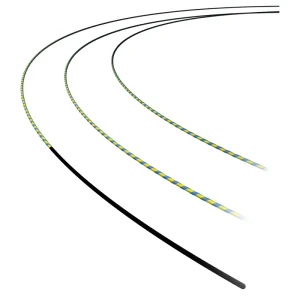
Endoscopic Retrograde Cholangiopancreatography represents one of the most demanding clinical environments. Sourcing teams prioritize hydrophilic-coated guidewires featuring nitinol superelastic cores with kink-resistant profiles to navigate tortuous cystic and intrahepatic ducts. Sphincterotomes require 3-lumen extrusion designs ensuring consistent cutting wire tension, fluoroscopic radio-opacity, and isolated contrast injection channels.
Bronchial anatomy imposes severe dimensional constraints. Accessories must transit through ultra-slim 1.8mm to 2.0mm working channels while preserving maximum scope flexion. Our pulmonary biopsy lines utilize coiled-wire sheaths with ultra-flexible distal segments and fenestrated oval cups designed to harvest diagnostic alveolar and endobronchial specimens without shearing surrounding bronchial walls.
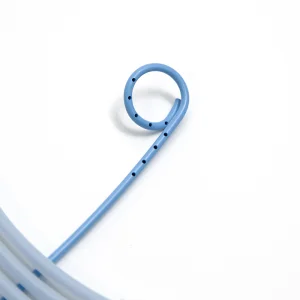
In ureteroscopic and laser stone fragmentation (URSL/RIRS), maintaining low intrarenal pelvic pressure is essential to prevent urosepsis. Advanced OEM negative-pressure ureteral access sheaths combine continuous aspiration ports with kink-resistant wire-reinforced lumens, allowing concurrent irrigation clearance, rapid micro-fragment retrieval, and crystal-clear visual field maintenance.
Our manufacturing lines operate under holistic ISO 13485:2016 quality systems. Every device is backed by lot-specific traceability, validated sterile barrier packaging (ISO 11607), biocompatibility datasets (ISO 10993), and tensile testing documentation to ensure clinical performance on the first pass, every time.
Over the next decade, clinical endoscopy will be transformed by robotic automation, multi-functional single-use platforms, and strict circular-economy sustainability standards.
As flexible endoluminal robotic systems move into tertiary clinical practice, accessories must evolve beyond simple manual handles. Next-generation ODM contracts focus on developing drive-cable architectures, high-load torque shafts, and ultra-miniaturized wrist mechanisms that interface seamlessly with motorized robotic master-slave consoles for precision endoscopic submucosal dissection (ESD).
With environmental impact audits growing stricter within European and North American hospital tenders, single-use consumable waste is under close scrutiny. Progressive ODM factories are actively engineering medical-grade bio-compatible resins, halogen-free shaft jacketings, and reduced-mass Tyvek blister packaging to cut hospital incinerator loads without compromising sterility or shelf-life integrity.
Operating room turnaround times dictate surgical profitability. Device makers are moving away from single-purpose tools toward hybrid therapeutic devices: combination injection needles with integrated high-frequency cutting snares, hemoclips with selective cautery capabilities, and stone-retrieval baskets equipped with fiber-optic laser channels. These multi-functional designs reduce instrument exchange cycles during complex procedures.
Experienced medical device importers and institutional tender committees assess prospective ODM partners across five essential operational competencies.
Factory compliance must extend far beyond a basic ISO certificate. Importers must verify comprehensive Technical Documentation folders aligned with EU MDR 2017/745 Annex II & III, including detailed Risk Management reports (ISO 14971), Usability Engineering data (IEC 62366), and chemical characterization/toxicological risk assessments under ISO 10993-18.
Industrial Ethylene Oxide (EO) sterilization must strictly adhere to ISO 11135:2014 standards with established Fractional Cycle parameter releases. Procurement leaders require verified gas aeration curves demonstrating that residual Ethylene Oxide (EO) and Ethylene Chlorohydrin (ECH) fall well below the limits specified in ISO 10993-7.
A true ODM partner offers comprehensive custom packaging engineering: customized Tyvek peel pouches, multilingual Instructions for Use (IFUs), GS1 DataMatrix barcodes with Unique Device Identification (UDI) compliance, and custom shelf carton configurations optimized for hospital ward distribution logistics.
Answers to common technical, regulatory, and supply chain questions from institutional buyers evaluating direct manufacturer agreements.
Our Tier-1 Chinese medical manufacturing ecosystem utilizes identical CNC micro-machining equipment, high-grade medical alloys (Japanese/German SUS304 and medical nitinol), and laser welding systems comparable to major Western OEMs. Tensile pull-force tolerances, jaw cutting sharpness, rotational torque response ratios, and channel insertion drag coefficients are matched to or exceed equivalent legacy brands, while eliminating high corporate marketing overhead.
We provide full tender documentation suites tailored to your market: ISO 13485:2016 quality management certificates, CE Declarations of Conformity under EU MDR, technical files including accelerated and real-time sterile shelf-life validation reports (ASTM F1980), biocompatibility test batteries (cytotoxicity, sensitization, systemic toxicity per ISO 10993), sterilization validation summaries (ISO 11135), and localized IFUs with complete risk assessment paperwork.
For standard catalog configurations featuring OEM client-branded Tyvek pouches, inner packaging, and outer cartons with specific UDI labeling, our starting MOQ is typically 500 to 1,000 units per SKU. For custom tool modifications—such as custom snare wire loop geometry, specialized sheath lengths, or unique handle designs—initial sample tool charges apply, offset against commercial batch delivery schedules.
All device sheaths and working lengths are engineered to strict outer diameter (OD) and length tolerances matched to standard international instrument channel dimensions (e.g., 2.0mm, 2.8mm, 3.2mm, and 3.7mm inner diameter channels). Each production batch undergoes 100% go/no-go gauge channel passage testing with torture-bend simulation fixtures to verify zero channel lining friction or interior sheath scuffing during active scope angulation.
Standard production cycles run between 3 to 5 weeks from order sign-off, which includes automated packaging, cleanroom batch assembly, and industrial Ethylene Oxide (EO) sterilization plus full degassing periods. For contracted partners, we maintain dedicated safety buffer stock of semi-finished components at our central facility, shortening urgent dispatch turnarounds to under 10 business days.
Therapeutic instruments designed for high-stakes clinical interventions—engineered for reliable rotational response, strong clamping force, and smooth channel navigation.