Medical Device Engineering • Class I / Is Reprocessing Consumables

OEM Channel Cleaning Brush For Scopes Manufacturer & Suppliers

Precision-Engineered Biomechanical Decontamination Solutions for Flexible & Rigid Endoscopes — Driving Zero-Tolerance Cross-Infection Integrity for Global Healthcare Networks

Direct-From-Factory Diagnostics & Therapeutics

Endoscopic Access & Sampling Instruments (Series A)

Integrate certified single-use devices engineered for high patient turnover, strict dimensional tolerance, and reliable channel delivery.
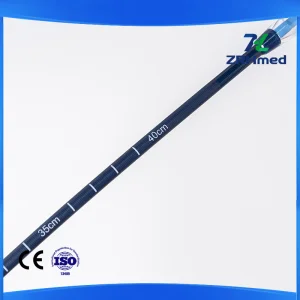
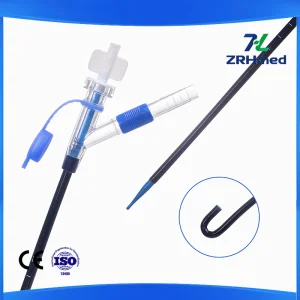
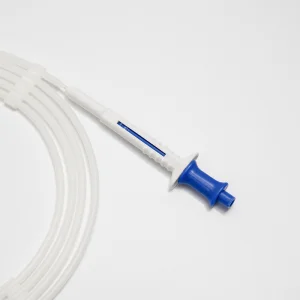
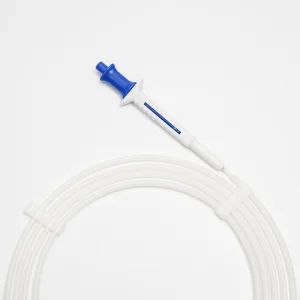
High-Quality Sterile Disposable Ureteral Access Sheath
High-Quality Sterile Disposable Ureteral Access Sheath with Negative Pressure Suction, Atraumatic Design Supplier, Suppliers
Product Specifications
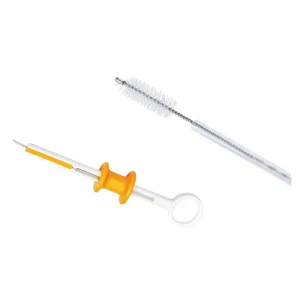
Disposable Endoscopic Cytology Brush for GI Tract
High-Quality Endoscopy Accessories Disposable Endoscopic Cytology Brush for Gastrointestinal Tract Factory, Factories
Product Specifications
Flexible Nitinol Stone Basket
ODM Renal Stone Removal: Flexible Nitinol Stone Basket Manufacturer, Factories
Product Specifications
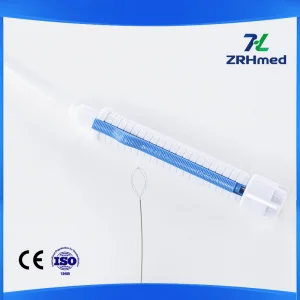
Single Use Ureteral Access Sheath
CE Certification Single Use Ureteral Access Sheath with Integrated Suction for Urology Supplier, Factory
Product Specifications
Disposable Suction Ureteral Access Sheath Negative Pressure
CE Certification CE Approved Disposable Suction Ureteral Access Sheath Negative Pressure System for RIRS & Kidney Stone Removal Manufacturer, Suppliers
Product Specifications
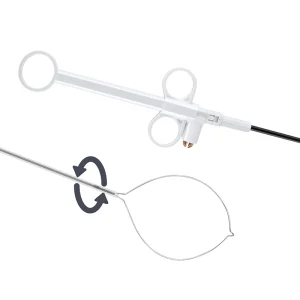
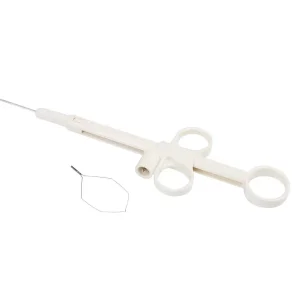
Disposable Endoscopic Resection Polypectomy Snare
High-Quality Disposable Endoscopic Resection Polypectomy Snare for Gastroenterology Manufacturers, Factory
Product Specifications
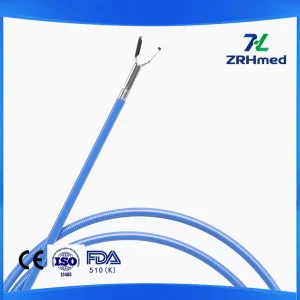
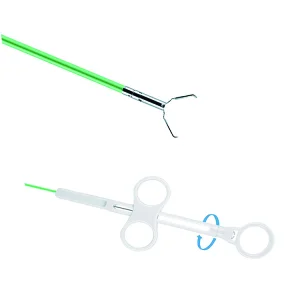
OEM MDR CE Approved Disposable Endoscopic Hemoclip
OEM MDR CE Approved Disposable Endoscopic Hemoclip for Endoscopy Manufacturers, Factories
Product Specifications
Disposable Endoscopic Hemoclip Rotatable Repositionable
High-Quality Disposable Endoscopic Hemoclip Rotatable Repositionable With MDR CE Supplier, Factory
Product Specifications
Technical White Paper • Reprocessing Physics

The Biomechanical Imperative: Endoscope Lumen Decontamination & Biofilm Eradication

Why chemical disinfection unconditionally fails without rigorous, calibrated mechanical shearing inside flexible endoscope working channels.

Extracellular Polymeric Substances (EPS)

Flexible endoscopes harbor complex internal architectures prone to microscopic bio-burden accumulation. Once patient blood, mucus, and bile consolidate into an Extracellular Polymeric Substance (EPS) biofilm matrix, high-level disinfectants (HLD) like ortho-phthalaldehyde (OPA) and glutaraldehyde cannot penetrate the lipid-protein shell. Only direct bristle-wall friction dislodges the sessile bacteria colonies.

  • Eliminates persistent pathogens including Carbapenem-Resistant Enterobacteriaceae (CRE).
  • Breaks surface tension without scratching inner PTFE/Teflon lining.
  • Compliant with ANSI/AAMI ST91:2021 standards for comprehensive manual debridement.

Hydrodynamic Shearing & Radial Pressure

Micro-engineered channel cleaning brushes exert calibrated outward radial pressure against narrow channel walls (ranging from 1.0mm in ureteroscopes to 4.2mm in therapeutic colonoscopes). The mechanical scrubbing creates high-shear fluid velocity along bristle contact vertices, sweeping away particulate micro-debris that Automated Endoscope Reprocessors (AERs) cannot extract through flushing alone.

  • Custom bristle modulus prevents collapse during reverse pull cycles.
  • Uniform radial density prevents non-contact dead zones within the channel.
  • Low drag force protects flexible angulation cables from internal tension strain.

Micro-Abrasion Prevention Mechanics

Internal lumen scratches represent the primary etiology of recurrent device contamination; abrasions smaller than 10 microns create micro-niches where bacteria flourish undetected. Our OEM scope cleaning brushes utilize precision spherical-tip distal ends and medical-grade Nylon 6/6 or PBT filament fibers with rounded tip profiles, guaranteeing zero lumen scratching over hundreds of strokes.

  • Laser-welded atraumatic distal polymer balls to prevent puncturing.
  • Thermally rounded bristle edges eliminate abrasive micro-gouging.
  • Tested over 10,000 continuous cycles against fluoropolymer inner liners.
Macro-Commercial Analysis & Hospital Purchasing

Global B2B Procurement Demands: Single-Use Transition & Regulatory Headwinds

Procurement directors and international distributors face tightening hospital guidelines, moving from legacy reusable tools to specialized single-use brush architectures.

The Shift to Single-Use Cleaning Systems

For decades, Central Sterile Services Departments (CSSD) and endoscopy suites relied on multi-use reusable brushes. However, extensive epidemiological studies conducted by the CDC and the World Gastroenterology Organisation (WGO) revealed that reusable brushes are themselves notorious vectors for cross-contamination. Retained organic matrix within reusable twisted metal shafts resists ultrasonic cleaning and autoclave cycles.

Consequently, tertiary care hospital conglomerates across North America (via GPOs such as Vizient and Premier) and Western Europe have mandated 100% sterile or clean single-use channel cleaning brushes. This paradigm shift creates sustained multi-million unit demand for cost-effective, high-reliability OEM manufacturers capable of producing high-volume disposable brushes with zero quality drift.

Regulatory Convergence: FDA, MDR, & AAMI ST91

Global regulatory oversight has intensified dramatically following high-profile outbreaks linked to duodenoscope elevator channels. In the United States, the FDA's 2022 safety communications strongly advocate for single-use cleaning accessories and validation data demonstrating 6-log bioburden reduction. Simultaneously, European Union Medical Device Regulation (EU MDR 2017/745) mandates rigorous clinical evaluation files and Class I/Is documentation even for manual cleaning consumables.

Jiangxi ZhuoRuiHua Medical Instrument Co., Ltd. addresses these regulatory hurdles directly by maintaining complete ISO 13485:2016 design controls, biocompatibility dossiers (ISO 10993), and EO sterilization validations (ISO 11135), providing our B2B distributors with frictionless registration in regional markets worldwide.

Engineering Blueprint & Material Science

Precision Architecture of Endoscopic Cleaning Consumables

A comprehensive technical breakdown of filament polymer selection, core shaft metallurgy, and distal tip geometries.

Sub-Assembly Material Engineering Technical Functionality OEM Performance Metrics
Bristle Filaments Medical-Grade Polyamide (Nylon 6/6) or PBT (Polybutylene Terephthalate) Delivers resilient flexural memory; recovers original radial diameter immediately upon exiting channel ports. Resistant to enzymatics and detergents. Diameter: 0.05mm – 0.15mm
Retention Force: > 15 N tensile pull test
Catheter / Shaft Fluorinated Ethylene Propylene (FEP), High-Density Polyethylene (HDPE), or Stainless Twisted Wire (AISI 304/316L) Provides 1:1 torque transmission and column strength to push through tortuous flexures without kinking or buckling. Smooth outer surface protects scope channel seals. Outer Diameter: 1.0mm – 2.5mm
Length: 1000mm – 2400mm ± 5mm
Distal Safety Ball Thermoset Polyurethane (PU) or Micro-Laser Welded Stainless Steel Spherical Bead Encapsulates sharp wire termination; guides brush through working-channel bi-directional elevators, preventing channel wall laceration. Spherical Dia: 1.2mm – 4.5mm
Pull-off Shear Resistance: > 35 N
Configuration Single-Ended, Double-Ended, Combination Valve-Lumen, or Pull-Through Caterpillar Style Addresses specific procedural pathways: gastrointestinal enteroscopy, bronchoscopy, cystoscopy, and ERCP duodenoscopes. Dual-head brush spacing: 30mm – 50mm
Bristle Head Length: 10mm – 35mm

High Columnar Pushability

Engineered with optimal torsional stiffness, our shafts advance smoothly through fully flexed 210-degree scope bends without coiling, avoiding friction lock inside long colonoscopes.

Automated Micro-Tufting Precision

Utilizing high-speed German and Japanese automated CNC tufting machines, every bristle cluster achieves micron-level density uniformity, eliminating bristle shedding during reprocessing cycles.

Chemical & Thermal Stability

Compatible with neutral and enzymatic cleaners, peracetic acid formulations, and elevated reprocessing temperatures without bristle softening or polymer degradation.

Total Cost of Ownership (TCO) & Risk Analysis

Disposable vs. Reusable Scope Cleaning Brushes: An Empirical Comparison

A quantifiable analysis demonstrating how disposable channel cleaning brushes drastically cut hospital legal exposure, repair costs, and indirect reprocessing labor.

100%
Cross-Contamination Protection
4.2 min
Saved per Reprocessing Cycle
-68%
Channel Scuffing & Maintenance
0 CFU
Residual Microbial Risk

The Hidden Costs of Reusable Cleaning Brushes

Hospitals often mistakenly assume reusable brushes save capital expenditures. When factoring in the labor required to manually wash, inspect under magnification, package, autoclave, and validate cleaning efficacy per brush between procedures, the cost per cycle exceeds single-use acquisition pricing.

  • Fatigue Failures: Metal fatigue causes wire breakage inside scope channels, necessitating emergency scope factory repairs costing $4,000 to $12,000 per event.
  • Cross-Infection Liability: Inadequate cleaning of a reusable brush can transmit multi-drug resistant pathogens across dozens of subsequent endoscopy patients.
  • Regulatory Non-Compliance: JCAHO and European health auditors regularly issue citations for frayed, uninspected reusable brushes stored in reprocessing suites.

The OEM Single-Use Strategic Advantage

Our mass-manufactured OEM single-use scope cleaning brushes offer fresh, factory-calibrated bristle tension and intact spherical atraumatic tips for every single patient procedure. This guarantees maximum particulate retrieval without operational guesswork.

  • Guaranteed Sterility/Cleanliness: Packaged in peelable medical pouches (sterile EO or bulk clean packaging) ready for immediate procedural deployment.
  • Custom Private-Label Branding: Designed with your brand's colors, box layouts, barcoding, and instructions for use (IFU) in over 15 languages.
  • Channel Longevity: Non-abrasive polymers preserve internal scope liners, reducing repair downtime by up to 68% over three operating quarters.
Tailored Engineering for Medical Brands

OEM / ODM Customization Architecture for Global Distributors

From micro-bronchoscopy channel cleaning brushes to heavy-duty industrial and surgical endoscopes, we configure each dimension to match your exact portfolio demands.

Shaft Length & Outer Diameter

Lengths calibrated from 1000mm (short bronchoscopes) up to 2400mm (enteroscopes and therapeutic colonoscopes). Sheath outer diameters tailored from 0.8mm to 2.2mm for frictionless channel navigation.

Bristle Outer Diameter (OD)

Configurable from 1.2mm for 1.0mm working channels, up to 6.5mm for wide-lumen suction channels and multi-port instrument hubs, maintaining a 20-30% radial interference fit for complete contact.

Single vs Double-Ended Heads

Single-head with ergonomic pull ring, dual-head brush arrays for sequential two-stage debridement in one pass, or combined valve/channel dual-purpose configurations.

Custom Packaging & Sterility

Medical-grade Tyvek/PET pouch packaging with custom multilingual printing, sterilization indicator strips, customized carton master packing, and barcode traceability.

Verified Reliability & Cleanroom Manufacturing

Quality Systems: Cleanroom Standards & Continuous Inspection

Manufactured inside Class 100,000 (ISO Class 8) cleanrooms with automated optical quality control at every phase.

Automated Vision Inspection

Each bristle head passes high-resolution automated optical inspection (AOI) to verify bristle count, tuft symmetry, and distal ball smoothness, eliminating manual inspection blind spots.

Destructive Tensile Testing

Batch sampling subjected to destructive tensile pulling machines. Distal safety balls must sustain loads greater than 35 Newtons before separation, exceeding international surgical device mandates.

Bioburden & Endotoxin Monitoring

Routine LAL endotoxin testing and biological indicator validation ensure zero microbial residues on non-sterile items, and total SAL 10-6 sterility validation for our EO-sterilized product lines.

Future Horizons & Technology Roadmap

Next-Generation Scope Decontamination: Intelligent Bristle Architectures

Exploring the convergence of automated cleaning, enzymatic coatings, and smart reprocessing tracking for endoscope safety.

Enzyme-Eluting Bristle Filaments

Current R&D focuses on incorporating stabilized multi-enzyme complexes directly into the polyamide bristle matrix. Upon contact with water inside the channel, the bristles release localized lipases and proteases to break down mucus matrices during the initial stroke.

Colorimetric Cleanliness Indication

Pioneering bristle chemistries that undergo a visible chromogenic shift when reacting with residual blood or protein, providing instant visual feedback to reprocessing technicians that additional brushing passes are required.

RFID / 2D DataMatrix Unit Tracking

Integrating micro DataMatrix codes onto brush pull rings to facilitate automated scanning within hospital Electronic Health Record (EHR) systems, guaranteeing complete traceability from scope serial number to reprocessing batch.

Clinical Biopsy, Hemostasis & Resection Systems

Endoscopic Surgical & Diagnostic Portfolio (Series B)

Complementary working-channel devices manufactured with the same cleanroom design control and tight engineering tolerances.
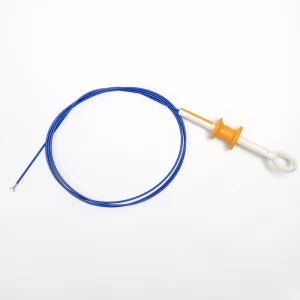

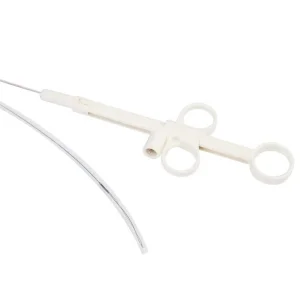
Disposable 360 Degree Rotatable Biopsy Forceps
High-Quality Disposable 360 Degree Rotatable Biopsy Forceps Broncospy Supplier, Suppliers
Product Specifications
OEM Rotatable Disposable Endoscopic Hemoclip
OEM Rotatable Disposable Endoscopic Hemoclip Manufacturers, Supplier
Product Specifications
ODM Endoscope Accessories Rotatable Hemostasis Clips
ODM Endoscope Accessories Delivery Systems Rotatable Hemostasis Clips Endoclip Factory, Factories
Product Specifications
Single Endoscopy Polypectomy Snare
ODM Single Endoscopy Polypectomy Snare for Removal of Polyps Manufacturers, Factory
Product Specifications
CE Certified Endoscopic Consumables Injectors Needle
CE Certification Endoscopic Consumables Injectors Endoscopic Needle for Single Use Manufacturers, Factories
Product Specifications
OEM EMR ESD Polypectomy Cold Snare
OEM EMR EDS Instrument Polypectomy Cold Snare for Single Use Suppliers, Factory
Product Specifications
OEM ESD Sclerotherapy Needle for Esophageal Treatment
OEM ESD Accessories Endoscopic Sclerotherapy Needle for Esophageal Treatment Supplier, Factories
Product Specifications
ODM EMR Endoscopic Needle for Bronchoscope Gastroscope
ODM EMR Instruments Endoscopic Needle for Bronchoscope Gastroscope and Enteroscope Manufacturers, Factories
Product Specifications
Technical & Commercial Inquiries

Frequently Asked Questions for Sourcing & Engineering Directors

Expert answers addressing quality control, channel compatibility, minimum order volumes, and regulatory submission datasets.

How do you guarantee that bristles will not detach inside a working channel during vigorous manual cleaning?
Bristle retention is our primary safety engineering priority. We utilize automated twisted-core or crimped stainless steel anchors where bristles are mechanically interlocked between twin 304/316L medical stainless steel wires under precise micro-torque control. Every production batch is tested with calibrated digital pull-force dynamometers requiring a minimum tensile resistance exceeding 15 Newtons, far surpassing typical manual scrubbing friction.
What bristle diameter ratio is ideal for 2.8mm colonoscope channels versus 2.0mm bronchoscope channels?
Empirical reprocessing science demonstrates that bristle outer diameter (OD) must exceed the nominal internal lumen diameter by 20% to 35% to generate adequate radial force against channel walls without folding backward. For a standard 2.8mm GI channel, our brush OD is calibrated to 3.5mm ± 0.2mm. For fine 2.0mm bronchoscope channels, we provide a 2.6mm brush head attached to a flexible 1.2mm HDPE sheath, optimizing both shear and insertion ease.
Are your OEM channel cleaning brushes compatible with all automated and manual enzymatic chemistries?
Yes. Our brushes utilize virgin medical-grade Polyamide 6/6 and non-leaching Polypropylene/FEP sheaths that undergo extensive chemical resistance validation. They exhibit zero embrittlement, swelling, or polymer breakdown when exposed to triple-enzymatic detergents, neutral detergents, peracetic acid, glutaraldehyde, or ortho-phthalaldehyde (OPA) within recommended temperature windows (20°C to 55°C).
What regulatory documentation and audit support do you provide for local health ministry registrations?
We provide full technical dossiers (STED format), ISO 13485:2016 factory certificates, ISO 11135 EO sterilization residual reports, ISO 10993 cytotoxicity, sensitization, and irritation test reports, biocompatibility documentation, and Letter of Authorization (LOA) credentials. Our in-house regulatory affairs team works directly with your compliance officers to resolve local registration queries promptly.
What are the minimum order quantities (MOQ) and production lead times for custom private-label branding?
Standard OEM production runs for customized packaging (private-labeled inner pouches and outer clinic cartons) typically start at an MOQ of 5,000 units per SKU. Standard tooling items can ship in 3 to 4 weeks, while specialized rapid-turn evaluation runs or custom-engineered bristle geometries require 5 to 6 weeks including tooling setup and sterilization validation cycles.
How do your dual-ended combo brushes optimize reprocessing workflow efficiency in busy endoscopy suites?
Our dual-ended designs feature a lumen brush head on one end and a larger, short-contoured valve/cylinder brush on the opposite end, or two spaced sequential bristle heads on a single shaft. Reprocessing technicians can execute comprehensive three-stroke lumen sweeps followed immediately by valve port and cylinder hub cleaning without switching tools, reducing manual handling time by approximately 45 seconds per scope.

Elevate Your Endoscopy Portfolio With a Direct OEM Manufacturer

Request engineering sample packs, technical white paper documentation, and wholesale contract pricing customized to your clinical distribution network.