
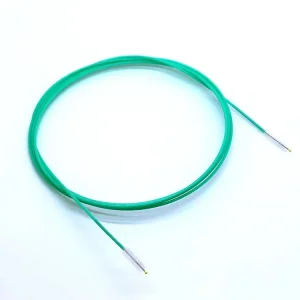
Bilateral Endoscope Channel Cleaning Brush (Manila Standard)
Features: Dual-ended high-density nylon bristles, kink-resistant polymer core sheath, zero channel scratching, designed for 2.8mm - 4.2mm working channels.
Engineered to withstand high-volume endoscopic case loads in top tertiary health centers across Quezon City, Pasig, Manila City, and Taguig.
A rigorous examination of healthcare modernization, tender dynamics, and single-use device conversion across the National Capital Region (NCR).
The healthcare infrastructure of the Republic of the Philippines is undergoing a historic structural transformation. Driven by the full operationalization of the Universal Health Care (UHC) Act (Republic Act No. 11223) and substantial capital allocations under the Department of Health (DOH) Health Facilities Enhancement Program (HFEP), medical centers throughout Metro Manila are dramatically expanding their interventional endoscopy and endourological service lines.
Prestigious public apex hospitals—such as the Philippine General Hospital (PGH) in Ermita, the National Kidney and Transplant Institute (NKTI) along East Avenue, and East Avenue Medical Center (EAMC)—alongside premier private quaternary healthcare consortiums including St. Luke’s Medical Center (Global City and Quezon City), The Medical City (Ortigas), and Makati Medical Center, are experiencing unprecedented procedural throughput in gastrointestinal endoscopy, Endoscopic Retrograde Cholangiopancreatography (ERCP), and Retrograde Intrarenal Surgery (RIRS).
Historically, Philippine medical institutions balanced budgetary constraints by relying heavily on manual chemical high-level disinfection (HLD) of multi-use endoscopic accessories. However, rising cross-contamination risks associated with multi-drug resistant organisms (MDROs)—such as Carbapenem-Resistant Enterobacteriaceae (CRE) lodged within complex biopsied lumina—have catalyzed a mandatory shift toward 100% single-use, gamma- or ethylene oxide (EtO) sterilized diagnostic and therapeutic disposables.
Hospitals across Metro Manila operate within a distinct dual-tier procurement paradigm:
Engineering specialized instrument architecture for prevalent epidemiological conditions in the Philippine archipelago.
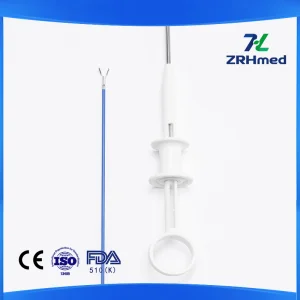
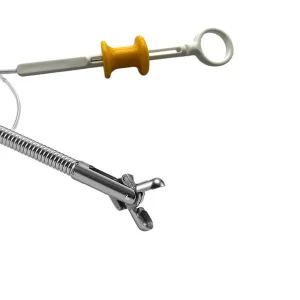
Due to the high prevalence of non-steroidal anti-inflammatory drug (NSAID) usage and Helicobacter pylori endemicity, Manila emergency admissions frequently manage Forrest Class Ia/Ib and IIa bleeders. Our Flexible Rotatable Hemoclips feature responsive 1:1 torque transmission, allowing GI endoscopists at Manila Doctors Hospital or St. Luke’s to quickly lock arterial bleeders even in retroflexed duodenal bulb positions.
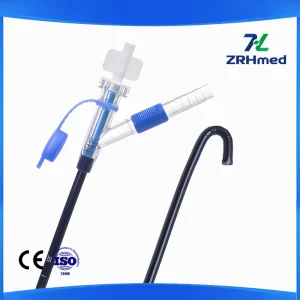
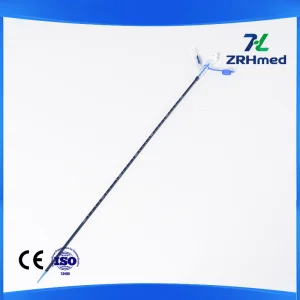
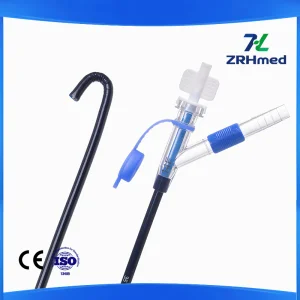
The Philippines belongs to the endemic Afro-Asian stone belt, experiencing elevated incidences of renal calculus disease caused by climate humidity and dietary sodium factors. In institutions like NKTI and Cardinal Santos Medical Center, our Vacuum-Assisted Ureteral Access Sheaths (UAS) deliver dynamic low-pressure suction, eliminating dangerous intrarenal pressure spikes during high-power Holmium or Thulium fiber laser dusting.
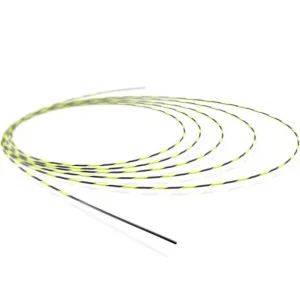
Choledocholithiasis and obstructive jaundice management represent critical daily ERCP workloads at PGH and UST Hospital. Our PTFE-Coated Hydrophilic Guidewires and multi-lumen sphincterotomes enable selective biliary access across swollen ampullas of Vater. The radiopaque distal tip yields unmistakable spatial clarity under C-arm fluoroscopy while resisting bile salt shearing forces.
Ensuring frictionless Certificate of Medical Device Registration (CMDR) and Notification (CMDN) approval for Manila importers.
For Philippine medical device distributors, navigating the regulatory transition enacted by Philippine FDA Circular No. 2021-0017 has become the primary barrier to market continuity. The PFDA now mandates compliance with the ASEAN Common Submission Dossier Template (CSDT). Manufacturers unable to present audited European CE Declarations of Conformity, full ISO 13485:2016 management certifications, and comprehensive ISO 10993 biological evaluation dossiers face extensive deficiency delays or outright tender disqualification.
| Regulatory Parameter | European CE MDR (EU 2017/745) | PFDA (Manila / ASEAN AMDD) | ZhuoRuiHua Factory Compliance Guarantee |
|---|---|---|---|
| Device Classification | Class I Sterile, Class IIa / IIb | Class B & Class C Medical Devices | Fully Mapped Documented under Annex VIII rules. |
| Sterilization Validation | EN ISO 11135 (Ethylene Oxide) | Validated EO / Gamma Dossiers Required | ISO 11135 Verified Micro-residual analysis < 0.1 μg/g. |
| Biocompatibility Profile | ISO 10993-1, 5, 10, 11 Suite | Mandatory Pre-Clinical Biotoxicity Data | Complete Suite Cytotoxicity, systemic toxicity, sensitization certified. |
| Packaging Integrity | ISO 11607-1/2 Sterile Barrier Integrity | Accelerated & Real-Time Shelf-Life Test | Medical Grade Tyvek® 3-Year to 5-Year proven shelf-life stability. |
| Traceability Framework | Unique Device Identifier (UDI) | Batch/Lot Numbering & CoA Mandate | Full UDI Barcoding Direct scan-to-carton electronic lot history records. |
By partnering with ZhuoRuiHua Medical, Manila distributors bypass downstream regulatory liabilities. Our factory provides turnkey dossier modules—including Device Master Records (DMR), Clinical Evaluation Reports (CER), and Sterilization Audit Reports—engineered to allow our Manila partners to secure PFDA CMDR certificates in abbreviated administrative timeframes.
How cleanroom vertical integration eliminates lead-time friction and preserves margin for Philippine healthcare providers.
Geopolitical uncertainties and post-pandemic maritime vulnerabilities have demonstrated that extended supply chains from Europe or North America pose existential operational hazards for Philippine hospitals. Air freight charges rapidly erode institutional margins, while sea freight from Hamburg or Rotterdam requires 45 to 60 days of ocean transit, compounded by potential transshipment congestion.
In sharp contrast, our ultra-modern manufacturing complex located in Jiangxi, China, operates in direct geographical synergy with Manila’s port ecosystem. Finished consignments dispatched from our automated warehousing hubs reach Shenzhen, Guangzhou, or Xiamen loading terminals within 24 hours. From there, direct maritime lanes into the Port of Manila (Manila South Harbor and Manila International Container Terminal - MICT) require merely 3 to 5 days of transit time.
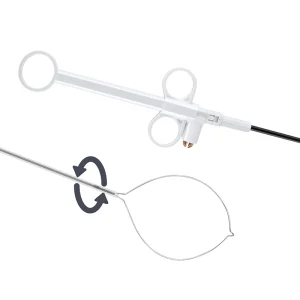
For urgent tender surges or rapid stockouts in vital instruments like hemoclips or extraction snares, daily express air freight from nearby international hubs lands cargo at Ninoy Aquino International Airport (NAIA) within 24 to 48 hours, providing Manila procurement directors with unmatched operational agility.
Unlike sourcing trading companies, ZhuoRuiHua maintains total ownership over every manufacturing stage:
Anticipating the technological horizon to empower distributor competitiveness across Southeast Asia.
Sterile, single-use, CE-certified endoscopy and urology instruments engineered for precision intervention.
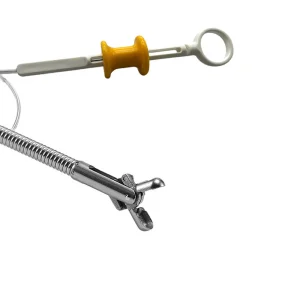
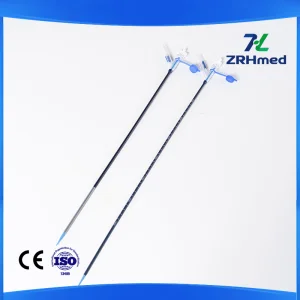
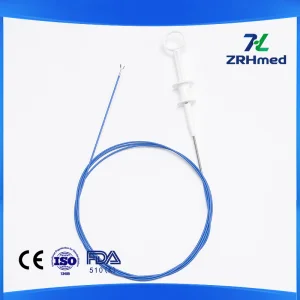
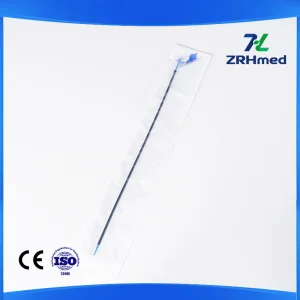
Essential guidance for healthcare procurement committees, biomedical engineers, and medical supply importers in the Philippines.
Bypass trading markups. Access dependable Class 100,000 cleanroom production, certified CE MDR quality engineering, and rapid 3-to-5 day maritime logistics into Manila South Harbor.