1 / 5
| Model No. | Tip Type | Max. O.D. | Working Length ± 50 (mm) | |
|---|---|---|---|---|
| ± 0.004 (inch) | ± 0.1 mm | |||
| ZRH-XBM-W-2526 | Angle | 0.025 | 0.63 | 2600 |
| ZRH-XBM-W-2545 | Angle | 0.025 | 0.63 | 4500 |
| ZRH-XBM-Z-2526 | Straight | 0.025 | 0.63 | 2600 |
| ZRH-XBM-W-2545 | Straight | 0.025 | 0.63 | 4500 |
| ZRH-XBM-W-3526 | Angle | 0.035 | 0.89 | 2600 |
| ZRH-XBM-W-3545 | Angle | 0.035 | 0.89 | 4500 |
| ZRH-XBM-Z-3526 | Straight | 0.035 | 0.89 | 2600 |
| ZRH-XBM-Z-3545 | Straight | 0.035 | 0.89 | 4500 |
| ZRH-XBM-W-2526 | Angle | 0.025 | 0.63 | 2600 |
| ZRH-XBM-W-2545 | Angle | 0.025 | 0.63 | 4500 |
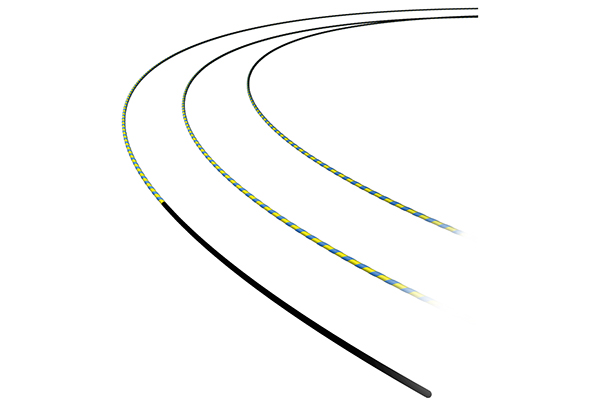
Such as the blue and white coating.
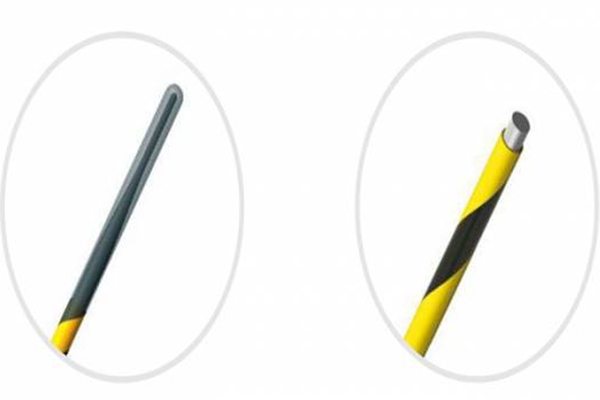
Easier to pass through the working channel, without any stimulation for tissue.
Easier to track the guide wire and obvious under X-Ray
Offering an excellent twisting and pushing force.
Providing more control options for doctors.
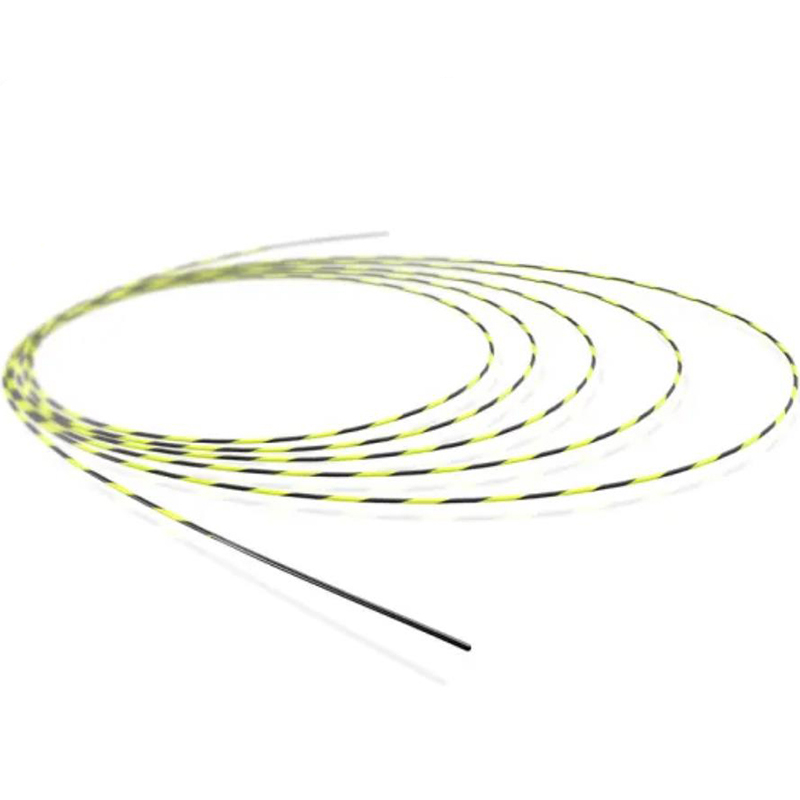
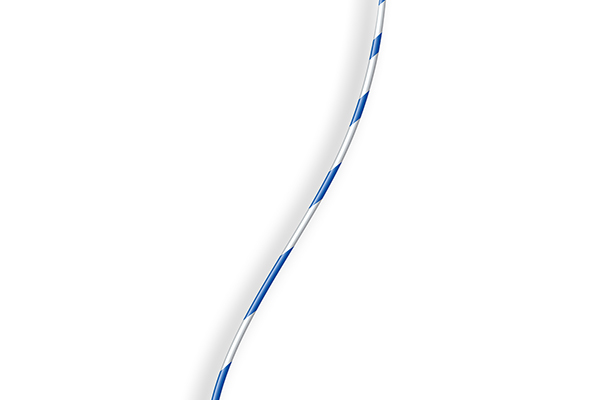
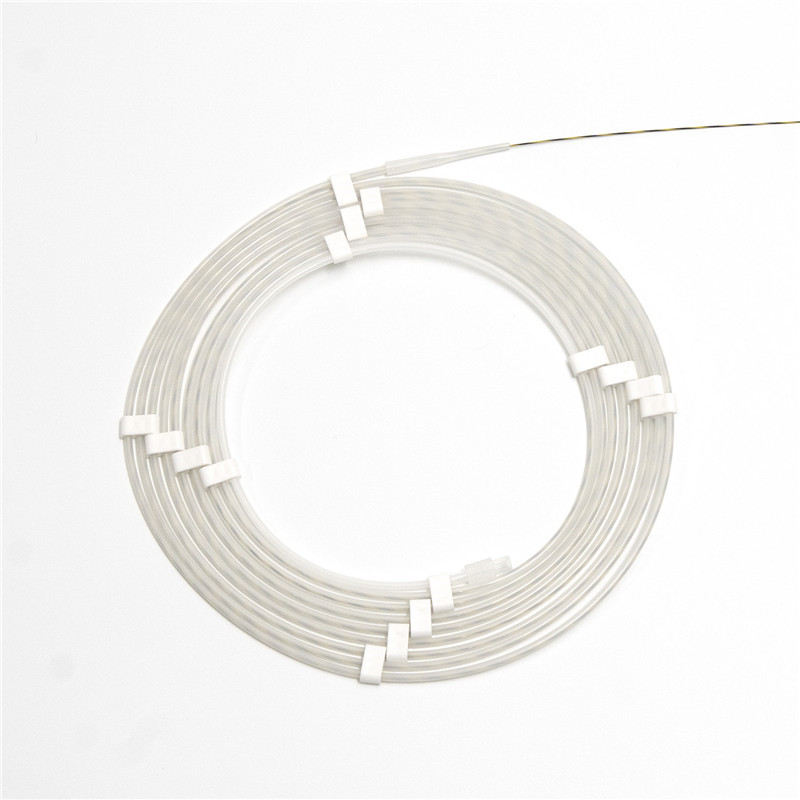
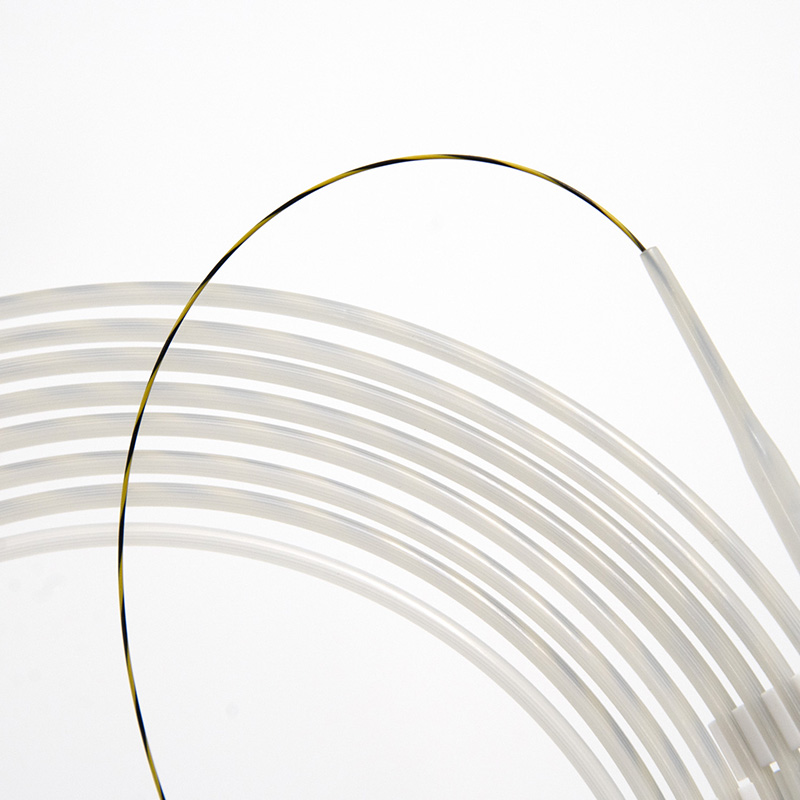
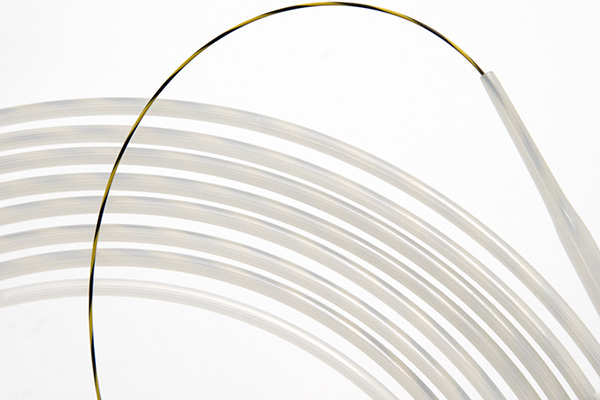
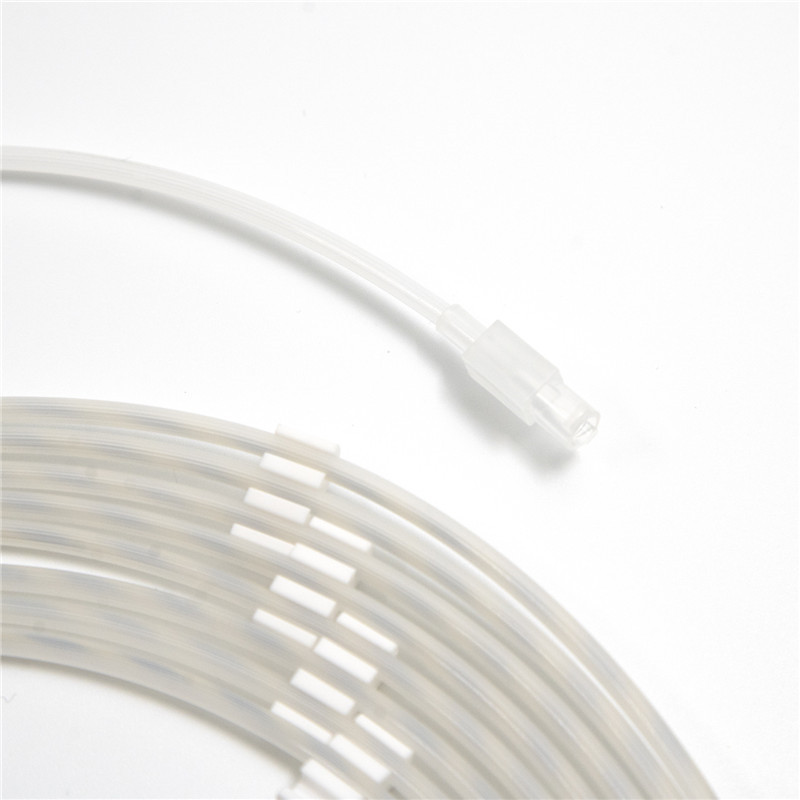
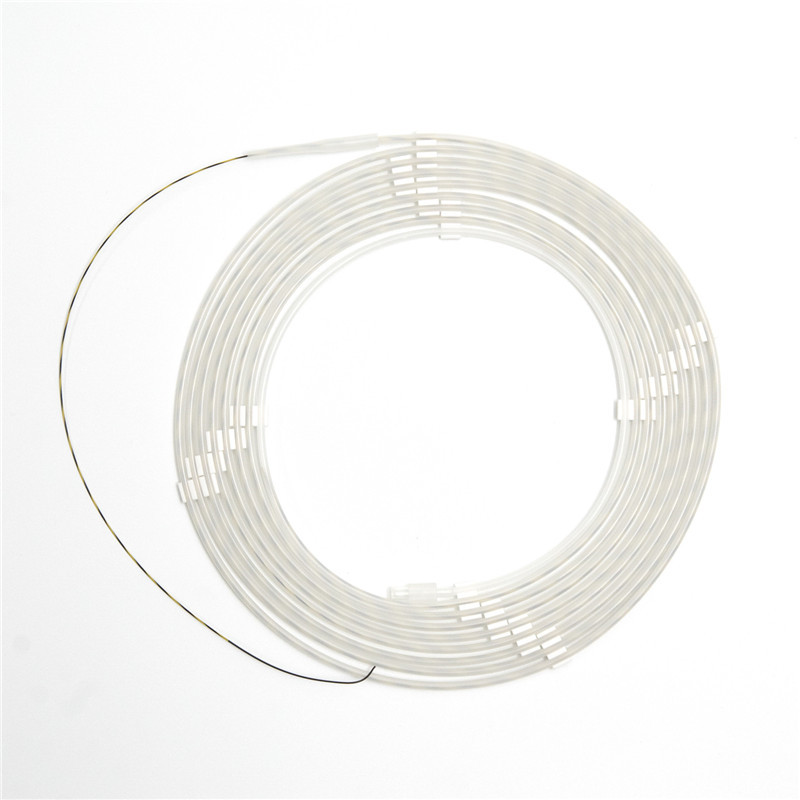
It is used to assist in the insertion of endoscopes or endotherapy devices (such as stent-placement devices, electrosurgical devices, or catheters) during diagnostic and therapeutic endoscopy, safely navigating strictures and ducts.
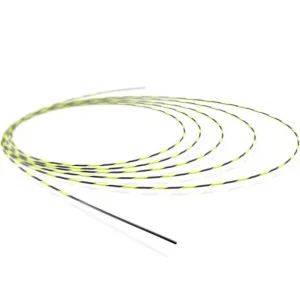
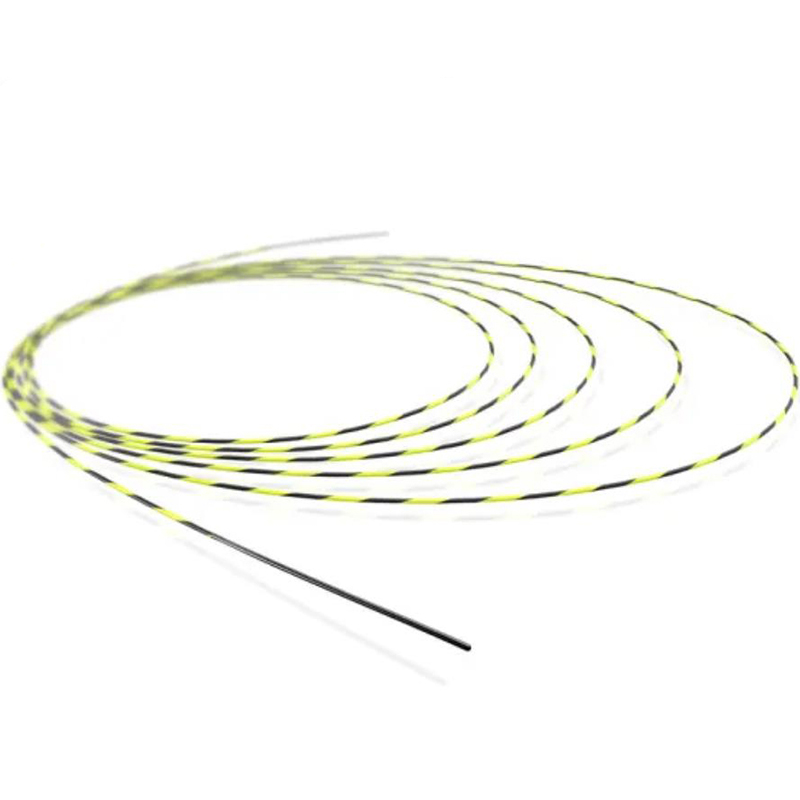
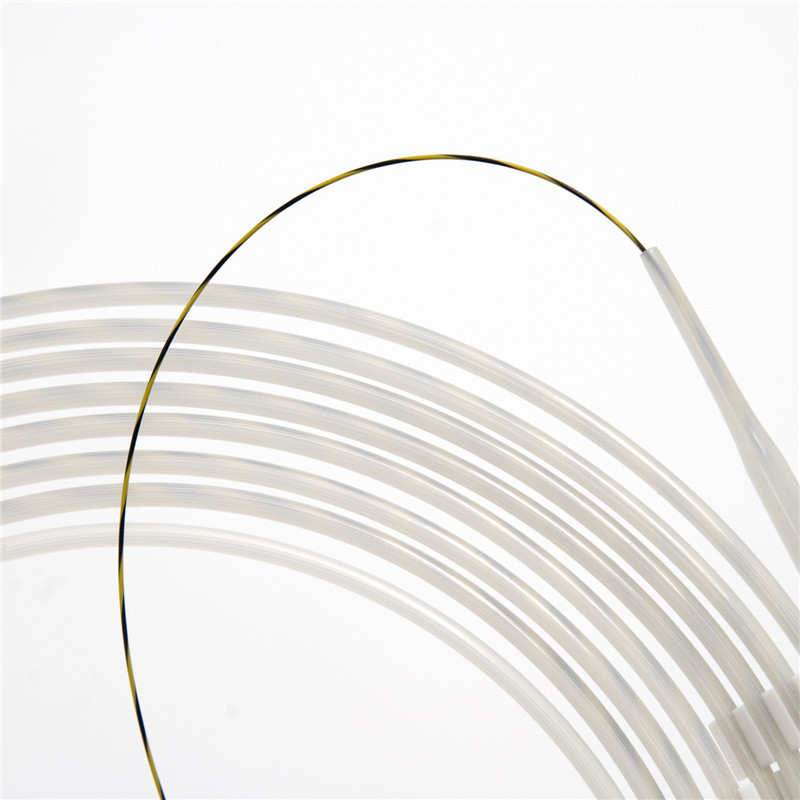
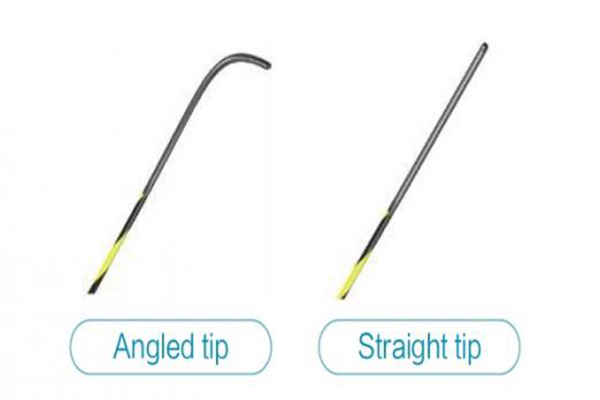
The guidewire comes in both straight tip and angled tip designs, providing physicians with varied control options based on anatomical conditions and procedural requirements.
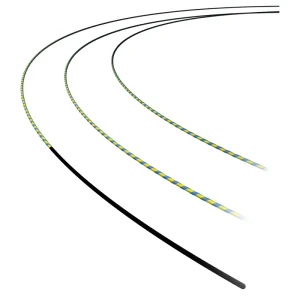
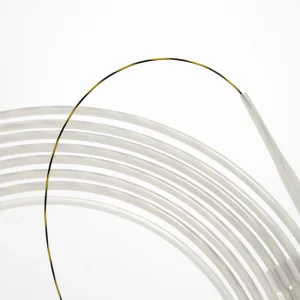
The high-contrast yellow and black coating makes tracking the movement of the wire significantly easier and provides clear visualization under X-ray and fluoroscopy.
The anti-twist inner Nitinol core wire offers superior kink resistance, enhanced pushability, and exceptional 1:1 torque response for navigating difficult or tortuous ductal anatomy.
The guidewire is available in outer diameters of 0.025 inch (0.63 mm) and 0.035 inch (0.89 mm), with working lengths of 2600 mm and 4500 mm.