1 / 5
| Model | Sheath ID (Fr) | Sheath ID (mm) | Length (mm) |
|---|---|---|---|
| ZRH-NQG-9.5-13 | 9.5 | 3.17 | 130 |
| ZRH-NQG-9.5-20 | 9.5 | 3.17 | 200 |
| ZRH-NQG-10-45 | 10 | 3.33 | 450 |
| ZRH-NQG-10-55 | 10 | 3.33 | 550 |
| ZRH-NQG-11-28 | 11 | 3.67 | 280 |
| ZRH-NQG-11-35 | 11 | 3.67 | 350 |
| ZRH-NQG-12-55 | 12 | 4.0 | 550 |
| ZRH-NQG-13-45 | 13 | 4.33 | 450 |
| ZRH-NQG-13-55 | 13 | 4.33 | 550 |
| ZRH-NQG-14-13 | 14 | 4.67 | 130 |
| ZRH-NQG-14-20 | 14 | 4.67 | 200 |
| ZRH-NQG-16-13 | 16 | 5.33 | 130 |
| ZRH-NQG-16-20 | 16 | 5.33 | 200 |
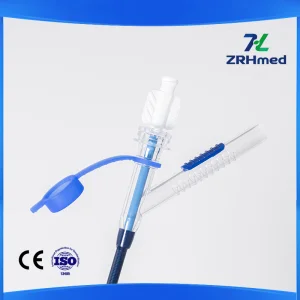
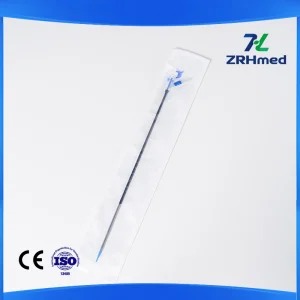
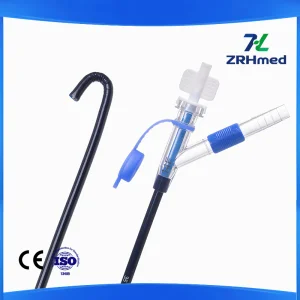
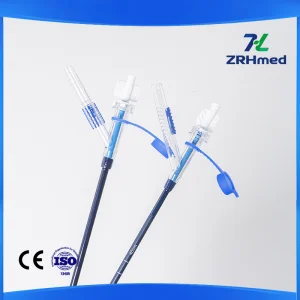
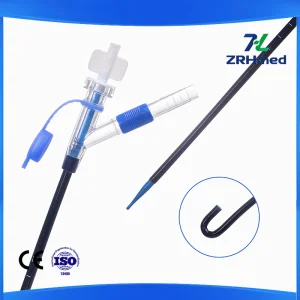
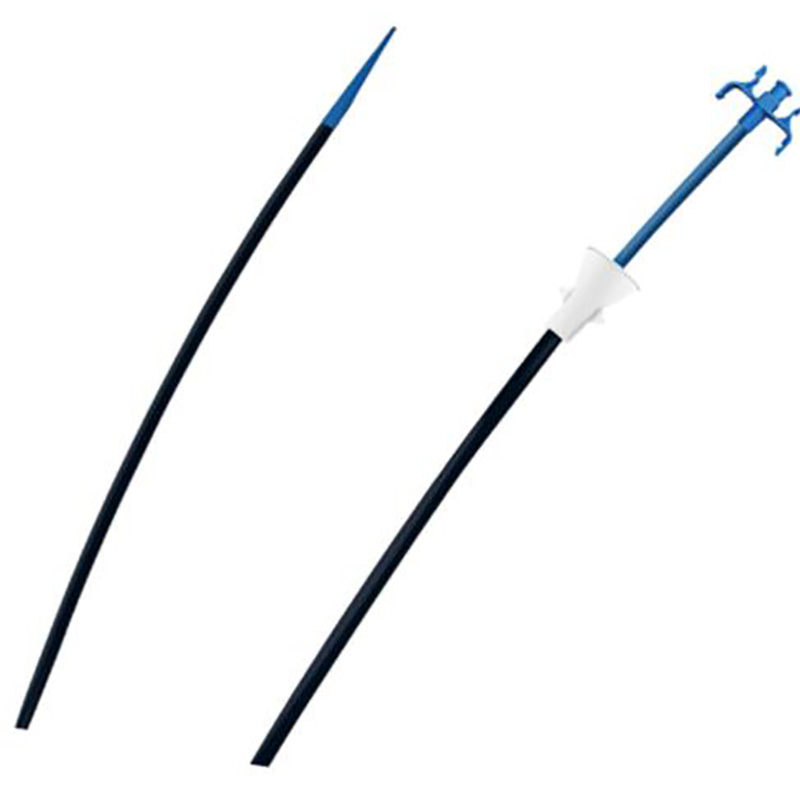
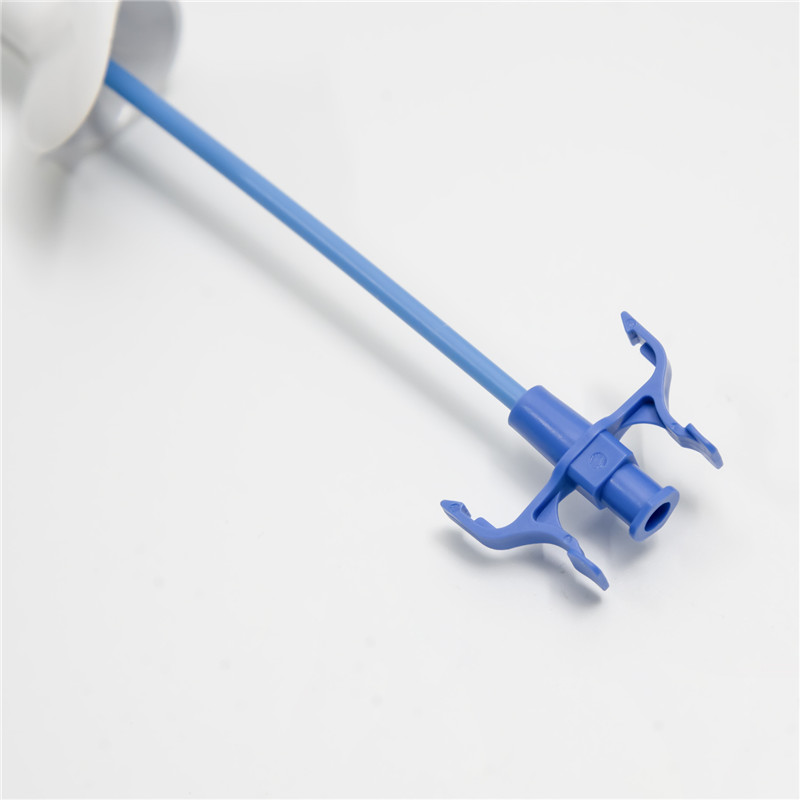
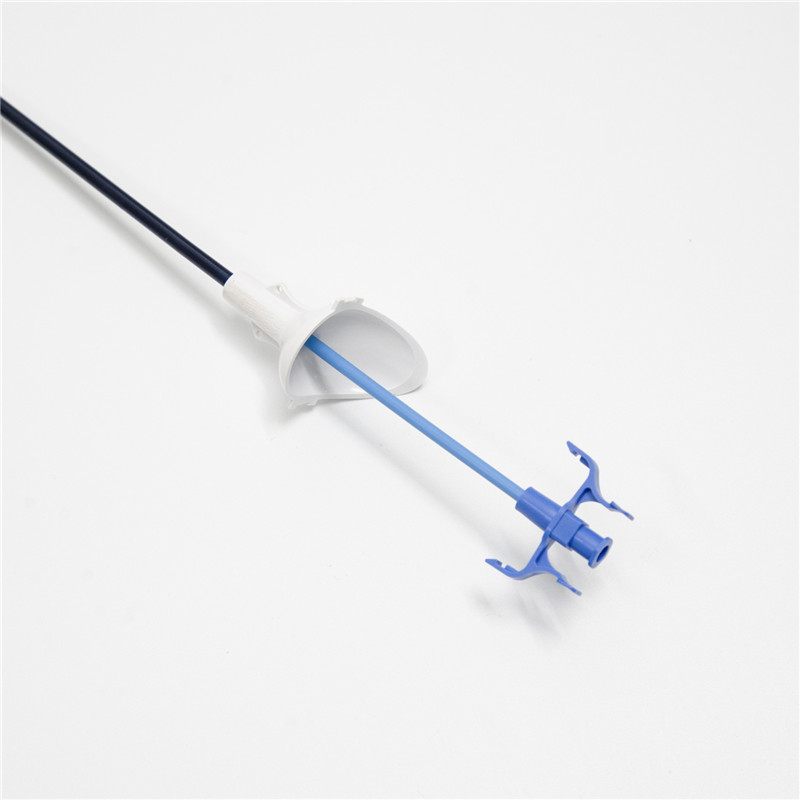
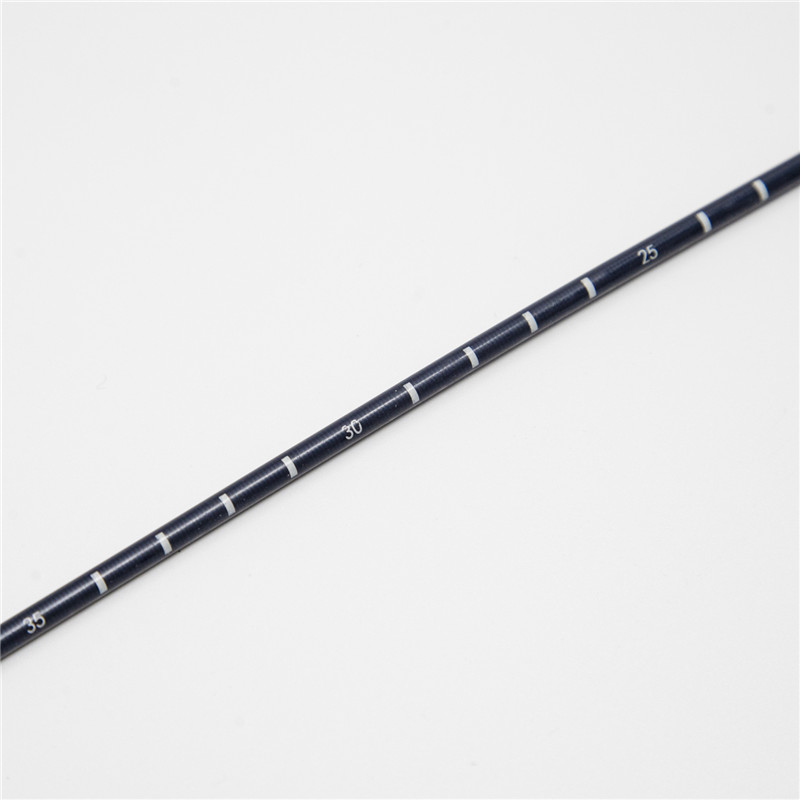
Seamless Transition from diator to sheath for ease of insertion. Radiopaque tip and sheath provide easy viewing of the placement location.
Allows for ease of insertion. Improved coating is designed for durability in bilateral class.
The internal lumen is PTFE lined to facilitate smooth device delivery and removal. Thin wall construction provides the largest possible internal lumen while minimazing the outer diameter.
The core consists of a sprial coil construction to provide optimal flexibility and maximum resistance to kinking and compression.
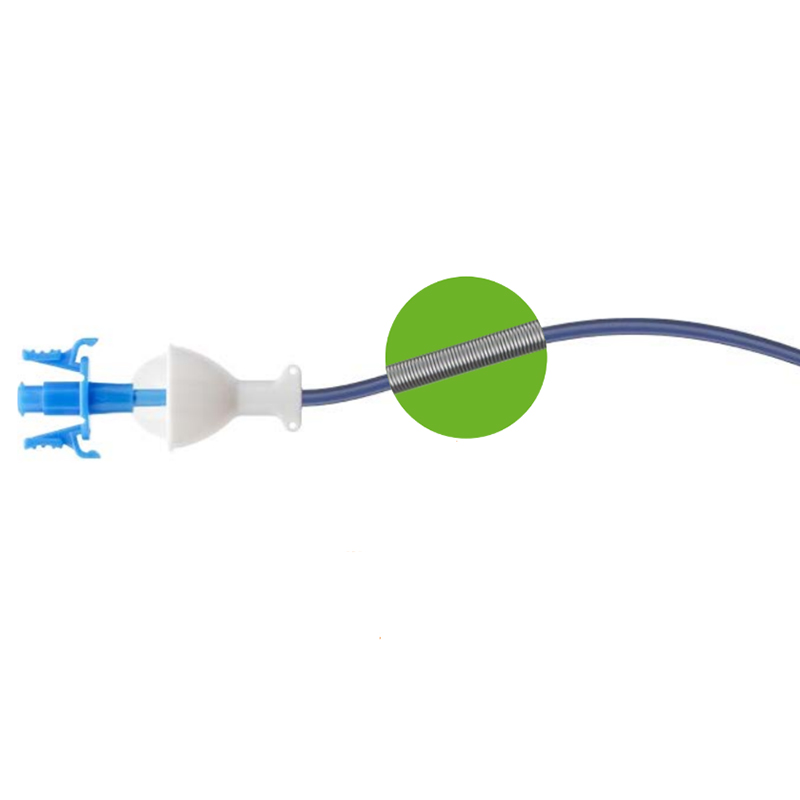
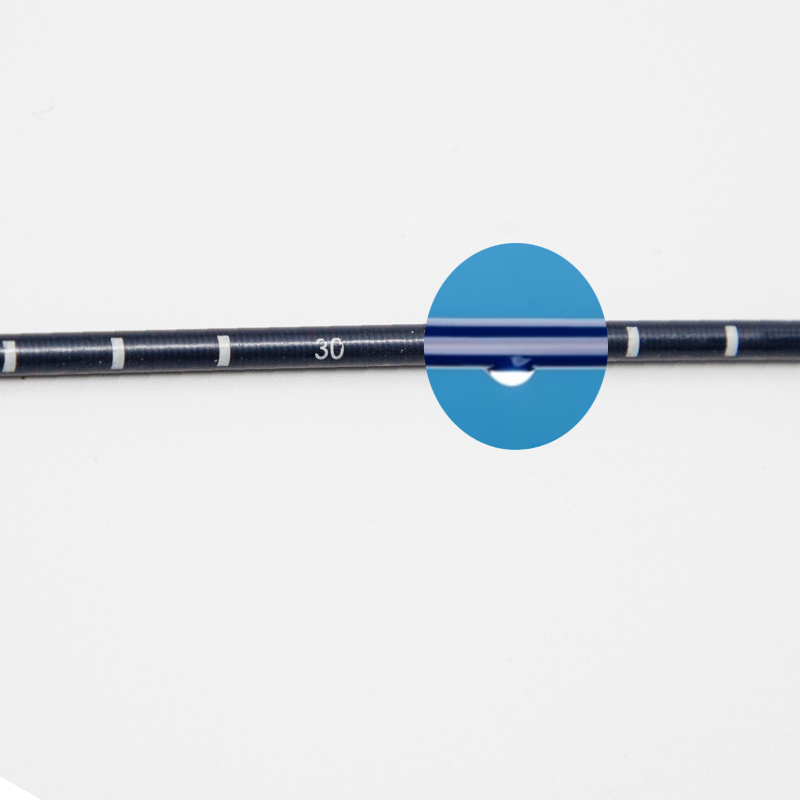
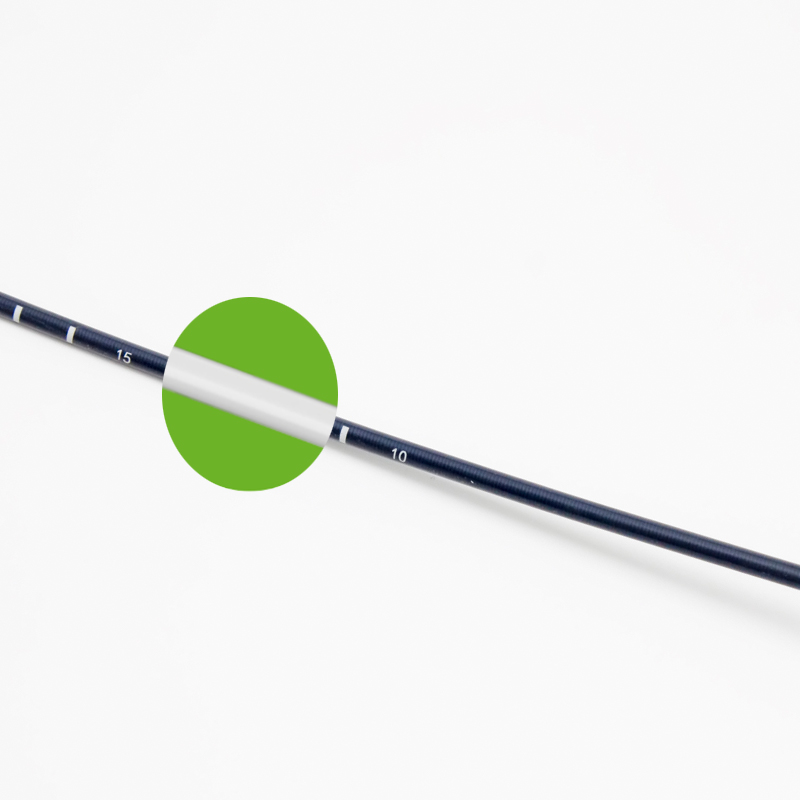
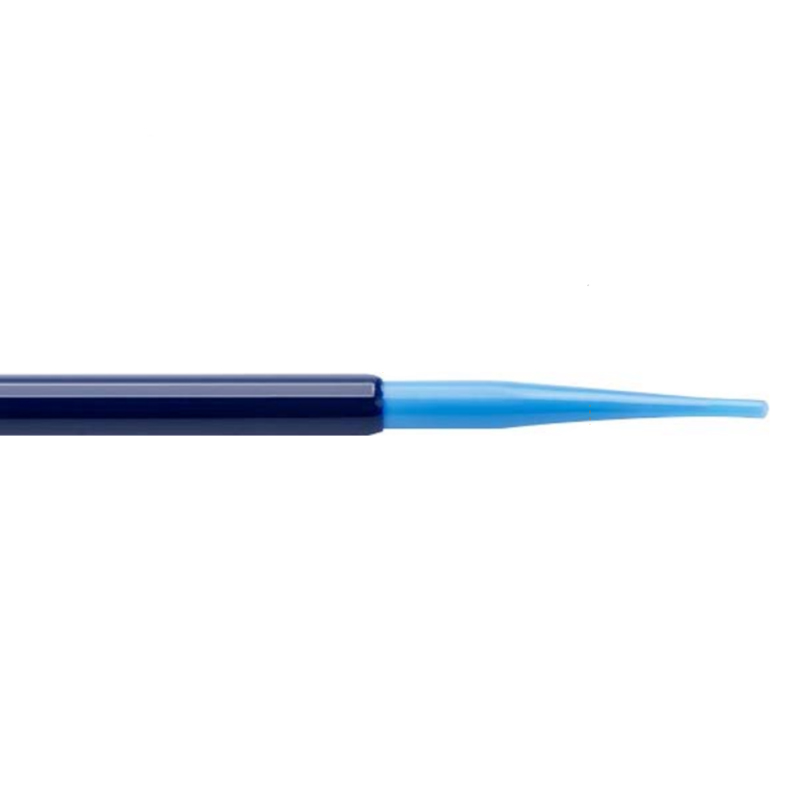
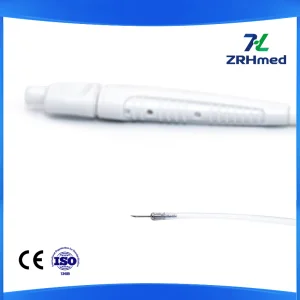
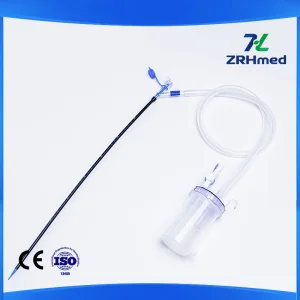
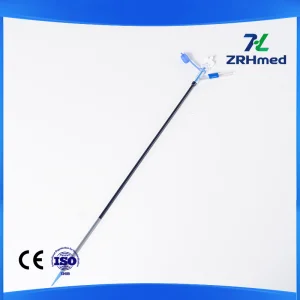
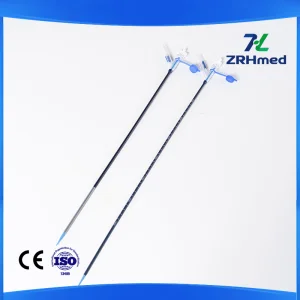
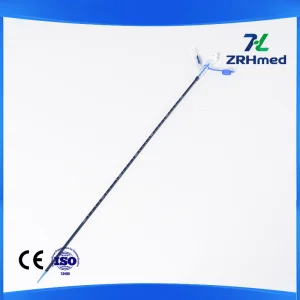
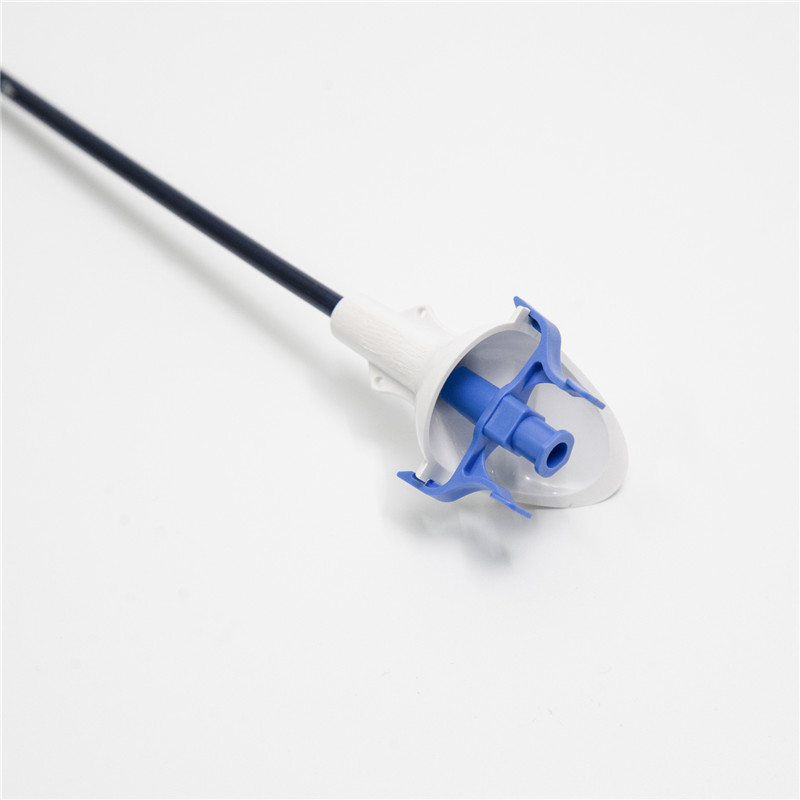
The ureteral access sheath is used for urological endoscopy and surgery, without creating a vertical channel, to assist endoscopes and surgical instruments to enter the urinary tract, which can improve the success rate of endoscopy in patients with ureteral stenosis and small lumen, and improve the The effectiveness and safety of inspection and treatment can protect the ureter during repeated exchange of instruments and significantly reduce damage; pre-dwelling "J-tube" before ureteroscopy can increase the success rate of endoscopy, and postoperative placement of "J-tube" can Prevention and treatment of ureteral obstruction caused by ureteral edema and crushed stone.
According to Wind data, the number of urogenital diseases discharged from hospitals in my country increased from 2.03 million in 2013 to 6.27 million in 2019, with a six-year compound growth rate of 20.67%, of which the number of urolithiasis discharged from 330,000 in 2013 It increased to 660,000 in 2019, with a six-year compound growth rate of 12.36%. It is conservatively estimated that the annual market size of cases using only "ureteral (soft) mirror holmium laser lithotripsy" will exceed 1 billion. The year-on-year increase in the number of patients with urinary system promotes the increase in the number of urological surgeries, which in turn drives the continuous increase in urology-related consumables. From the perspective of the ureteral access sheath, there are currently nearly 50 products approved by the Food and Drug Administration in China, including more than 30 domestic products and ten imported products. Most of them are newly approved products in recent years, and the market competition is gradually becoming fiercer.