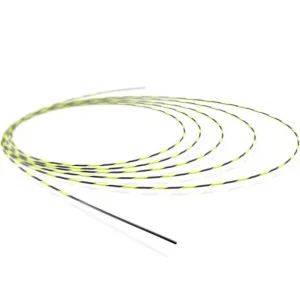
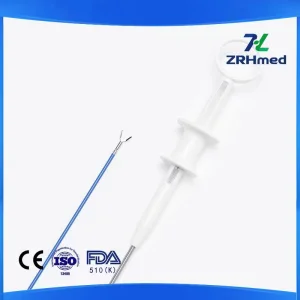
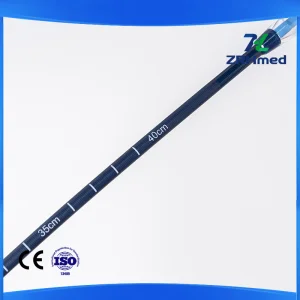
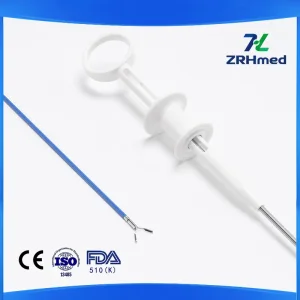
The global market for urology guidewires is characterized by a shift towards high-performance hydrophilic coatings and nitinol-based structures. As manufacturers, we observe that hospitals increasingly demand devices that offer superior trackability, kink resistance, and radio-opacity for complex ureteroscopic procedures. The industry is currently dominated by the requirement for "single-use" sterility to eliminate cross-contamination, a standard we strictly adhere to at our facility.
Our integration of precision CNC winding and automated coating ensures consistent quality, enabling us to match the rigorous output required by international medical distributors.
Operating under ISO 13485, we integrate rigorous 100% inspection gates, ensuring that every guidewire meets the tactile feedback requirements of urological surgeons worldwide.
China's robust medical device ecosystem allows us to optimize raw material sourcing, providing our partners with competitive pricing without compromising on medical-grade performance.
The transition toward minimally invasive surgery (MIS) continues to drive the demand for sophisticated guidewires. We are seeing a trend where procurement officers prioritize manufacturers who provide Information Gain—detailed clinical application data, comparative stress-test reports, and regulatory documentation—rather than just price. This semantic shift in search and procurement behavior highlights the need for transparency in material composition (nitinol vs. stainless steel core) and coating durability profiles.
A: A superior guidewire combines a lubricious hydrophilic coating for navigation with a robust, kink-resistant core for secondary device delivery.
A: Yes, as an R&D-driven manufacturer, we provide OEM services to customize guidewire length, stiffness, and tip design for specific clinical needs.
A: We provide full technical dossiers, including biocompatibility reports and sterilization validation data, facilitating easier market registration in your country.