Fully compliant with MDR Annex IX Class IIa/IIb standards. Direct OEM/ODM factory supply for hospital distributors and GPO tenders.
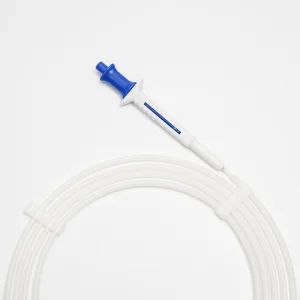
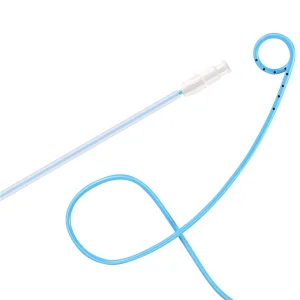
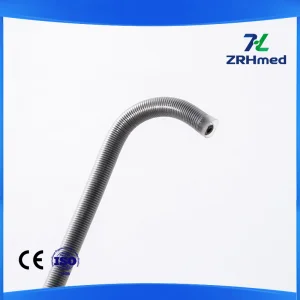
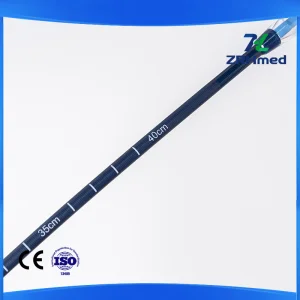
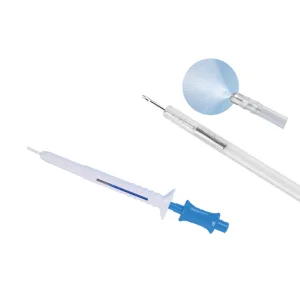
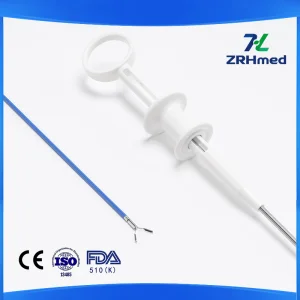
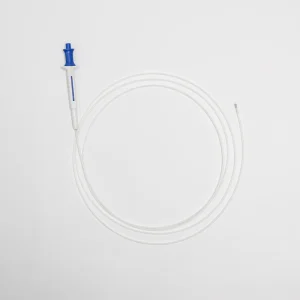
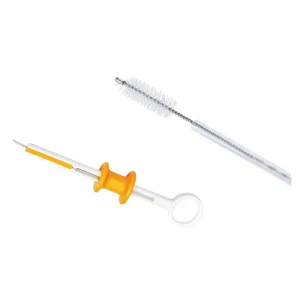
In-depth technical analysis for Chief Medical Officers, Hospital Supply Chain Directors, and Regulatory Affairs Executives navigating global endotherapy standards.
Endoscopic clipping remains the definitive primary mechanical intervention for non-variceal upper gastrointestinal bleeding (NVUGIB), post-polypectomy mucosal closure, and full-thickness iatrogenic perforations. However, the efficacy of an endoclip hinges on three critical biomechanical factors: clamping retention force, arm span trajectory, and synchronized 360-degree bidirectional rotational control.
Jiangxi ZhuoRuiHua Medical Instrument Co., Ltd. integrates advanced micro-machining and heat treatment protocols to forge clip arms from medical-grade surgical stainless steel with high elasticity. This prevents plastic deformation under high muscular resistance within the gastric antrum or duodenal bulb.
The implementation of the EU Medical Device Regulation (MDR 2017/745) substantially raised the bar for clinical data rigor, post-market surveillance (PMS), and technical documentation. Purchasing managers cannot afford the risk of working with non-compliant suppliers whose CE certificates risk revocation.
Our manufacturing and quality assurance frameworks align seamlessly with international audits, ensuring seamless documentation access for regional market authorization:
Vertical manufacturing integration, advanced automation tooling, and localized regulatory expertise create defensible competitive moats for distributors.
By owning stamping, wire drawing, micro-welding, and automated packaging within one manufacturing base in Jiangxi, ZhuoRuiHua eliminates tier-two contractor markups. This enables international tender partners to win institutional contracts while maintaining healthy gross margins.
Every single hemoclip and endoscopic accessory is tracked via a serialized ERP batch matrix. From raw metallurgical ingot certifications to EO sterilization cycle records, distributors receive comprehensive SKUs-specific inspection documentation for zero-friction customs release.
We configure working lengths (1650mm, 1950mm, 2300mm), jaw opening spans (9mm, 11mm, 13mm, 16mm), and specialized color-coded handles according to exact market demands, backed by sterile pouch labeling translated into 15+ official European languages.
How precise mechanical hemostasis devices integrate into modern minimally invasive GI endotherapy workflows.
Deploying 11mm and 13mm rotatable hemoclips provides targeted mechanical compression directly across visible pumping or oozing vessels (Forrest class Ia/Ib/IIa), achieving instant hemostasis without inducing thermal tissue necrosis associated with electrocoagulation probes.
Large mucosal resection defects (>20mm) following hot snare polypectomy or EMR are closed side-to-side using multi-clip placement patterns, substantially reducing late delayed bleeding events and post-procedure inpatient admission durations.
During complex Endoscopic Submucosal Dissection (ESD) or tight colonic navigation, immediate endoscopic closure of small muscularis propria breaches prevents pneumoperitoneum and eliminates emergency conversion to open surgical intervention.
Broad clinical scope covering gastrointestinal intervention, tissue sampling, lithotripsy extraction, and precision ERCP access.
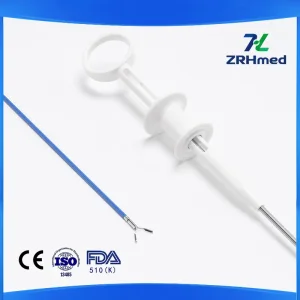
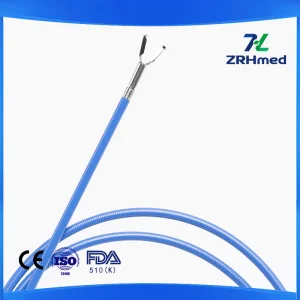
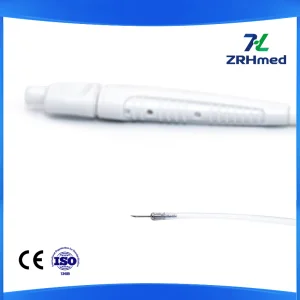
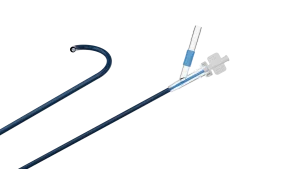
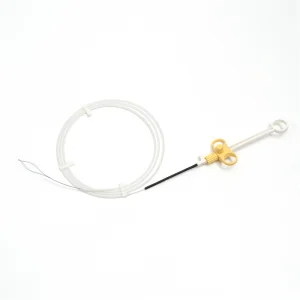
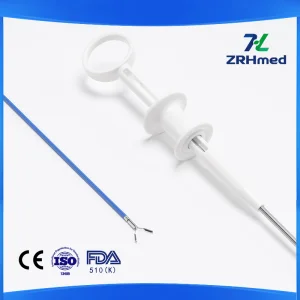
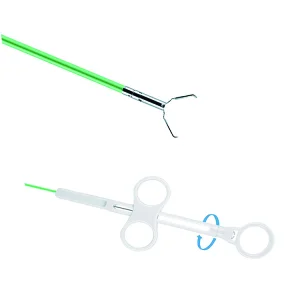
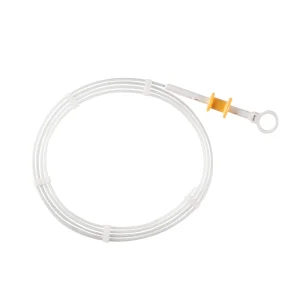
Anticipating the next decade of therapeutic innovations in GI endoscopy and minimally invasive surgery.
Next-generation research focuses on zinc-magnesium and bioabsorbable polymer clips designed to retain full tensile strength for 7–14 days during critical wound healing, followed by gradual enzymatic dissolution that eliminates long-term foreign body retention.
Bridging conventional through-the-scope clips (TTSC) with high-capacity over-the-scope clipping systems to allow primary endoscopic management of extensive GI wall defects, chronic fistulae, and refractory anastomotic leaks.
Integration of micro-calibrated force sensors within ergonomic handgrips, warning clinicians via tactile vibration or audible cues before exceeding tissue yield thresholds or premature shearing during complex angulated closures.
Transparent technical, regulatory, and logistics answers for procurement specialists and medical brand managers.