CE-cleared single-use endoscopic instruments engineered for flawless 1:1 torque transmission, smooth working-channel passage, and complete elimination of cross-contamination liabilities.
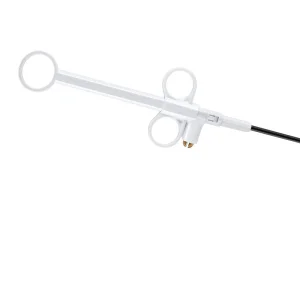
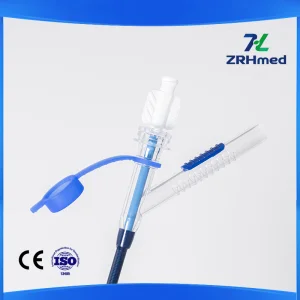
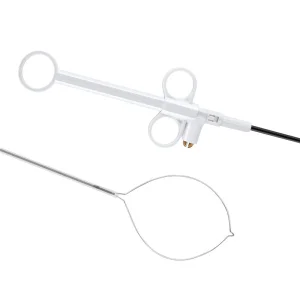
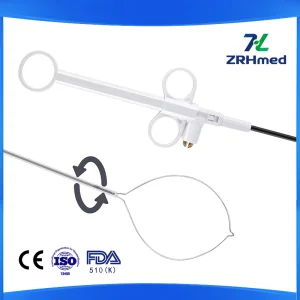
The paradigm shift from reusable accessories to sterile single-use devices represents an irreversible clinical evolution driven by stringent nosocomial infection data, strict liability regulations, and health economics.
Historical reliance on multi-use accessories—such as reusable biopsy forceps, cytology brushes, and sphincterotomes—harbored significant clinical risk. The complex micro-lumens, tortuous spring sheaths, and braided pull-wires of endoscopic instruments inherently resist manual enzymatic scrubbing and automated endoscope reprocessor (AER) cycles.
Peer-reviewed epidemiological investigations documented persistent colonization of Carbapenem-Resistant Enterobacteriaceae (CRE) and multidrug-resistant Pseudomonas aeruginosa within microscopic fissures of reusable accessory shafts. Single-use, factory-sterilized consumables establish a sterile barrier that guarantees absolute patient-to-patient safety, radically curtailing Hospital-Acquired Infections (HAIs).
While reusable instruments theoretically offer lower acquisition costs per unit, rigorous activity-based costing (ABC) reveals the hidden operational burden: specialized sterile processing personnel, high-potency peracetic acid disinfectants, routine autoclave maintenance, and mechanical blade dulling that degrades biopsy specimen integrity.
Transitioning to single-use endoscopic instruments converts variable operational expenses and regulatory liabilities into predictable per-procedure consumables costs. For Ambulatory Surgery Centers (ASCs) and tertiary teaching hospitals alike, single-use workflows unlock maximum procedure throughput by eliminating reprocessing turnaround latency.
The global regulatory framework for single-use interventional devices has transitioned into an era of unprecedented rigor. The sunsetting of the EU Medical Device Directive (MDD 93/42/EEC) and full enforcement of Medical Device Regulation (MDR 2017/745) have elevated clinical evaluation, biocompatibility, and post-market clinical follow-up requirements.
Leading hospitals in North America, the European Union, the United Kingdom, and the Asia-Pacific region now mandate traceable UDI (Unique Device Identification) barcoding down to individual sterile blister pouches, driving manufacturers toward fully automated cleanroom packaging and inline laser etching systems.
A technical guide for procurement directors, regulatory affairs specialists, and hospital risk committees verifying compliance with Regulation (EU) 2017/745.
| Device Category | EU MDR Risk Class | Applicable Harmonized Standards | Conformity Assessment Route | Critical Engineering Focus |
|---|---|---|---|---|
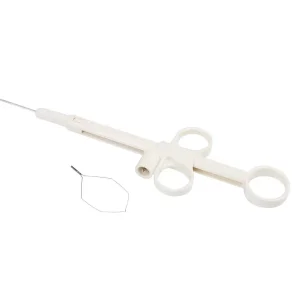
| Disposable Polypectomy Snares (Cold & Hot) | Class IIa | EN ISO 13485, EN ISO 11135, IEC 60601-2-2, EN ISO 10993-1 | Annex IX (QMS & Technical Documentation Assessment by Notified Body) | High-frequency electrical insulation integrity; loop expansion memory without kinking. |
| Disposable Endoscopic Hemoclips | Class IIa / Class IIb (Short-term vs. Long-term implantable tissue retention) | EN ISO 13485, EN ISO 10993-5/10/11, ASTM F2503 (MRI Safety) | Annex IX / Annex X + XI (Type Examination & Production Quality Assurance) | Clamping force retention (>5N); 360-degree bidirectional rotational torqueability; MRI conditional safety. |
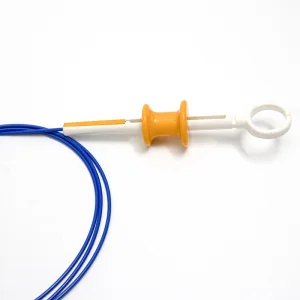
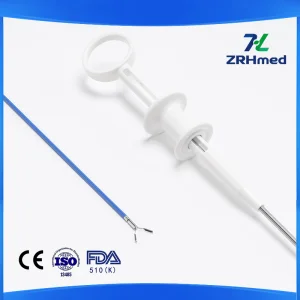
| Single-Use Biopsy Forceps | Class IIa (Sterile) | EN ISO 13485, EN ISO 11135, ISO 14971, EN ISO 10993-1 | Annex IX (Audit of QMS & Representative Technical File Review) | Cup edge micro-sharpening to prevent crush artifacts; coated spiral sheath flexibility without lumen friction. |
| Triple-Lumen Sphincterotomes & ERCP Baskets | Class IIb (Active surgical interventional device) | EN ISO 13485, IEC 60601-2-2, ISO 10993-4 (Hemocompatibility) | Annex IX Chapter I & III (Full QMS Audit & Individual Dossier Examination) | Electrosurgical cutting wire insulation; pre-curved tip orientation; radiopaque fluoroscopic marker stability. |
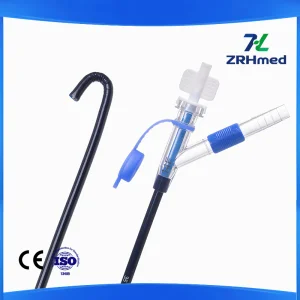
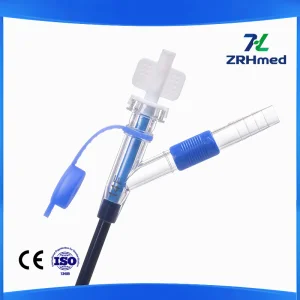
| Ureteral Access Sheaths (with Suction) | Class IIa | EN ISO 13485, EN ISO 11135, ISO 10555-1, ISO 10993-1 | Annex IX (Quality Management System & Technical Dossier) | Hydrophilic coating lubricity durability; kink-resistant coil/braid reinforcement; suction channel negative pressure limits. |
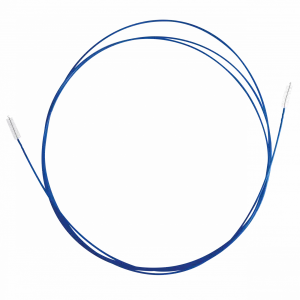
| Channel Cleaning Decontamination Brushes | Class I (Non-sterile or Class I Sterile) | EN ISO 13485, EN ISO 14971 | Annex II & III (Technical Documentation, Self-Declaration or Notified Body if Sterile) | Atraumatic spherical tip retention; filament anchoring pull-strength; non-scratch sheath compatibility. |
Technical Insight for Importers: Under EU MDR 2017/745, manufacturers cannot rely solely on historical literature equivalence. Sourcing from audited factories requires verifying that the Notified Body (e.g., TÜV SÜD, BSI, DEKRA, DNV) has approved the specific technical file under MDR codes (MDN 1202 / MDS 1005). Furthermore, Ethylene Oxide (EO) sterilization must comply with EN ISO 11135, establishing verified bioburden limits, sub-zero ethylene chlorohydrin residues, and sterility assurance levels (SAL 10⁻⁶).
How cutting-edge materials science and automated cleanroom manufacturing define the physical boundaries of flexible endoscopic intervention.
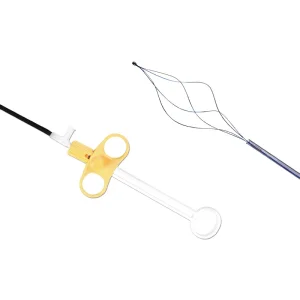
Nickel-Titanium shape memory alloys form the core of modern single-use stone baskets, snare loops, and guidewire cores. By executing proprietary thermal shape-setting cycles (500°C–520°C with rapid liquid quenching), the crystal lattice alternates between high-temperature austenite and low-temperature martensite phases.
This atomic structure produces an 8% recoverable strain—far exceeding surgical stainless steel. In clinical practice, this allows a 4-wire or 6-wire stone extraction basket to collapse inside a 1.8 Fr catheter and instantly re-expand into complex calyces without permanent structural deformities.
Catheters, access sheaths, and guidewire outer layers rely on graded thermoplastic elastomers such as Polyether Block Amide (Pebax®), PTFE, and fluorinated ethylene propylene (FEP). Multi-layer co-extrusion technology embeds micro-braided 304V stainless steel flat wire within the catheter walls.
This composite morphology provides axial pushability to conquer tortuous anatomy while maintaining soft, atraumatic distal tips that mitigate tissue perforation risks in the bile duct, bronchus, or ureteral lumens.
Advanced factories run automated cleanrooms governed by continuous airborne particulate monitoring (ISO 14644-1). Automated wire-winding, automated pulse micro-laser welding, and machine-vision sorting eliminate human variability and particulate contamination.
Each lot undergoes quantitative pull-force testing (>30N for jaw-to-cable interfaces), automated burst pressure testing for multi-lumen catheters, and comprehensive bioburden assays prior to automated ultrasonic cleaning and validated EtO sterilization cycles.
Consumable engineering parameters aligned with specific interventional anatomy and surgical objectives.
Endoscopic Mucosal Resection (EMR) and Endoscopic Submucosal Dissection (ESD) demand ultra-responsive snare loops and hemostatic instruments. Cold snares feature ultra-thin braided nitinol filaments (0.24mm to 0.30mm diameter) engineered for guillotine-sharp mechanical transection of sessile polyps without electrocautery thermal injury.
For deep bleeding lesions or perforation closures, single-use rotatable hemoclips provide precise 360-degree bidirectional control, allowing the clinician to orient the jaw perpendicular to the mesenteric axis and achieve full-thickness tissue approximation with over 5N of mechanical retention force.
In Endoscopic Retrograde Cholangiopancreatography, cannulation success hinges on guidewire and sphincterotome responsiveness. Triple-lumen sphincterotomes segregate the electrosurgical cutting wire, radiopaque contrast injection, and 0.035” guidewire passage.
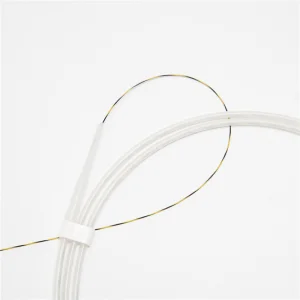
Pre-curved distal tips (11 o'clock and 1 o'clock orientations) allow selective biliary vs. pancreatic cannulation. Low-friction PTFE lining guarantees smooth wire passage during fluoroscopic navigation, while hydrophilic zebra guidewires deliver superior tactile feedback across tight strictures.
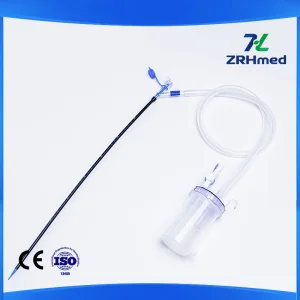
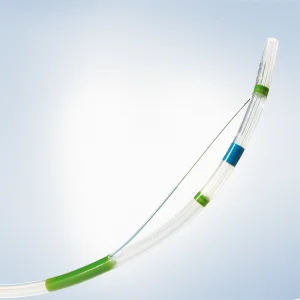
Flexible ureteroscopy requires careful fluid dynamics and pressure control. Single-use navigable suction ureteral access sheaths (UAS) create an active negative-pressure corridor between the renal pelvis and ambient atmosphere.
By continuously extracting laser-lithotripsy stone fragments while draining high-pressure irrigation fluid, these sheaths keep intrarenal pressure strictly below the 30 mmHg threshold. This reduces the risk of pyelovenous backflow, septic shock, and postoperative renal tissue edema.
Interventional pulmonology demands extreme miniaturization. Single-use bronchoscopy biopsy forceps feature external sheath diameters as slender as 1.8mm, designed for 2.0mm working channels.
Micro-machined alligator cups with center needles stabilize against bronchial bifurcations, capturing clean tissue samples from peripheral lung lesions without shearing. Single-use sterility eliminates the risk of cross-patient mycobacterial or fungal spore transmission in immunocompromised patients.
Anticipating structural engineering, digital integration, and sustainable polymer innovations over the next decade.
A strategic blueprint for international brand owners and medical distributors sourcing direct-from-factory production lines.
Complete private-label execution designed for regional distribution networks: fully custom-branded medical-grade blister packaging (Tyvek®-to-PETG heat-sealed trays), bespoke IFUs (Instructions for Use) in over 20 languages, and compliant GS1 DataMatrix barcoding ready for hospital inventory integration.
For brand partners designing novel endoscopic interventions, our in-house engineering group offers rapid CAD prototyping, micro-tooling design, and custom extrusion tooling within 4 to 6 weeks. From custom loop geometries to specialized steerable handles, we take projects from concept through initial clinical verification.
We supply complete technical documentation packages designed to streamline regional market registrations (such as US FDA 510(k), Brazil ANVISA, Australia TGA, and Saudi SFDA). This includes complete ISO 10993 biocompatibility test suites, accelerated 3-to-5-year aging data, packaging integrity validation, and EtO sterilization residual reports.
Detailed technical, regulatory, and logistics answers for hospital procurement committees and distributor quality directors.
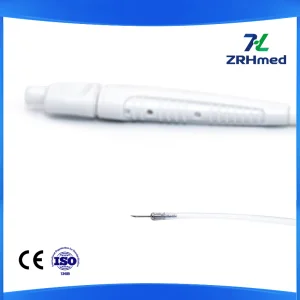
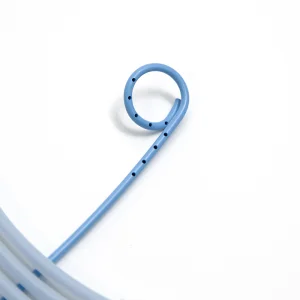
Comprehensive portfolio extensions spanning high-precision mucosal tissue sampling, advanced stone retrieval baskets, and single-use urological access systems.
Connect directly with senior biomedical engineering and regulatory export personnel for sample requests, technical documentation, and tender pricing.
Request comprehensive OEM catalog, price matrices, and distributor tender schedules.
Dedicated consultation for regulatory filing support, ISO test reports, and private-label packaging.
Direct telecommunications with our engineering and manufacturing facility in Jiangxi, China.
+86-791-8815-0806
