1 / 5
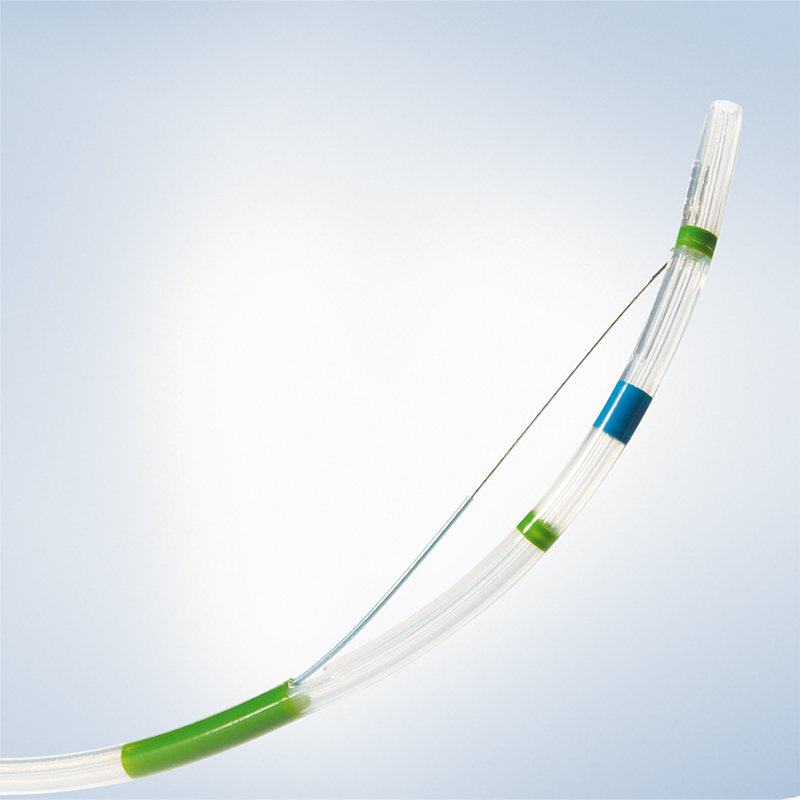
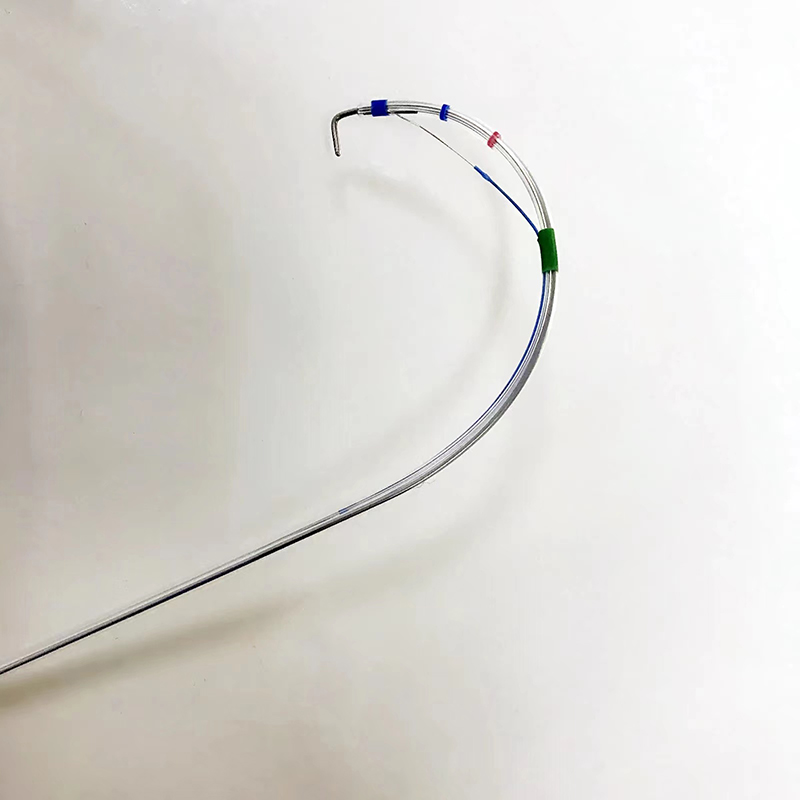
The diameter of the sphincterotome is generally 6Fr, and the apex part is gradually reduced to 4-4.5Fr. The diameter of the sphincterotome needs not much attention, but it can be understood by combining the diameter of the sphincterotome and the working forceps of the endoscope. Can another guide wire be passed while the sphincterotome is placed.
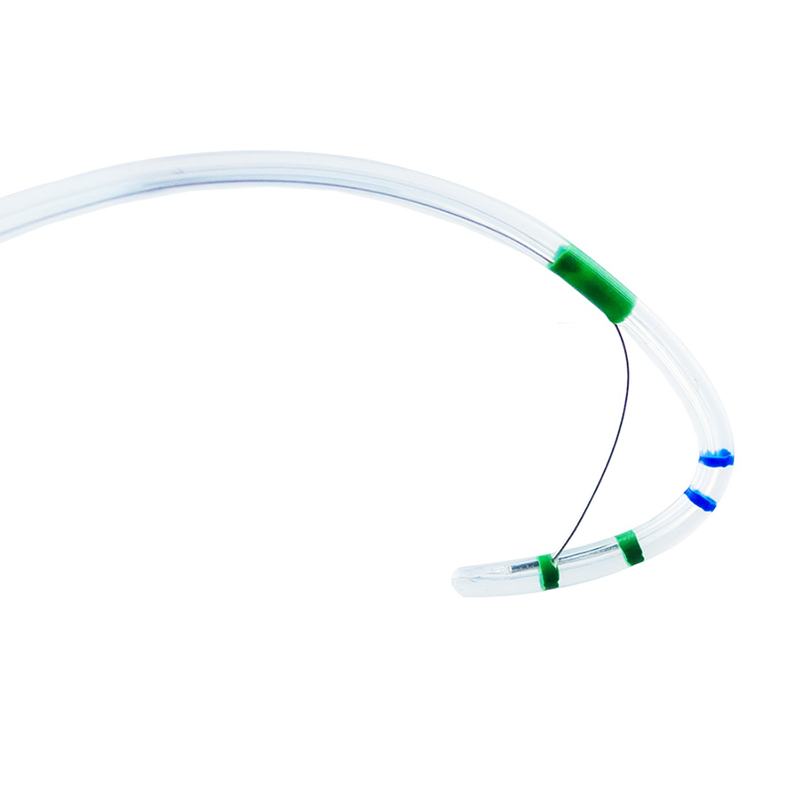
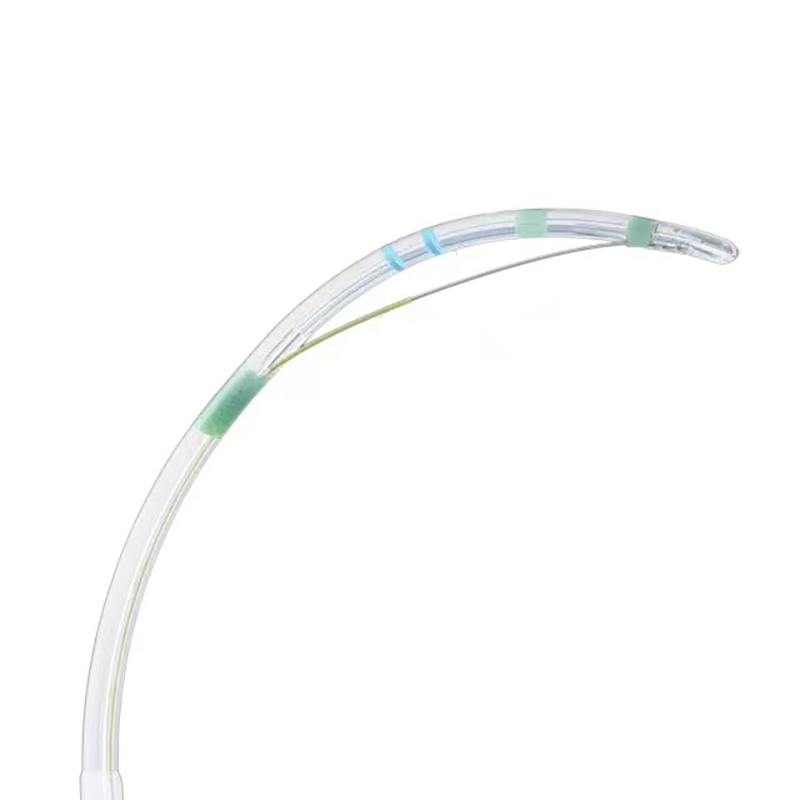
The length of the blade needs to be paid attention to, generally 20-30 mm. The length of the guide wire determines the arc angle of the arc knife and the length of the force during incision. Therefore, the longer the knife wire, the closer the "angle" of the arc is to the anatomical direction of the pancreaticobiliary duct intubation, which may be easier to intubate successfully. At the same time, too long knife wires may cause miscutting of the sphincter and surrounding structures, resulting in serious complications such as perforation, so there is a "smart knife" that meets the needs of safety while meeting the length.
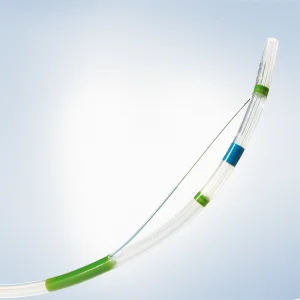
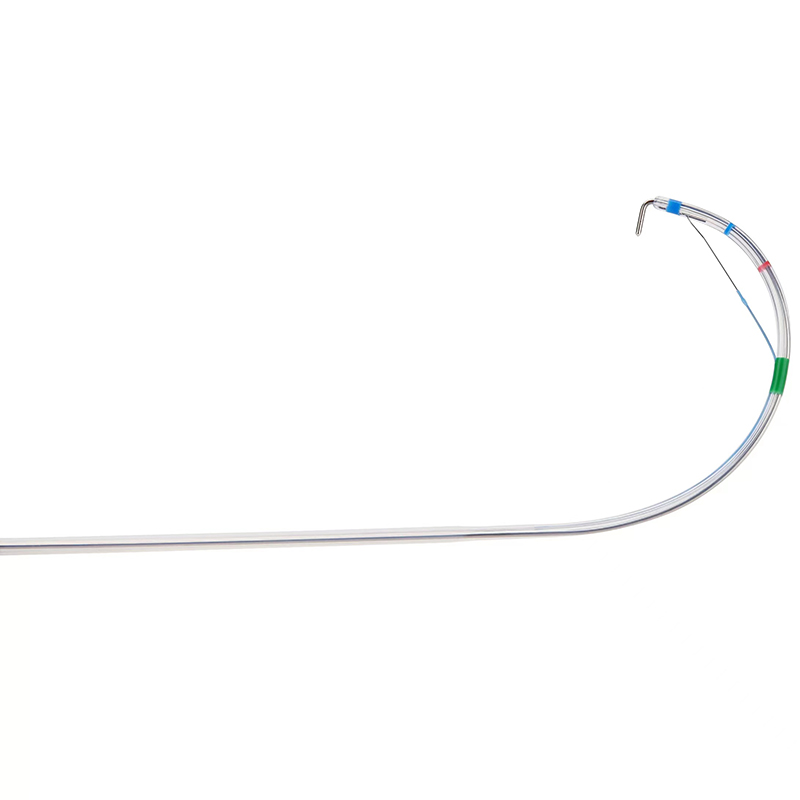
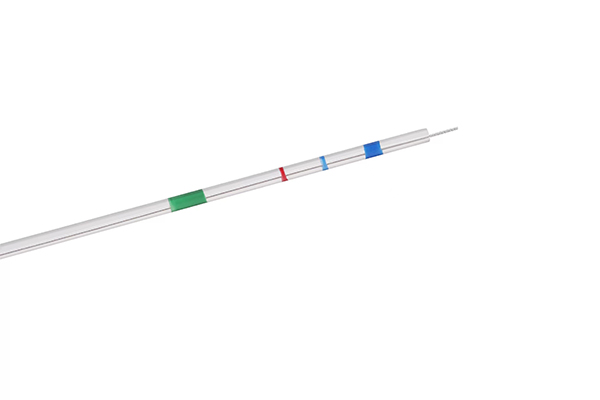
The identification of the sphincterotome is a very important piece, mainly to facilitate the operator to easily understand and identify the position of the sphincterotome during the subtle and important incision operation, and to indicate the common position and safe incision position. Generally speaking, several positions such as "start", "start", "midpoint" and "1/4" of the sphincterotome will be marked, of which the first 1/4 and the midpoint of the smart knife are relatively safe positions for cutting , more commonly used. In addition, the midpoint marker of the sphincterotome is radiopaque. Under the X-ray monitoring, the relative position of the sphincterotome in the sphincter can be well understood. In this way, combined with the length of the exposed knife under direct vision, it is possible to know whether the knife can safely perform sphincter incision. However, each company has different logo habits in the production of logos, which needs to be understood.
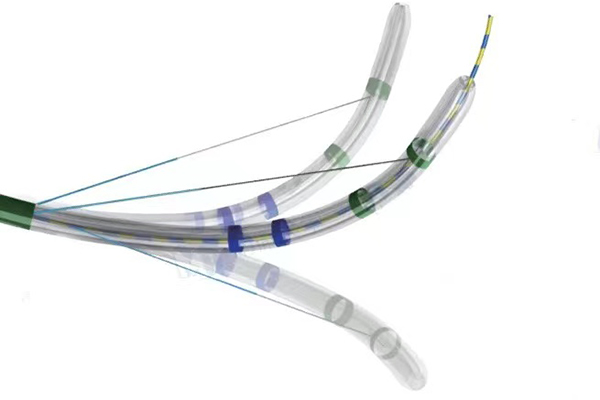
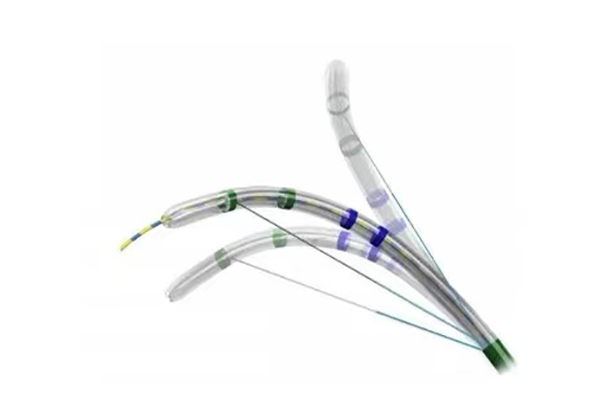
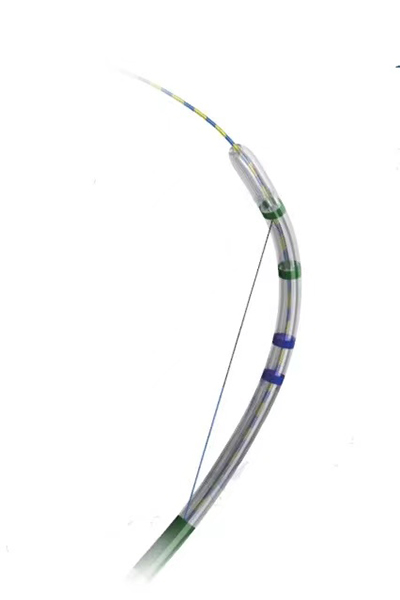
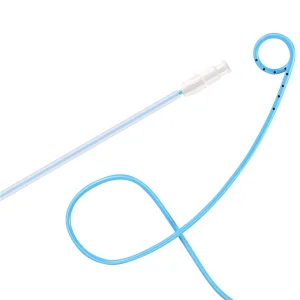
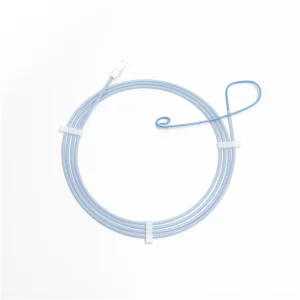
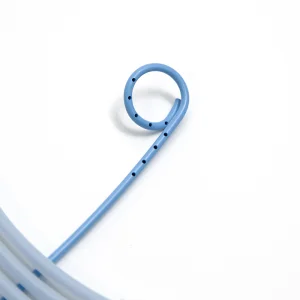
It is designed specifically for endoscopic cannulation of the ductal system and for performing sphincterotomy procedures.
It features a triple-lumen model with an outer diameter of 2.4mm, tip length choices of 3mm, 5mm, or 15mm, cutting lengths of 20mm, 25mm, or 30mm, and a total working length of 2000mm.
The overall diameter is generally 6Fr, with the apex section tapered down to 4-4.5Fr, allowing sufficient compatibility with endoscope working forceps and guide wire passage.
The blade length (typically 20-30 mm) influences the arc angle and incision force. While a longer wire matches the anatomical direction for smoother cannulation, excessive wire length can increase the risk of miscutting or perforation, which is why a "smart knife" design is employed.
Markings such as the start, midpoint, and 1/4 markers denote safe incision zones (with the first 1/4 and midpoint being the safest). The radiopaque midpoint marker allows clear visualization under X-ray monitoring to evaluate positioning relative to direct endoscopic vision.