1 / 5
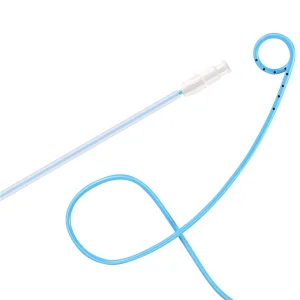
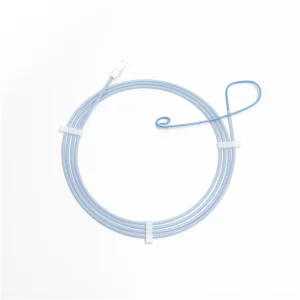
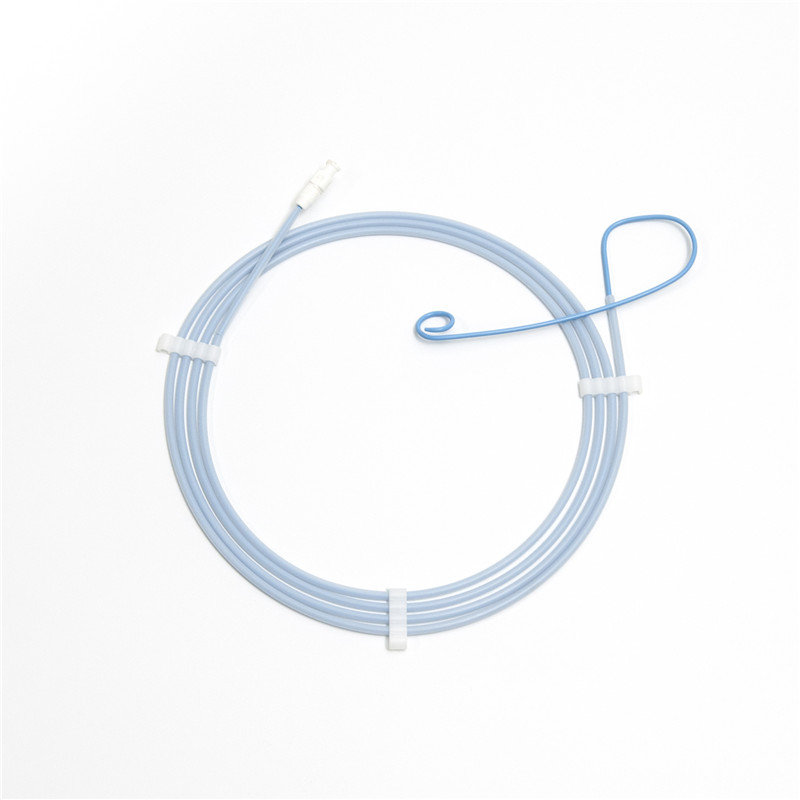
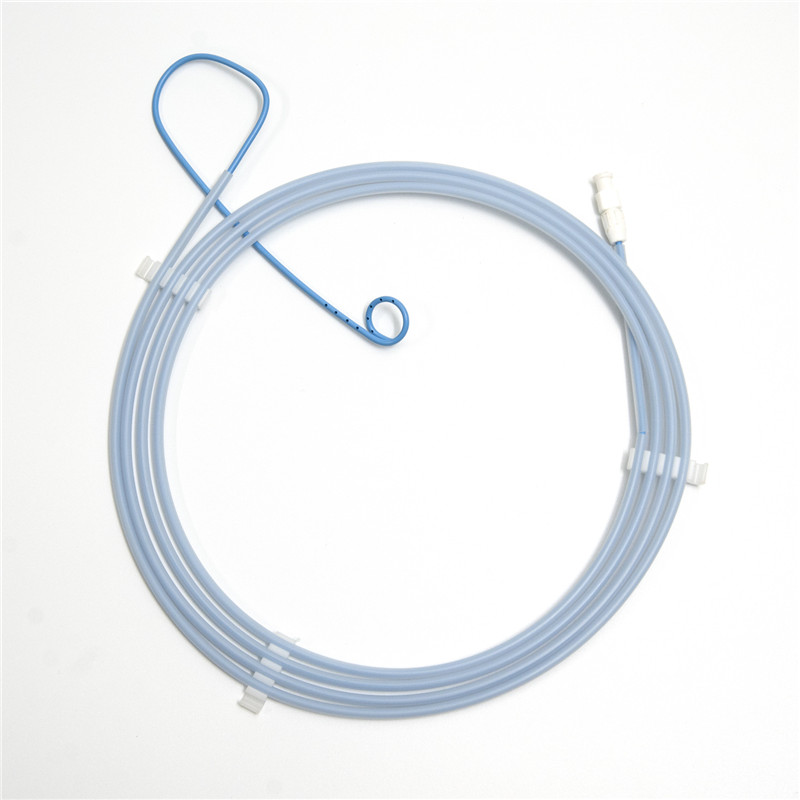
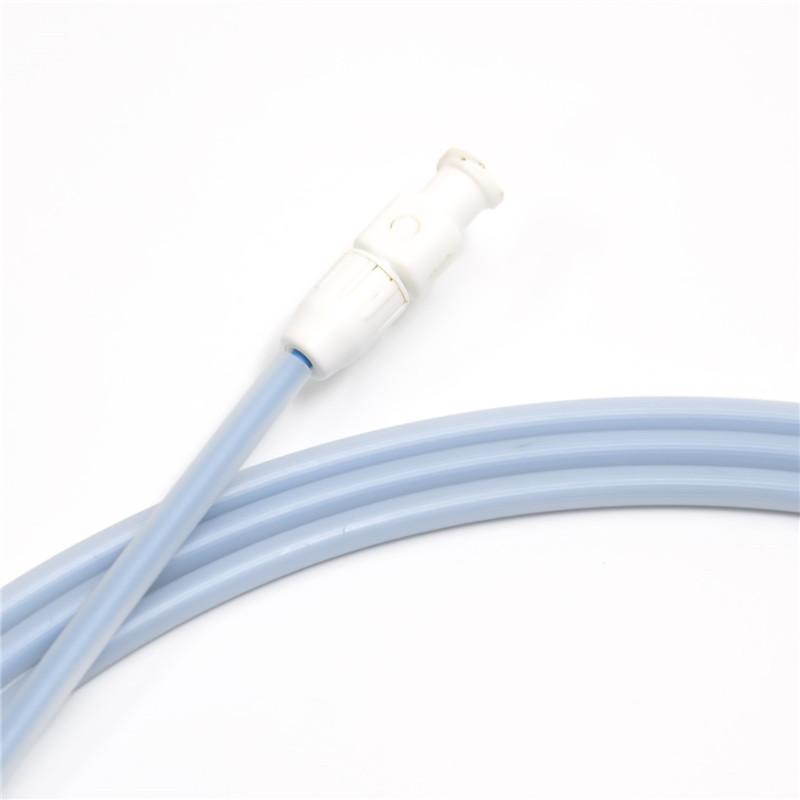
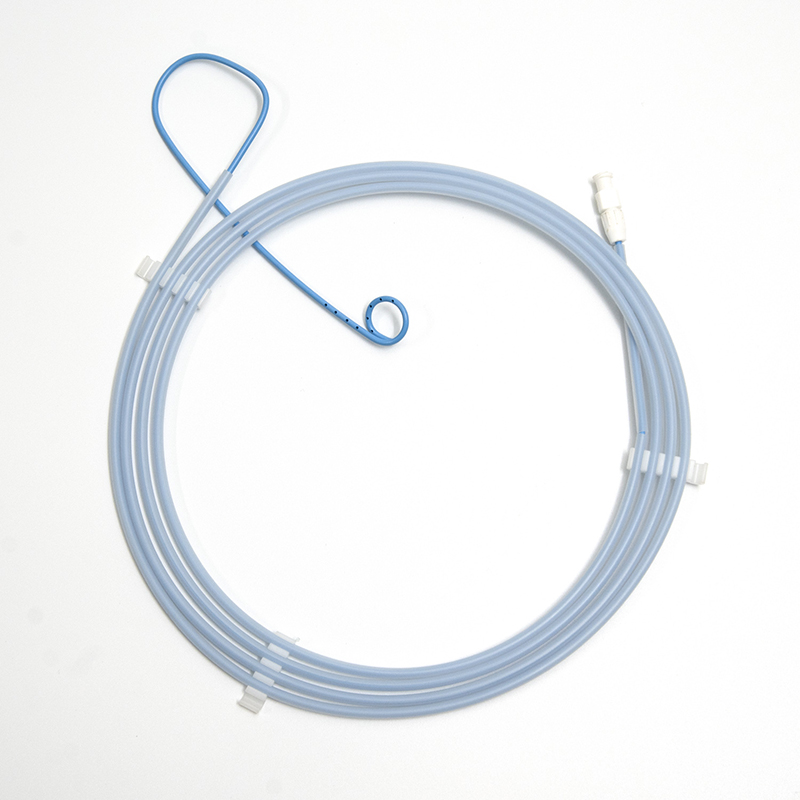
Nasal Biliary Drainage Catheter is avaible through the mouth and nose and into the bile duct, mainly used for drainage of bile. It's disposable product.
| Model | O.D. (mm) | Length (mm) | Head End Type | Application Area |
|---|---|---|---|---|
| ZRH-PTN-A-7/17 | 2.3 (7FR) | 1700 | Left a | Liver duct |
| ZRH-PTN-A-7/26 | 2.3 (7FR) | 2600 | Left a | |
| ZRH-PTN-A-8/17 | 2.7 (8FR) | 1700 | Left a | |
| ZRH-PTN-A-8/26 | 2.7 (8FR) | 2600 | Left a | |
| ZRH-PTN-B-7/17 | 2.3 (7FR) | 1700 | Right a | |
| ZRH-PTN-B-7/26 | 2.3 (7FR) | 2600 | Right a | |
| ZRH-PTN-B-8/17 | 2.7 (8FR) | 1700 | Right a | |
| ZRH-PTN-B-8/26 | 2.7 (8FR) | 2600 | Right a | |
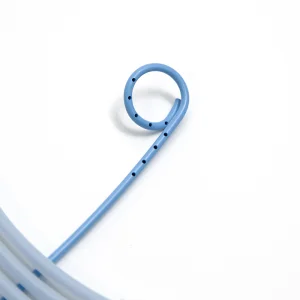
| ZRH-PTN-D-7/17 | 2.3 (7FR) | 1700 | Pigtail a | Bile Duct |
| ZRH-PTN-D-7/26 | 2.3 (7FR) | 2600 | Pigtail a | |
| ZRH-PTN-D-8/17 | 2.7 (8FR) | 1700 | Pigtail a | |
| ZRH-PTN-D-8/26 | 2.7 (8FR) | 2600 | Pigtail a | |
| ZRH-PTN-A-7/17 | 2.3 (7FR) | 1700 | Left a | Liver duct |
| ZRH-PTN-A-7/26 | 2.3 (7FR) | 2600 | Left a | |
| ZRH-PTN-A-8/17 | 2.7 (8FR) | 1700 | Left a | |
| ZRH-PTN-A-8/26 | 2.7 (8FR) | 2600 | Left a | |
| ZRH-PTN-B-7/17 | 2.3 (7FR) | 1700 | Right a |
It is routed through the mouth and nose into the bile duct, primarily utilized to provide effective decompression and drainage of bile in clinical endoscopic procedures.
The Nasal Biliary Drainage Catheter is strictly a disposable, single-use medical device to ensure optimal patient safety and prevent cross-contamination.
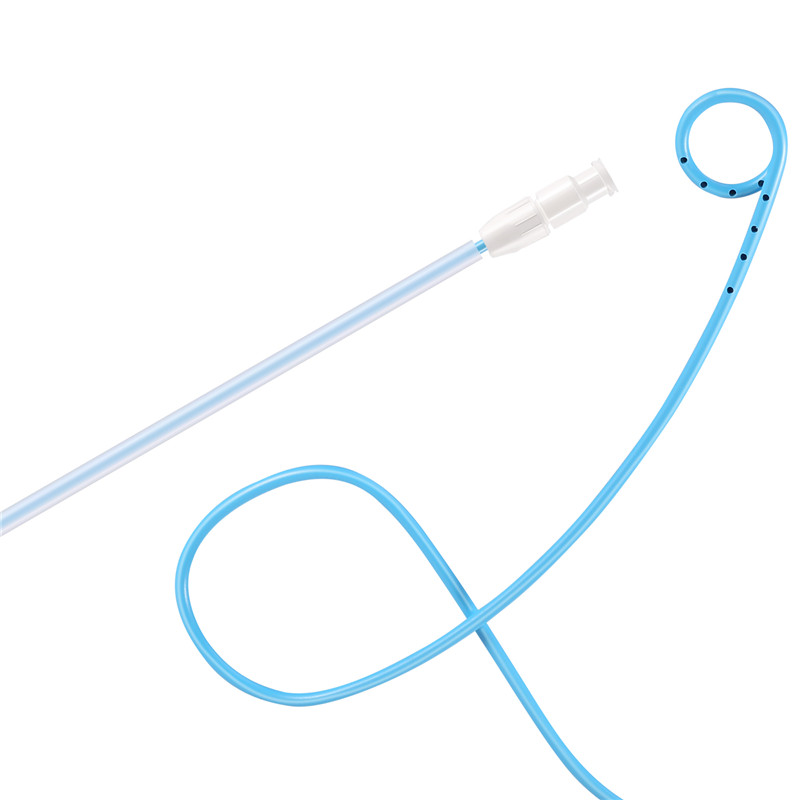
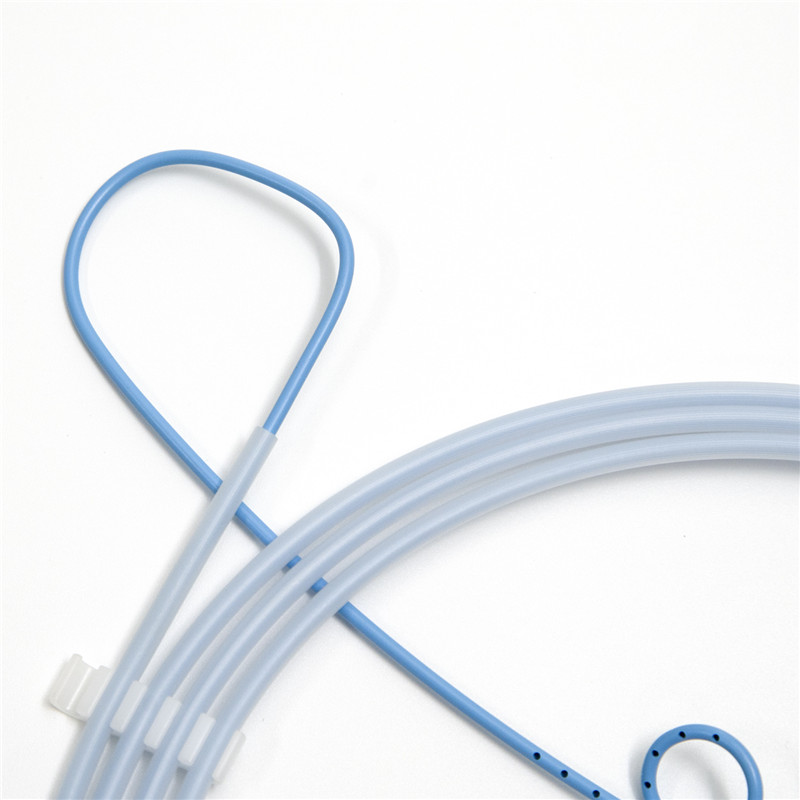
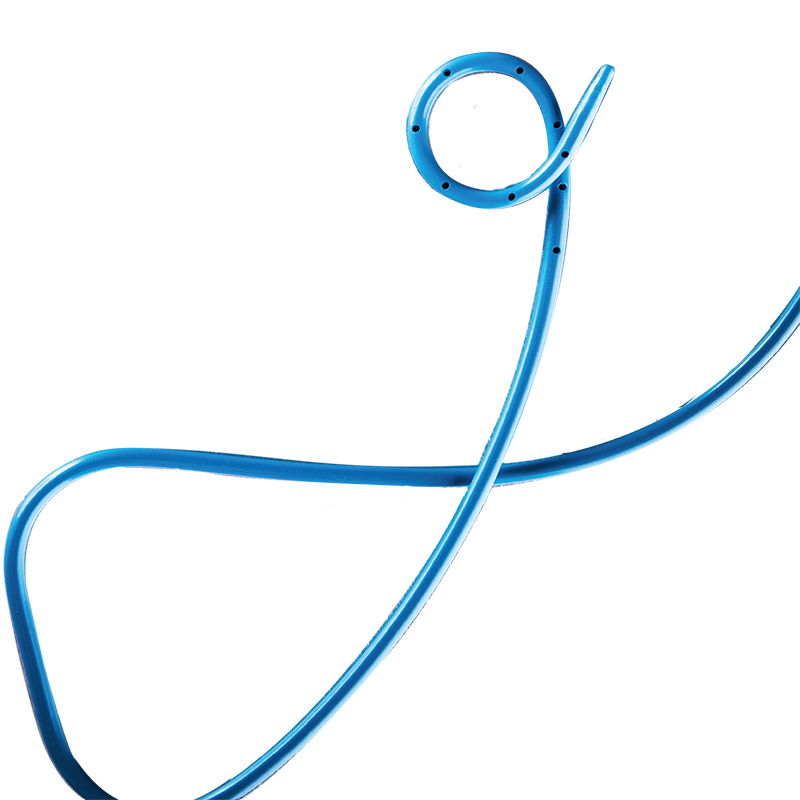
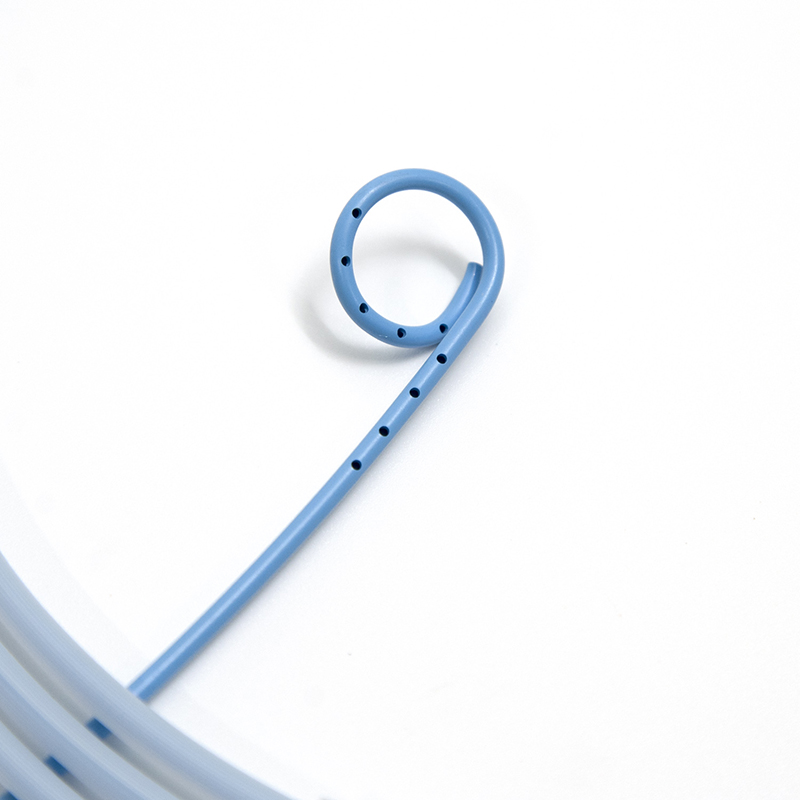
The product offers Left, Right, and Pigtail head end configurations, specifically engineered for optimal positioning and stability within the liver duct and bile duct.
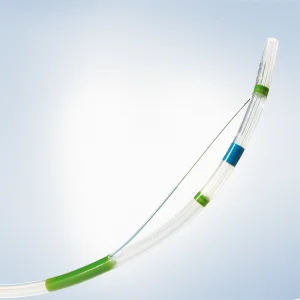
The catheter features a smooth surface with balanced softness and hardness to minimize discomfort, alongside a rounded tip design that avoids scratching delicate mucosal tissue during endoscope advancement.
Yes, beyond standard catalog lengths of 1700mm and 2600mm, custom length specifications can be accommodated to meet specific clinical demands.
The catheter is constructed with multiple side holes and an enlarged internal cavity, facilitating continuous and efficient biliary drainage while resisting clogging.