1 / 5
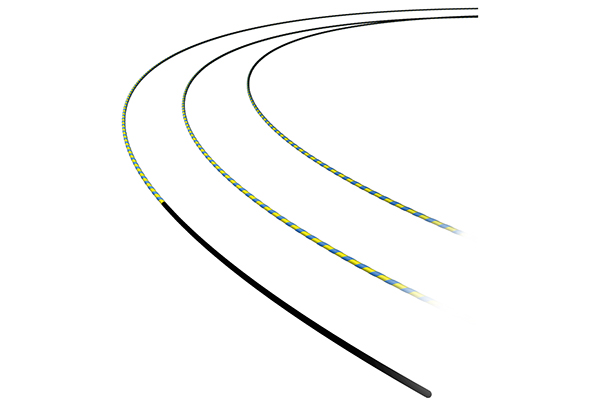
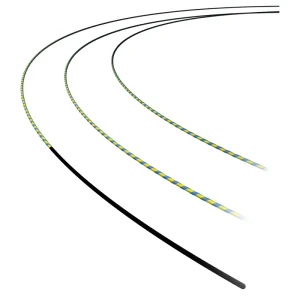
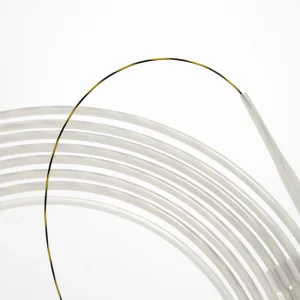
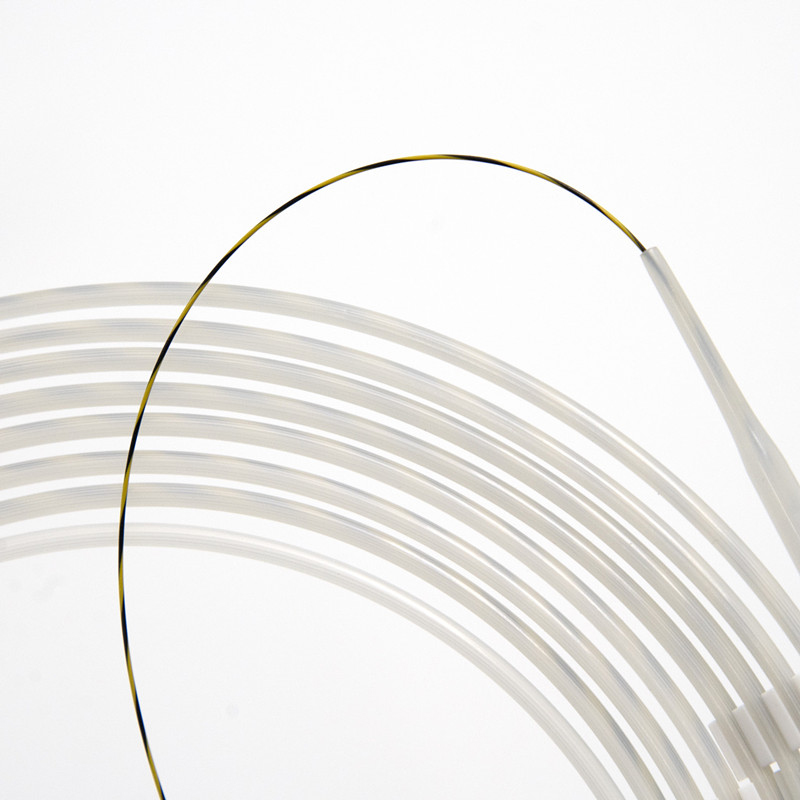
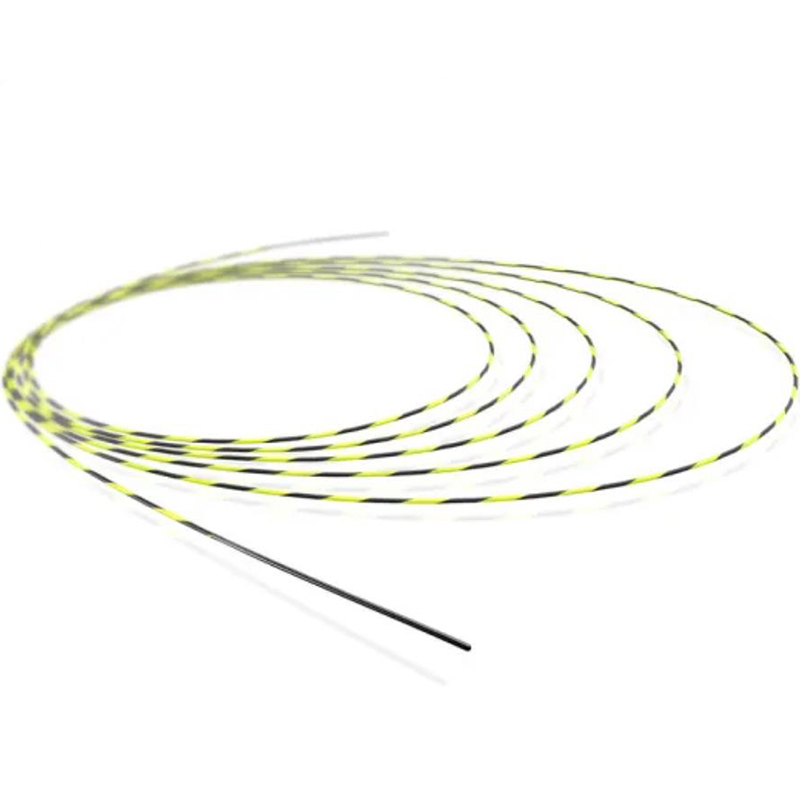
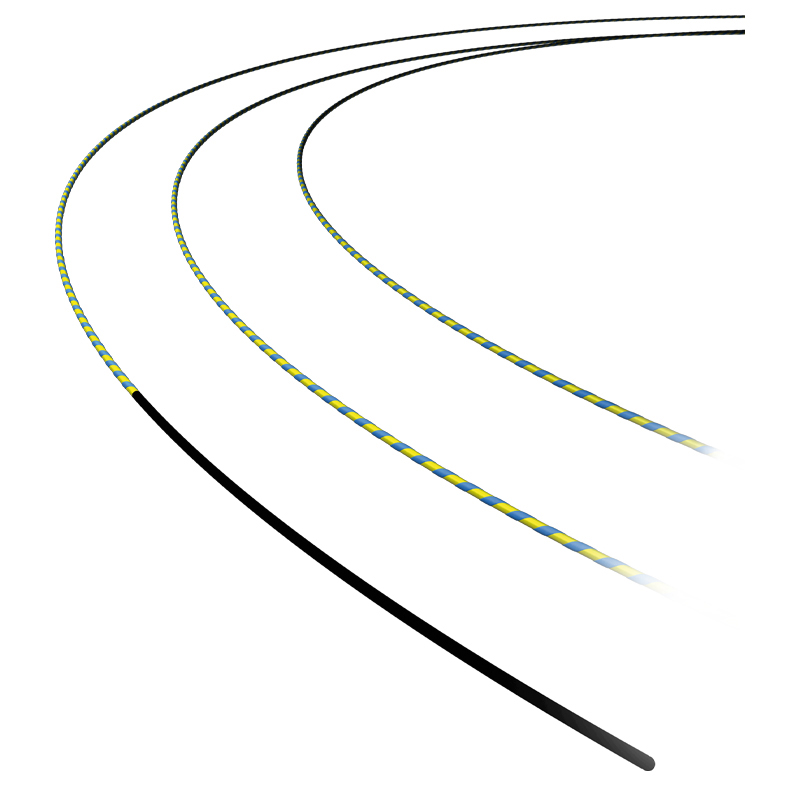
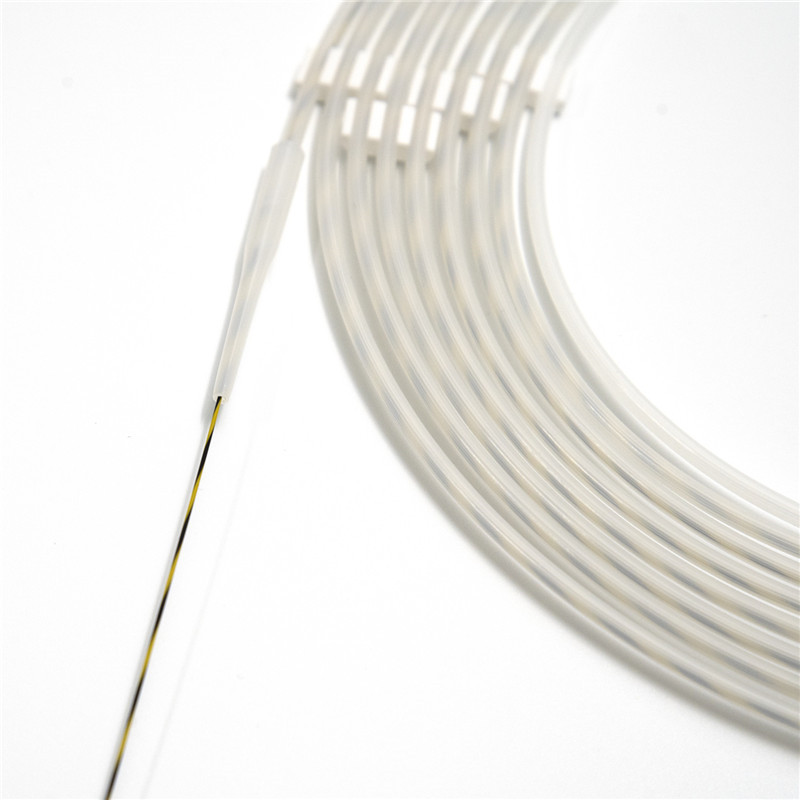
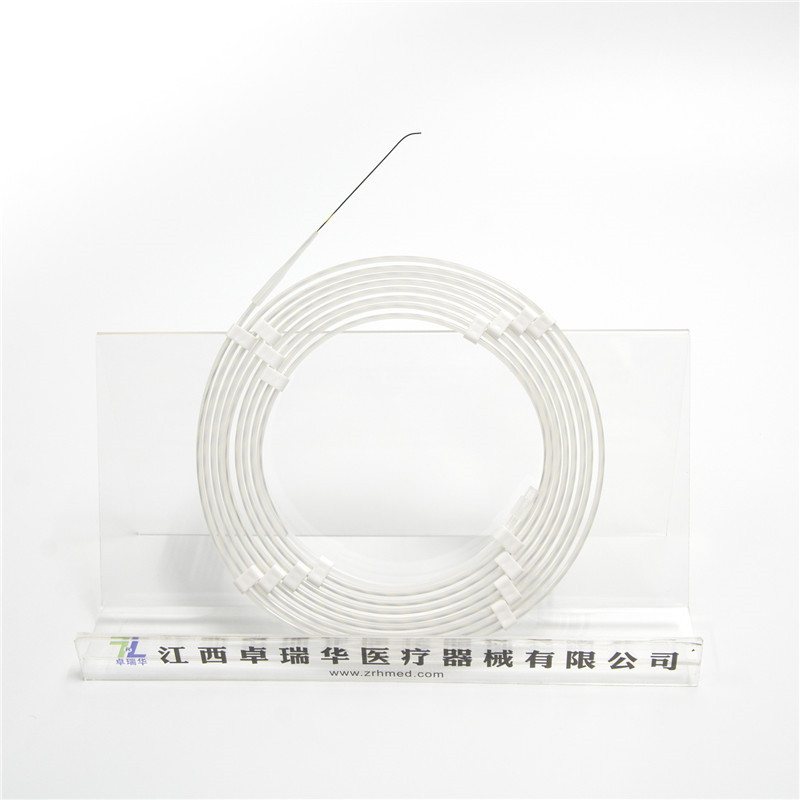
Used to guide dilation balloon and stent introducer devices in the upper and lower digestive tracts and respiratory tracts.
| Model No. | Tip Type | Max. O.D. | Working Length ± 50 (mm) | |
|---|---|---|---|---|
| ± 0.004 (inch) | ± 0.1 mm | |||
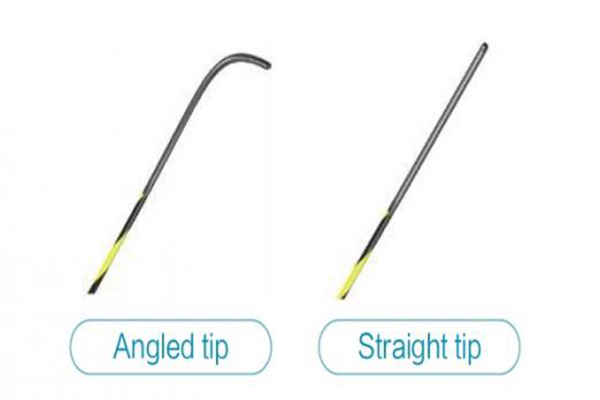
| ZRH-XBM-W-2526 | Angle | 0.025 | 0.63 | 2600 |
| ZRH-XBM-W-2545 | Angle | 0.025 | 0.63 | 4500 |
| ZRH-XBM-Z-2526 | Straight | 0.025 | 0.63 | 2600 |
| ZRH-XBM-Z-2545 | Straight | 0.025 | 0.63 | 4500 |
| ZRH-XBM-W-3526 | Angle | 0.035 | 0.89 | 2600 |
| ZRH-XBM-W-3545 | Angle | 0.035 | 0.89 | 4500 |
| ZRH-XBM-Z-3526 | Straight | 0.035 | 0.89 | 2600 |
| ZRH-XBM-Z-3545 | Straight | 0.035 | 0.89 | 4500 |
Such as blue and white coating.
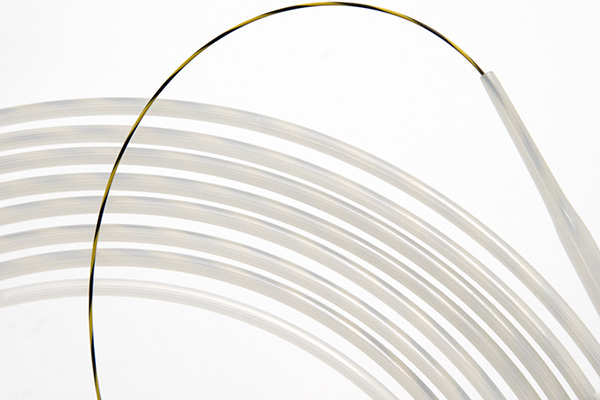
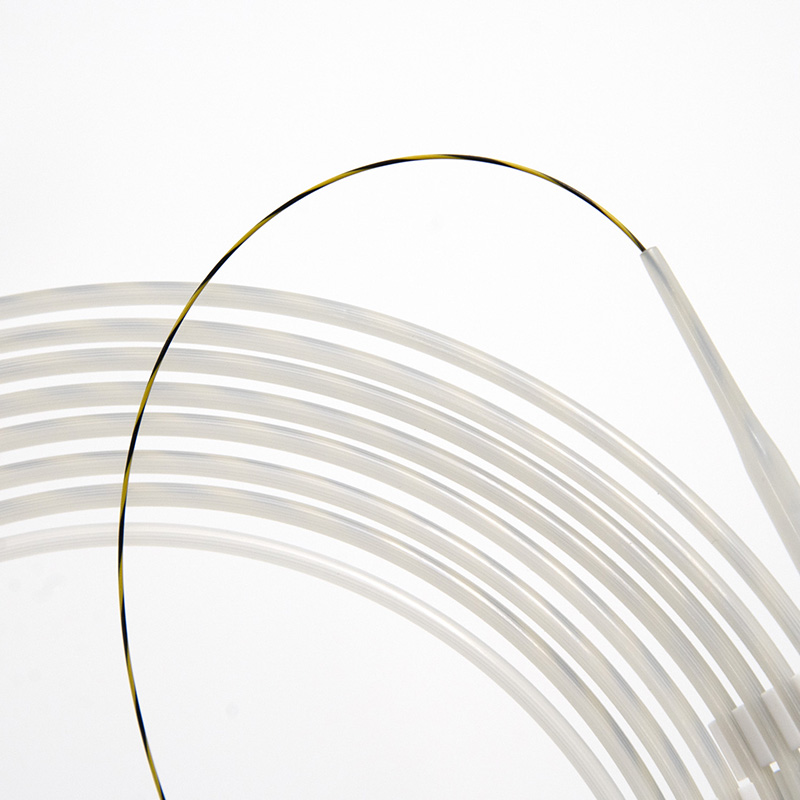
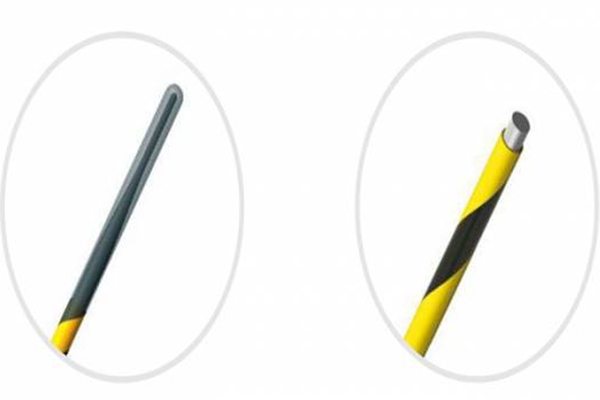
Easier to pass through the working channel, without any stimulation for tissue.
Easier to track the guide wire and obvious under X-Ray.
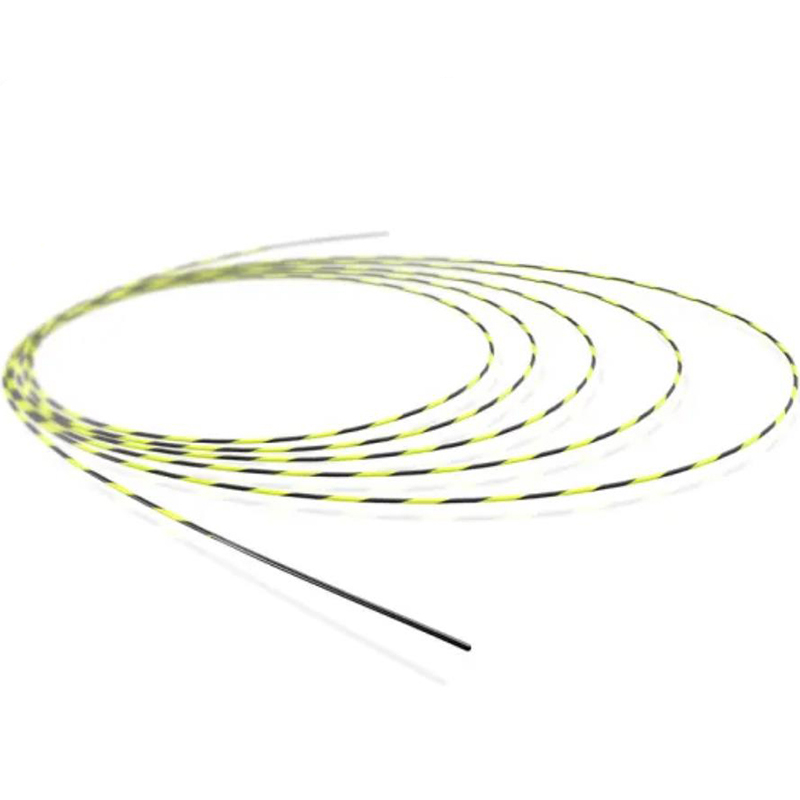
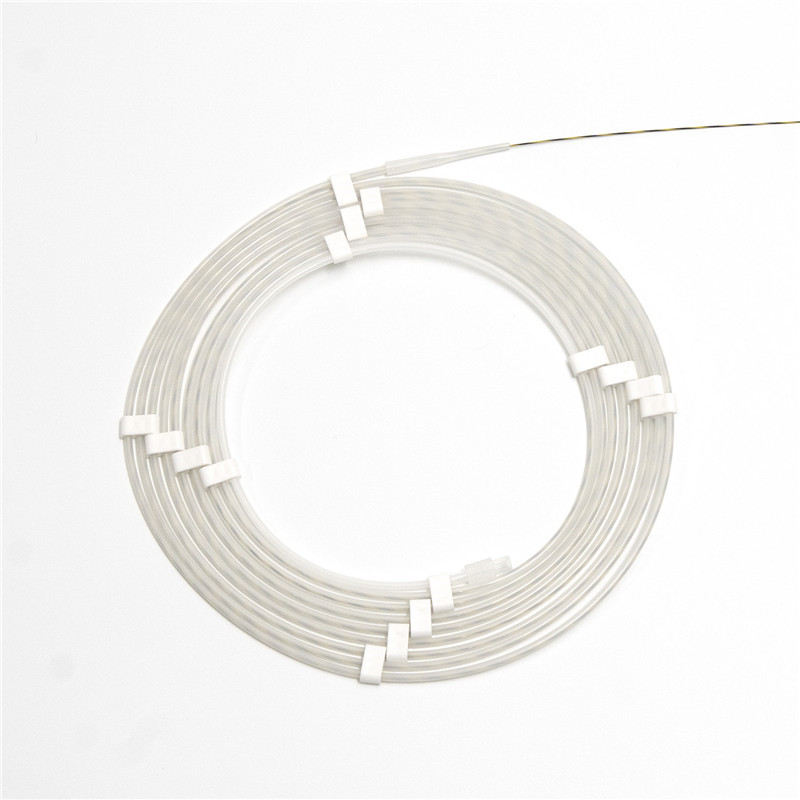
Offering excellent twisting and pushing force.
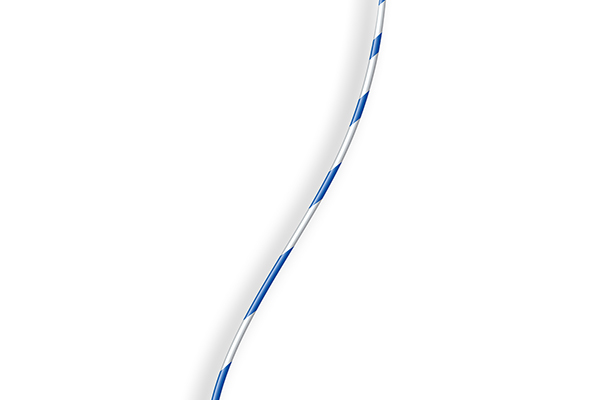
Use the rigidity of ERCP guidewire to change the direction of the duodenal papilla, so that radiography and cutting become smoother, and complications will be reduced. When taking out biliary stones in the liver, let the ERCP guidewire get into the target bile duct, put a lithotomy saccule or net along with the ERCP guidewire, and remove the stone. Meanwhile, before placing a bracket, the key for success is to put the ERCP guidewire into the target bile duct. Without ERCP guidewire rigidity, the work cannot be done.
Providing more control options for doctors.