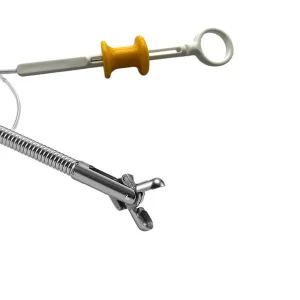
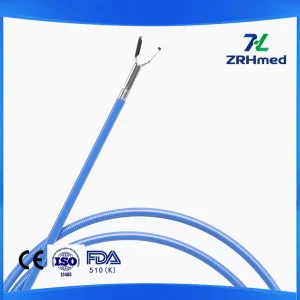
Verified medical-grade titanium alloy and stainless steel consumables engineered for rapid vessel closure, mucosal repair, and tissue retrieval through flexible endoscopy channels.
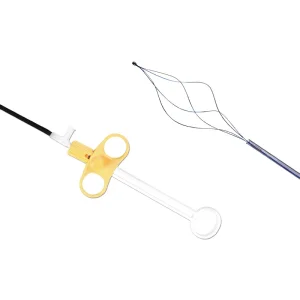
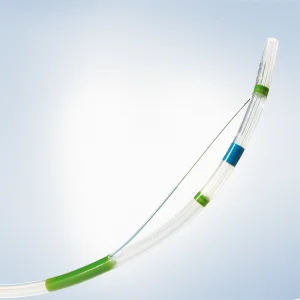
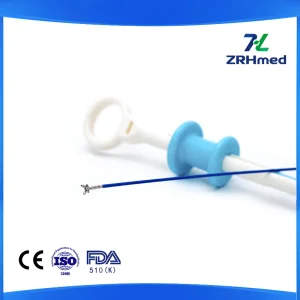
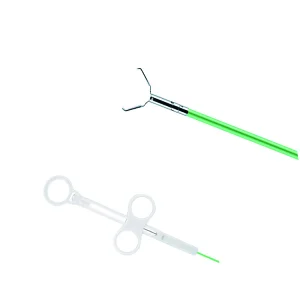
Evaluating clinical demand shifts, regulatory barriers under EU MDR, and the critical transition toward single-use mechanical clipping platforms.
The global endoscopic hemostatic device sector represents one of the fastest-evolving sectors within therapeutic gastrointestinal (GI) endoscopy. Historically dominated by thermal coagulation probes, argon plasma coagulation (APC), and sclerotherapy injection needles, the industry has experienced a massive paradigm shift toward mechanical clipping solutions. The rising incidence of acute upper and lower gastrointestinal bleeding (UGIB and LGIB)—driven by aging demographics, prevalent cardiovascular pharmacotherapies (such as direct oral anticoagulants and dual antiplatelet regimens), and the aggressive expansion of complex endoscopic resections including Endoscopic Mucosal Resection (EMR) and Endoscopic Submucosal Dissection (ESD)—has placed endoscopic hemoclips at the center of modern acute intervention protocols.
According to comprehensive clinical epidemiological data, peptic ulcer bleeding, Dieulafoy’s lesions, Mallory-Weiss tears, and arterial spurting (Forrest Class Ia and Ib lesions) demand instantaneous, mechanically resilient vessel occlusion. Hemostasis clips that fail to provide sufficient clamping force, lack 360-degree rotational responsiveness, or suffer from premature detachment can trigger immediate catastrophic rebleeding, surgical conversions, or patient mortality. As a result, Tier-1 hospitals, regional health authorities, and B2B medical supply procurement teams are prioritizing specialized medical device manufacturers that provide validated CE Certification under Regulation (EU) 2017/745 (MDR). The European Union's stringent transition from MDD to MDR has weeded out marginal manufacturers, enforcing rigorous Post-Market Clinical Follow-up (PMCF), clinical evaluation reports (CER), and unannounced notified body audits.
Nosocomial pathogen cross-contamination associated with complex multichannel flexible endoscopes has accelerated the universal mandate for 100% sterile, single-use endoscopic instruments. While reprocessing reusable forceps incurs immense chemical, labor, and sterilization cycle costs, disposable hemoclips deliver verified sterility while optimizing per-case procedural margins for healthcare institutions.
Notified bodies operating under EU MDR 2017/745 impose unparalleled evidentiary standards regarding mechanical fatigue, biological safety under ISO 10993, and chemical residue mitigation under ISO 11135. Global distributors sourcing from China must ensure OEM partners maintain uncompromised technical files and validated Class IIb certifications to guarantee continuous market clearance.
Beyond immediate emergency hemostasis, prophylactic clipping has become the clinical standard for large colorectal polyp resections (>20mm). Sealing post-EMR and post-ESD mucosal defects prevents delayed secondary bleeding and post-polypectomy syndrome, driving procurement volume from episodic emergency reserves to routine high-volume caseload inventories.
Rigorous anatomical considerations dictating jaw opening widths, rotational torque transmission, and tactile repositionability across gastrointestinal tracts.
| Clinical Scenario | Anatomical Challenge | Required Device Specification | Clinical Objective & Hemostatic Outcome |
|---|---|---|---|
| Spurting Peptic Ulcer (Forrest Ia/Ib) | Fibrotic ulcer base, high arterial pressure (>120 mmHg), compromised visual field due to pooling blood. | Short-hub clip, wide jaw span (11mm–16mm), holding force >5.0 N, fast deployment cycle. | Direct mechanical coaptation of the exposed pumping vessel; absolute arrest of hemorrhage within <60 seconds. |
| Duodenal Bulb Dieulafoy Lesion | Narrow duodenal lumen, tangential scope angles, risk of duodenal wall perforation. | 360-degree synchronized bidirectional rotation, repositionable jaw mechanism, smooth atraumatic tip. | Precise perpendicular grasping of aberrant submucosal artery without grasping the muscularis propria too deeply. |
| Post-ESD Colonic Defect Closure | Broad, thin-walled cecal or ascending colonic bed, mucosal edge retraction, dynamic peristalsis. | Repositionable clip with reopen functionality, high-tensile spring steel, wide span (16mm). | Zipper-like sequential closure of large mucosal defects (up to 40mm) to avert late peritonitis or micro-perforations. |
| Post-Sphincterotomy Bleeding (ERCP) | Papillary mucosal tear, adjacent pancreatic duct orifice, restricted retroflexed duodenoscope position. | Compatible with 2.8mm/3.2mm channels, ultra-flexible insertion tube, non-conductive polymer sheath. | Selective clamping of bleeding papilla margin while meticulously avoiding thermal injury or pancreatic duct occlusion. |
| Diverticular Bleeding (Lower GI) | Inverted diverticulum, thin pseudodiverticular wall, risk of perforation into peritoneal cavity. | Sub-millimeter jaw profile, micro-clip architecture, ultra-low release friction. | Direct dome or neck clipping without transmural puncture, achieving sustained hemostasis without emergent colectomy. |
In emergency endotherapy, speed and mechanical fidelity dictate patient outcomes. A device that binds during rotation through a tortuous retroflexed endoscope induces procedural fatigue and increases perforation hazards. Leading CE-certified endoscopic hemostatic device suppliers engineer their devices around three core biomechanical principles:
From bioabsorbable alloys to integrated sensor-driven robotics—how progressive medical engineering is revolutionizing endoscopic tissue management.
Current permanent surgical clips constructed from grade 304 or 17-7 PH stainless steel can interfere with subsequent surveillance imaging or endoscopic ultrasound (EUS). R&D pipelines are actively advancing bioresorbable magnesium (Mg) and zinc (Zn) alloys engineered to maintain mechanical holding force for 14 days before completely degrading into non-toxic, bioabsorbable salts, completely eliminating foreign-body retention risks.
Next-generation hemostatic platforms combine mechanical compression with localized pharmacological delivery. Micro-textured clip arm cavities loaded with biocompatible thrombin, fibrin sealant, or nanoclay coatings provide dual-action intervention: instant physical vessel tamponade paired with rapid biochemical coagulation cascade induction, effectively reducing rebleeding rates in coagulopathic patients.
As flexible robotic endoscopy systems gain regulatory traction worldwide, endoscopic hemostatic delivery shafts are being redesigned with digital communication interfaces. Smart handpieces featuring integrated force sensors calculate precise tissue impedance and wall thickness, providing real-time tactile feedback to the operator or robotic console to prevent arterial shear while guaranteeing optimal vessel collapse.
Navigating global regulatory landscapes, OEM cleanroom manufacturing tolerances, and end-to-end quality assurance ecosystems.
Global distributors, hospital buying consortiums, and specialized private-label brand owners face complex logistical, regulatory, and quality challenges when procuring endoscopic consumables. A single quality non-conformity—such as clip jaw detachment within an endoscope working channel or packaging seal breach leading to non-sterility—can halt multi-million-dollar supply contracts, trigger catastrophic patient outcomes, and initiate severe regulatory sanctions from bodies like the European Medicines Agency (EMA) or US FDA.
To eliminate operational vulnerability, certified Chinese contract manufacturing partners have transitioned from simple assembling facilities to state-of-the-art medical technology campuses. Cleanroom environments certified to ISO Class 8 (Class 100,000), automated vision-guided laser welding systems, and 100% computerized pull-force testing stations ensure that every endoscopic hemostasis clip, snare, and sphincterotome conforms to micro-millimeter engineering drawings.
Collaborating with an established, vertically integrated manufacturing partner provides unmatched technical flexibility:
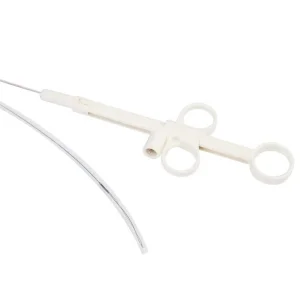
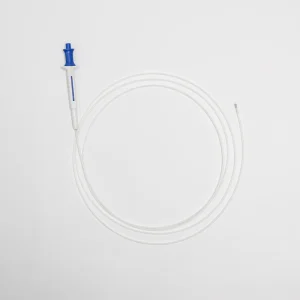
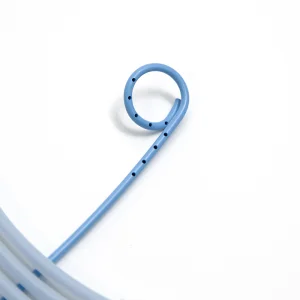
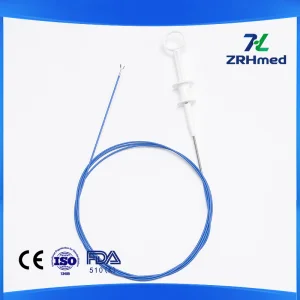
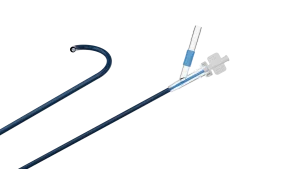
Integrated portfolio spanning mucosal lifting needles, cold polypectomy snares, biliary drainage systems, and suction ureteral access devices.
Expert answers addressing regulatory verification, mechanical performance criteria, channel compatibility, and sterilization safety.
Under EU MDR, endoscopic hemostatic clips are typically classified as Class IIb medical devices (or Class IIa depending on intended duration of mucosal contact and invasiveness). CE certification demands far more than basic ISO 13485 QMS adherence. It mandates an exhaustive Technical Documentation file audited by an accredited EU Notified Body, demonstrating rigorous biocompatibility under ISO 10993 (cytotoxicity, sensitization, intracutaneous reactivity, and subchronic toxicity), validated Ethylene Oxide sterilization aeration validation under ISO 11135, comprehensive risk analysis under ISO 14971, and a robust Clinical Evaluation Report (CER) backed by Post-Market Clinical Follow-up (PMCF) to establish persistent safety and clinical benefit in real-world hospital procedures.
The primary engineering differentiators lie in torque fidelity, repositionability, and holding tension. Premium devices utilize high-tensile multi-strand torque cables inside a low-friction polymer sheath, ensuring true 1:1 rotational responsiveness even through a 180-degree scope retroflexion. Low-cost clips frequently suffer from 'rotational whipping' (sudden uncontrolled release of stored torque). Furthermore, superior clips feature precision-machined cam surfaces that allow multiple opening and closing cycles without mechanical hysteresis, coupled with a minimum clamping force exceeding 5.0 Newtons to ensure firm arterial lumen closure without cutting prematurely through friable mucosal walls.
Most single-use endoscopic hemoclips feature an outer catheter diameter ranging from 2.5 mm to 2.7 mm, designed specifically for standard therapeutic working channels of ≥ 2.8 mm internal diameter (ID). For specialized colonoscopes or dual-channel intervention scopes with 3.2 mm or 3.7 mm channels, these devices pass with virtually zero insertion resistance. Before ordering, hospital procurement teams must verify the compatibility between the device sheath outer diameter, total working length (1650mm for gastroscopy; 1950mm–2300mm for colonoscopy/enteroscopy), and the specific endoscope model inventory in service.
Yes. Premier CE-certified hemoclips manufactured from surgical-grade titanium alloys or non-ferromagnetic stainless steel alloys (such as Phynox or medical-grade 316L/17-7 PH) are evaluated for MRI safety. Under ASTM F2052, ASTM F2213, and ASTM F2119 testing protocols, these clips are verified as MR Conditional, typically safe for magnetic resonance imaging systems operating at 1.5 Tesla and 3.0 Tesla under defined specific absorption rate (SAR) thresholds, preventing RF-induced displacement, magnetic torque hazards, or severe imaging artifacts.
Clinical studies demonstrate that an appropriately selected and deployed hemoclip remains anchored to the submucosal layer for an average of 10 to 28 days. This window is sufficient for the targeted vessel to undergo complete thrombotic occlusion, tissue remodeling, and epithelialization. Once mucosal necrosis naturally occurs at the clamped tissue core, the clip spontaneously dislodges and passes harmlessly through the gastrointestinal tract via regular peristalsis.
Comprehensive OEM/ODM agreements cover private-label blister packaging, user manuals (IFU) translated into regional official languages complying with MDR language regulations, custom barcoding (GS1 DataMatrix for UDI compliance), and direct supply of technical construction files. For distributors navigating national health ministry registrations (such as ANVISA in Brazil, COFEPRIS in Mexico, or TGA in Australia), dedicated regulatory affairs teams provide legalized Free Sale Certificates (CFS), ISO 13485 declarations, sterilization validation summaries, and stability test reports to expedite local market approval.
