1 / 5
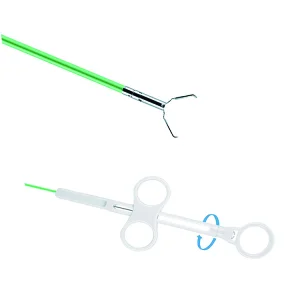
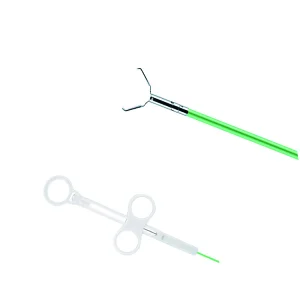
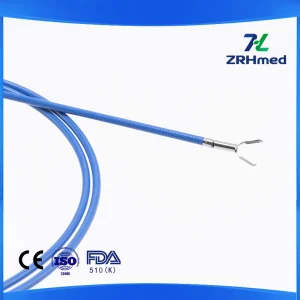
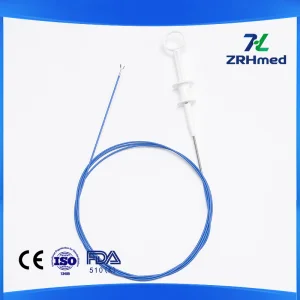
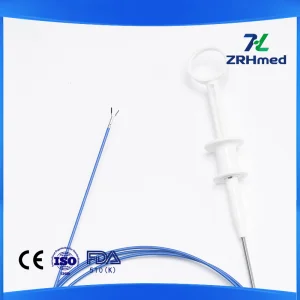
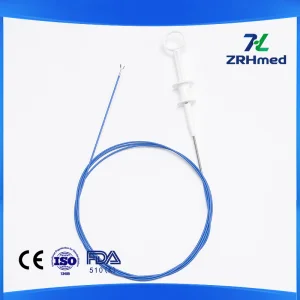
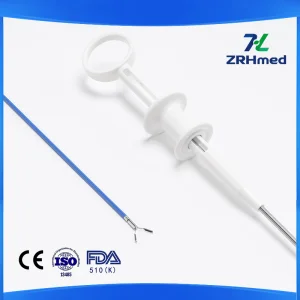
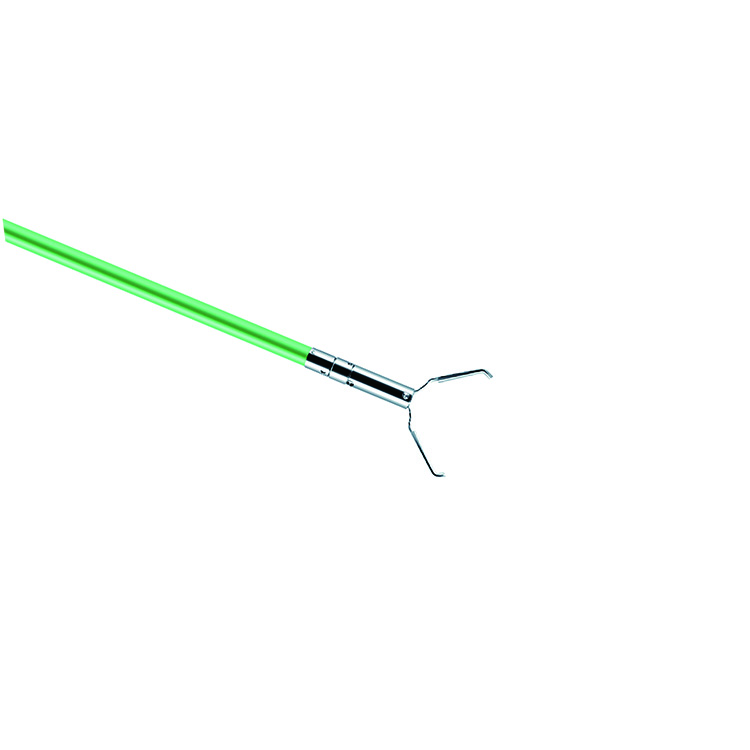
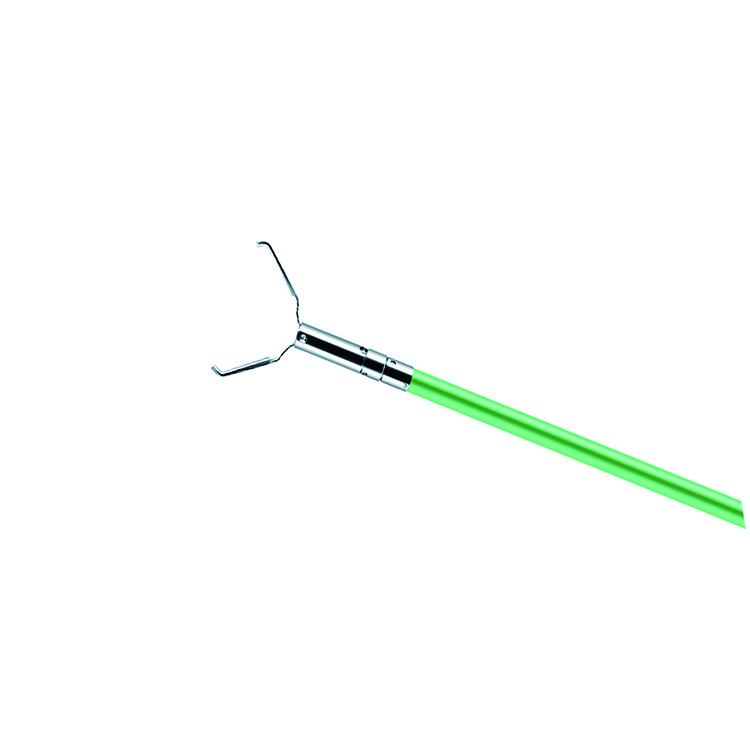
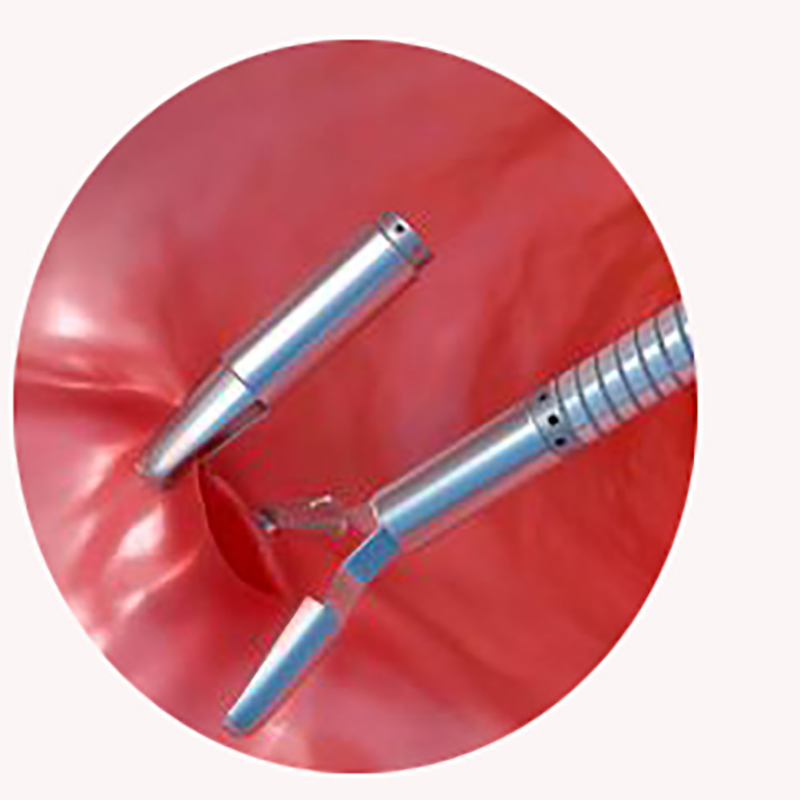
An endoclip is a device used during an endoscopy to treat bleeding in the digest tract without the need for surgery and stitches. After removing a polyp or finding a bleeding ulcer during the endoscopy, a doctor may use an endoclip to join the surrounding tissue together to reduce your risk of bleeding.
| Model | Clip Opening Size(mm) | Working Length(mm) | Endoscopic Channel(mm) | Characteristics |
|---|---|---|---|---|
| ZRH-HCA-165-9-L | 9 | 1650 | ≥2.8 | Gastro/Colon (Uncoated) |
| ZRH-HCA-165-12-L | 12 | 1650 | ≥2.8 | |
| ZRH-HCA-165-15-L | 15 | 1650 | ≥2.8 | |
| ZRH-HCA-235-9-L | 9 | 2350 | ≥2.8 | |
| ZRH-HCA-235-12-L | 12 | 2350 | ≥2.8 | |
| ZRH-HCA-235-15-L | 15 | 2350 | ≥2.8 |
The Endoclip can be placed within the Gastro-intestinal (GI) tract for the purpose of hemostasis for:
This clip can be used as a supplementary method for closure of GI tract luminal perforations < 20 mm or for endoscopic marking.
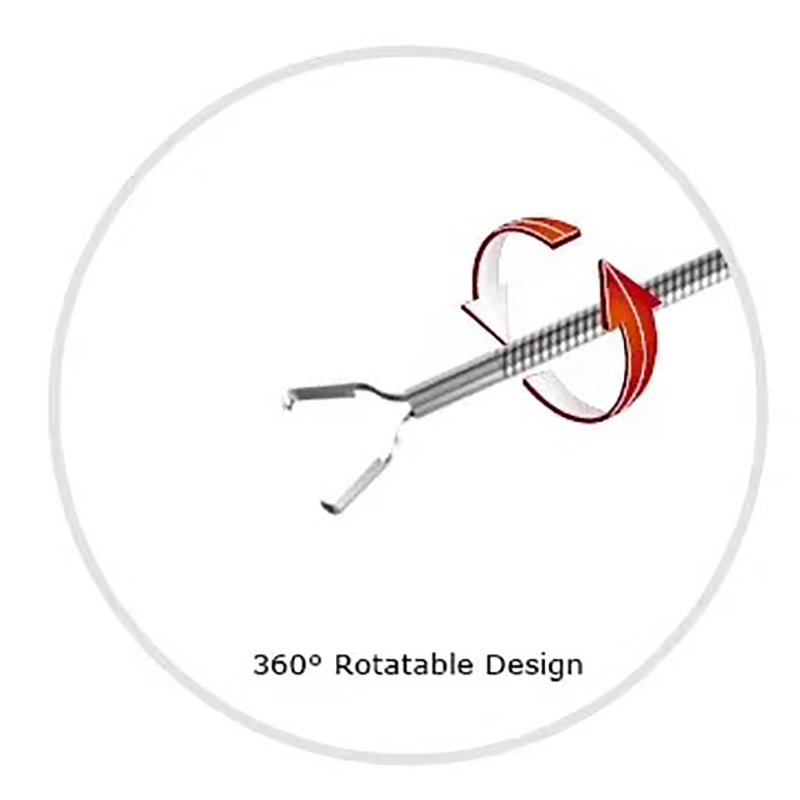
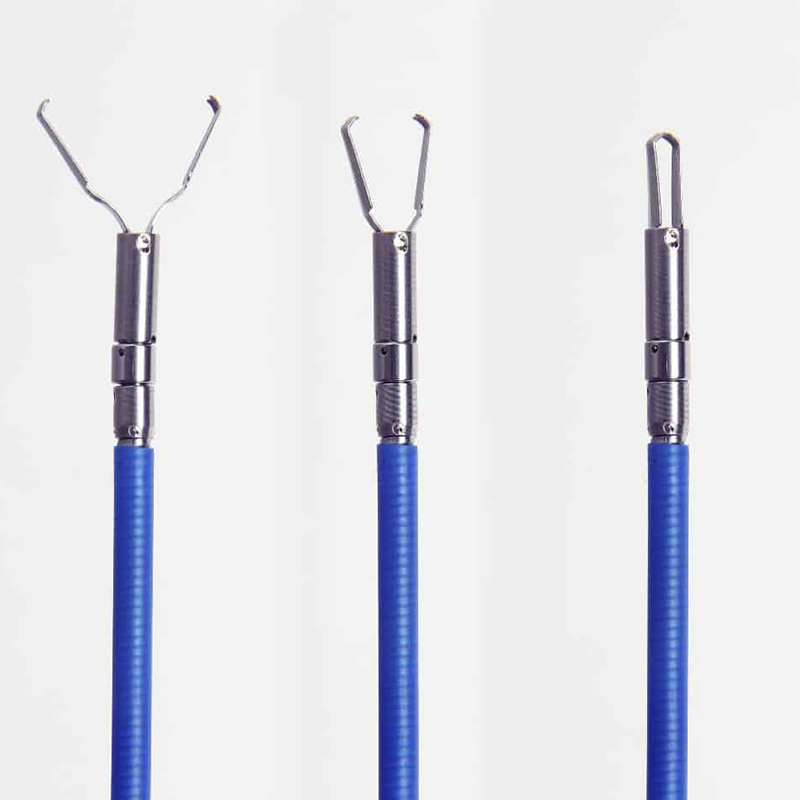
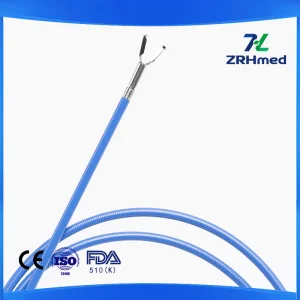
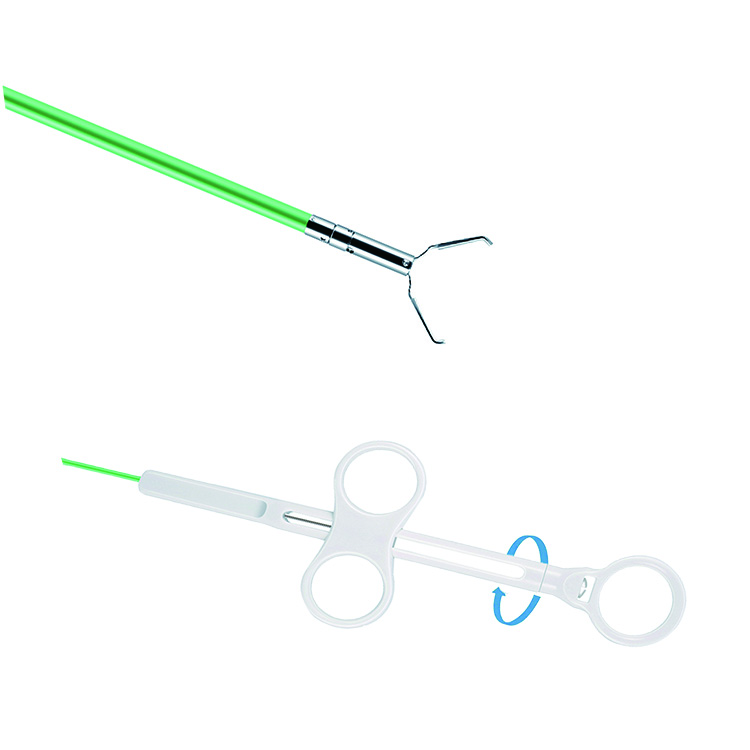
360°Rotatable Clip Design: Offer a precise placement.
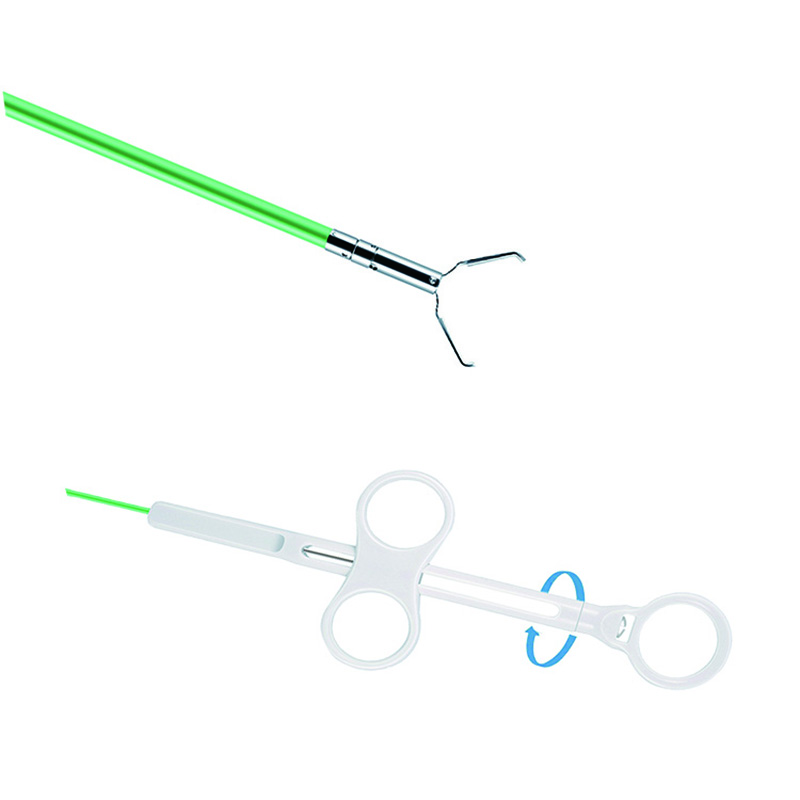
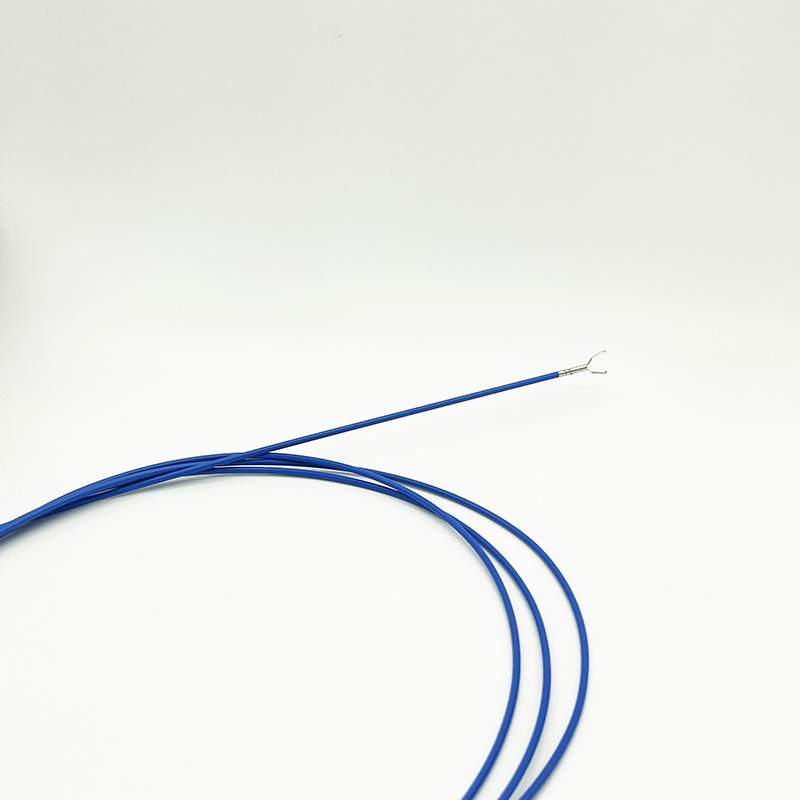
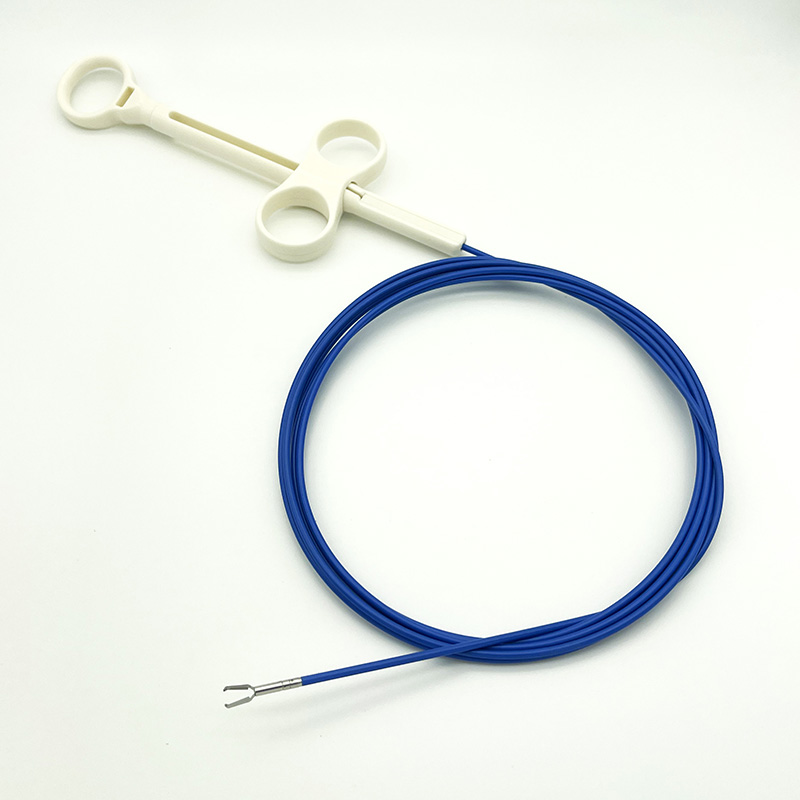
Originally the clips were designed to be placed on a deployment device that could be reused, and deployment of the clip resulted in the need to remove and reload the device after each clip application. This technique was cumbersome and time-consuming. Endoclips are now preloaded and designed for single use. Hachisu reported permanent hemostasis of upper gastrointestinal bleeding in 84.3% of 51 patient treated with hemoclips.
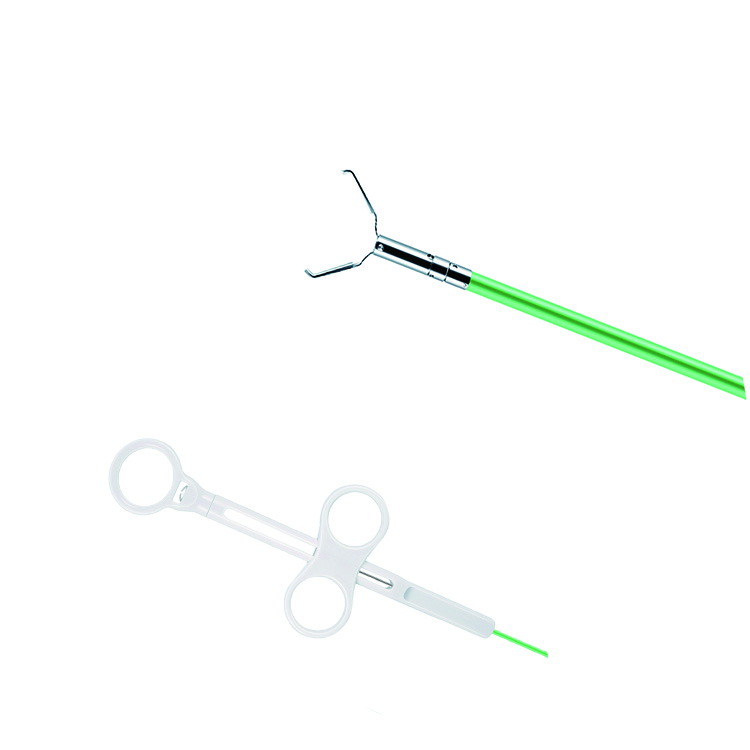
Repeated Opening and Closing Clip: for a accurate positioning.
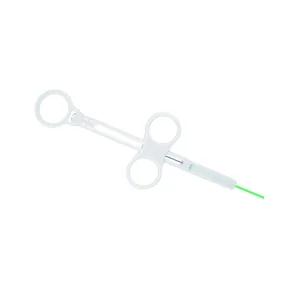
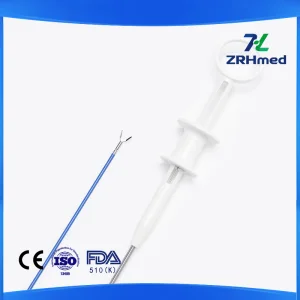
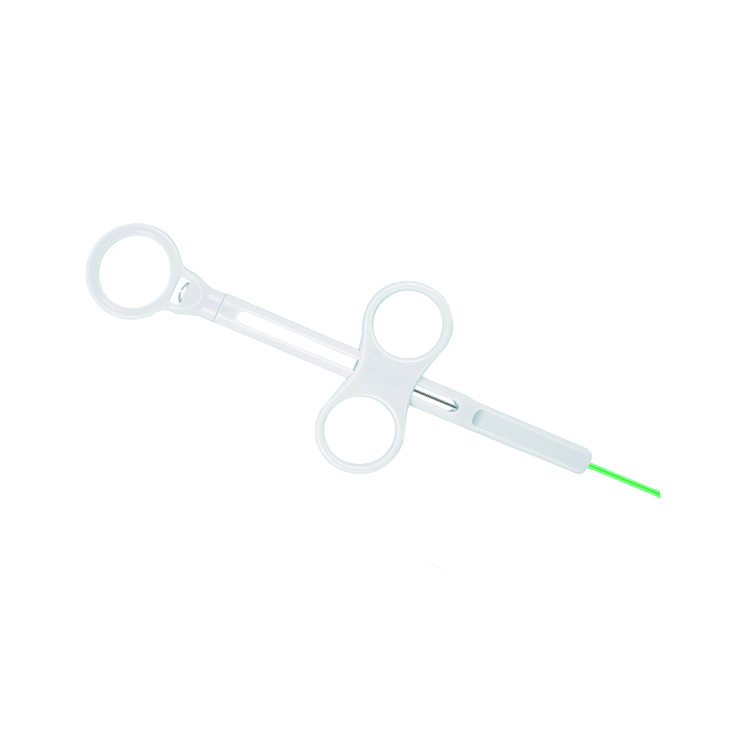
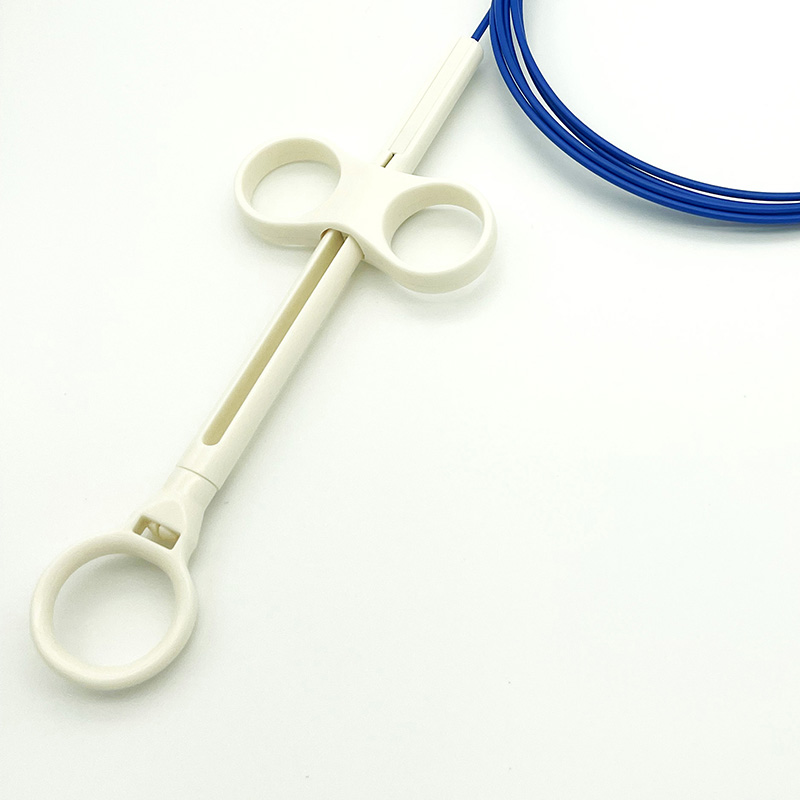
Ergonomically Shaped Handle: User Friendly Safety. Endoclips have been seen to dislodge between 1 and 3 weeks from deployment, although lengthy clip retention intervals of as high as 26 months have been reported.