Engineered to optimize clinical trajectory during retrograde intrarenal surgery (RIRS) and advanced gastrointestinal therapeutic procedures. Direct OEM/ODM turnkey production.
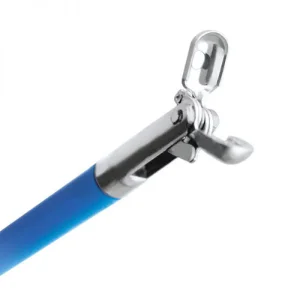
ODM Surgical Flexible Endoscpopic Hot Biopsy Forceps without Needle Manufacturers, Supplier
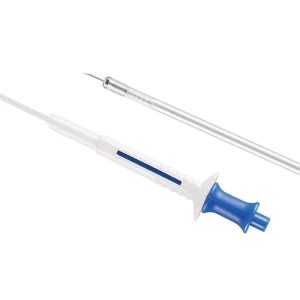
OEM Gastroenterology Accessories Endoscopic Sclerotherapy Injection Needle Supplier, Suppliers
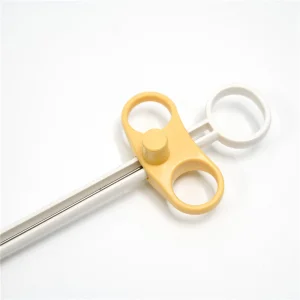
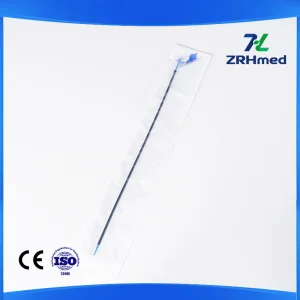
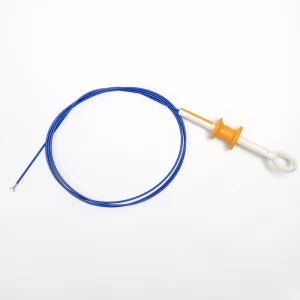
High-Quality Disposable 360 Degree Rotatable Biopsy Forceps Broncospy Supplier, Suppliers
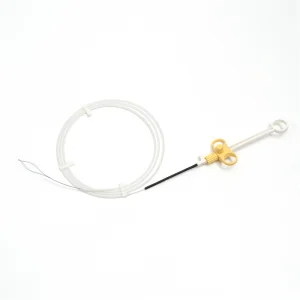
OEM Gastroscope Accessories Diamond Shaped Stone Extraction Basket for Ercp Supplier, Suppliers
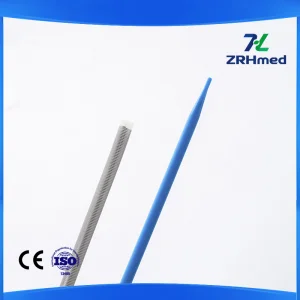
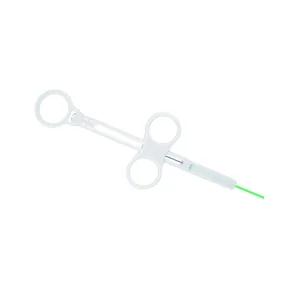
From rigid helical designs to superelastic nitinol micro-cages: Addressing lower pole caliceal entrapment, scope deflection loss, and continuous intrarenal perfusion dynamics.
Traditional stone retrieval devices operating at 2.2Fr to 3.0Fr impose significant friction inside modern flexible ureteroscope channels (typically 3.6Fr). This caliber mismatch reduces scope tip deflection by up to 38% and compromises irrigation fluid flow by over 65%, escalating intrarenal temperatures during laser lithotripsy.
Next-generation ODM flexible ureteroscopy stone baskets utilize micro-sheaths ranging from 1.5Fr to 1.8Fr, engineered from lubricious fluoropolymer matrices (PTFE/FEP). This enables complete 270° bi-directional scope deflection, facilitating stone capture within challenging lower caliceal pockets while maintaining continuous optical clarity.
Standard wire baskets with distal tips carry an inherent risk of mucosal avulsion, mucosal perforation, and caliceal urothelial trauma when deployed against the renal pelvic wall. The tipless architecture allows the basket wires to open directly flush against the caliceal floor, enabling direct "grasp-and-lift" engagement of caliceal stones.
Caliceal repositioning demands exact rotational alignment. Inferior retrieval baskets suffer from delayed torque transmission, causing sudden whiplash movements that disrupt the stone fragment or dislodge access. High-performance ODM engineering incorporates proprietary multi-strand wire braiding along the torque core.
This design delivers a verified 1:1 radial torque response at the basket head, allowing surgical operators to achieve micro-rotational adjustments around fragments with zero tactile delay, even under acute retroflexion in inferior renal calices.
Evaluating cleanroom infrastructure, automated micro-welding validation, lot-level traceability, and OEM supply chain resilience for tier-1 distributors and hospital tender syndicates.
In national and multi-center hospital procurement evaluations, stone baskets are audited rigorously on basket tensile strength, release force (to prevent stone entrapment), and scope sheath abrasion. OEM partners that fail to document automated weld integrity or sheath coefficient of friction face high sample disqualification rates during clinical trials.
Every single batch produced under our ODM framework is backed by a serialized Device History Record (DHR). Raw nitinol alloy melts undergo certified chemical composition validation (ASTM F2063) to verify austenite finish (Af) temperatures.
The connection juncture between the pull wire and the micro-basket cage is the primary failure vector. We employ computer-controlled micro-laser pulse welding under inert argon shrouds, eliminating thermal oxidation and preserving parent metal grain structure.
Ergonomic hand fatigue is a major complaint during complex 2-hour Retrograde Intrarenal Surgery (RIRS) sessions. Our ODM platforms offer customizable one-handed actuation handles with fine-pitch tactile thumb-sliders, integrated rotation rings, and removable locking pins.
Packaged in medical-grade Tyvek-mylar thermoformed sterile barrier pouches compliant with ISO 11607-1/2. Validated for 3-year and 5-year accelerated aging stability under standard ethylene oxide (EO) residual controls conforming to ISO 11135.
Evaluating the functional interoperability between flexible stone baskets, vacuum-assisted access sheaths, and high-power holmium / thulium fiber lasers.
| Performance Characteristic | Legacy Helical / Tipped Baskets | Standard OEM 1.9Fr-2.2Fr Baskets | Advanced ODM 1.5Fr Tipless Micro-Baskets |
|---|---|---|---|
| Caliceal Access Safety | Distal tip risks caliceal mucosal tearing | Moderate risk; stiff distal transition | Atraumatic Flush Caliceal Capture |
| Channel Irrigation Flow Rate | Severe drop (>70% reduction in saline flow) | 45% to 55% reduction in saline flow | < 20% Reduction; Preserves High Flow |
| Flexible Scope Deflection | Limits deflection to ~180°–210° | Maintains ~230°–245° deflection | Full 270° Unrestricted Deflection |
| Laser Lithotripsy Resistance | Wires degrade easily upon accidental laser pulse | Moderate heat damage threshold | High-Purity Nitinol Resists Micro-Cracking |
| Emergency Disengagement | High entrapment risk on large calyceal stones | Manual forced release via handle disassembly | Controlled Wire Expansion Release Architecture |
Rigorous regulatory alignment ensuring frictionless market clearance across Europe, North America, Latin America, and Asia-Pacific healthcare jurisdictions.
Under the enhanced European Medical Device Regulation (MDR), invasive surgical accessories demand comprehensive Clinical Evaluation Reports (CER) and Post-Market Clinical Follow-up (PMCF) plans. Our contract manufacturing dossiers provide full Notified Body audit readiness.
For US market entrants, our device architectures follow established predicate devices under product code FDL (Dislodger, Stone, Flexible). We support OEM private-label sponsors with comprehensive bench testing data.
Manufactured within certified ISO Class 7 (Class 10,000) cleanrooms with continuous airborne particle counters, laminar flow assembly workstations, and monitored bioburden levels. Quality assurance personnel conduct real-time statistical process control (SPC).
Complementary surgical tooling manufactured to identical micro-tolerance specifications, providing consolidated supply chain procurement for international distributors.
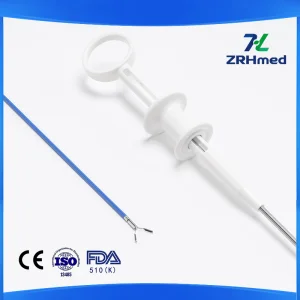
ODM Endoscopic Hemoclip – Reliable GI Hemostasis & Wound Closure Manufacturers, Suppliers
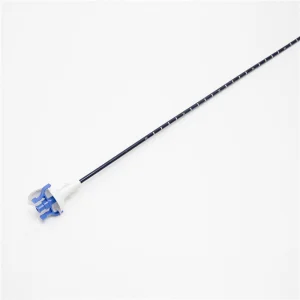
ODM Medical Supplies Hydrophilic Coated Ureteral Access Sheath Introducer Sheath Suppliers, Factory
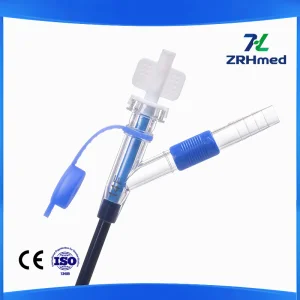
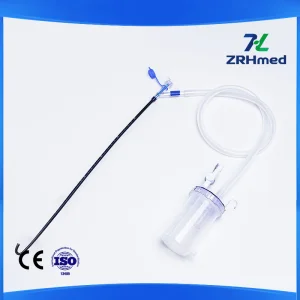
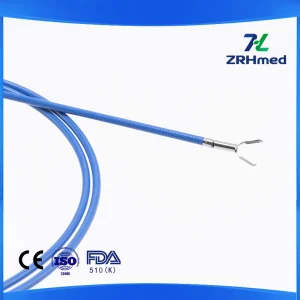
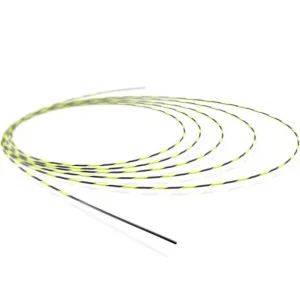
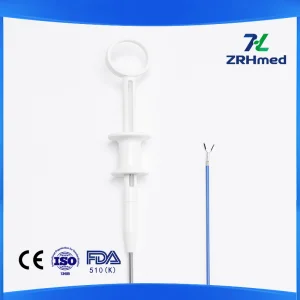
High-Quality Disposable Endoscopic Hemoclip for Gastroscope Suppliers, Factories
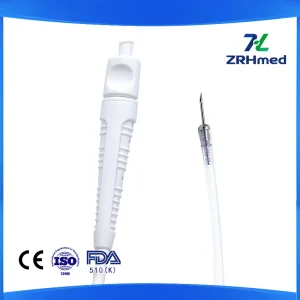
OEM Disposable Injection Needle for Endoscopy Suppliers, Factories
Pioneering smart materials, active deflection mechanisms, and vacuum-coupled fragment evacuation technologies for next-generation endourological interventions.
As single-use flexible ureteroscopes downsize to 7.5Fr outer diameters with 3.0Fr working channels, our R&D is commercializing 1.2Fr ultra-micro baskets. Utilizing advanced nitinol wire-drawing techniques, these micro-systems preserve high radial expansion force while enabling simultaneous laser fiber co-passage.
Addressing the limitations of passive stone extraction, our advanced pipeline integrates micro-basket capture with negative pressure ureteral access sheaths. This design facilitates active suction through the basket working sheath, expediting gravel clearance without repeated scope re-entries.
Investigating paramagnetic coatings on nitinol wires for targeted capture of micro-dusting particles generated during high-frequency thulium laser lithotripsy. Adaptive cage geometries flex automatically when encountering caliceal neck resistance to protect delicate renal architecture.
Direct technical and commercial answers regarding minimum order quantities, customization parameters, sheath coatings, and sterilization protocols.
Partner with an accountable medical device manufacturer dedicated to precision engineering, validated quality control, and rapid global supply chain execution. Request technical drawings, quotation sheets, or clinical evaluation samples today.