
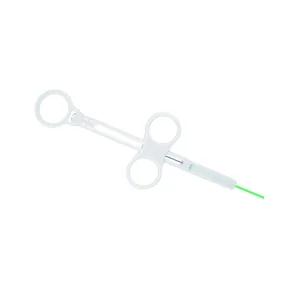
Manufactured in ISO 13485 cleanroom facilities under strict micro-tolerances. Designed for seamless deployment through flexible endoscopic instrumentation.
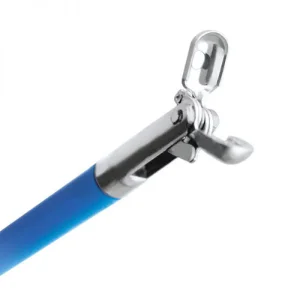
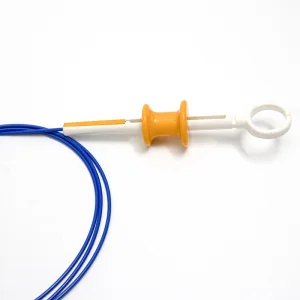
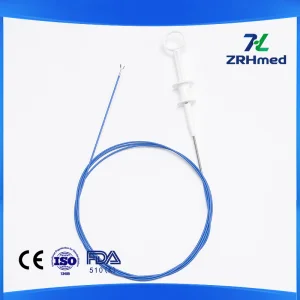
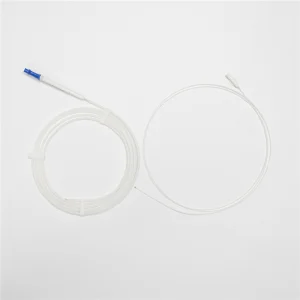
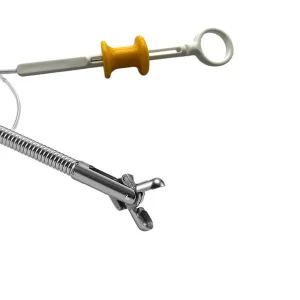
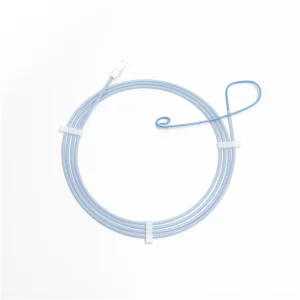
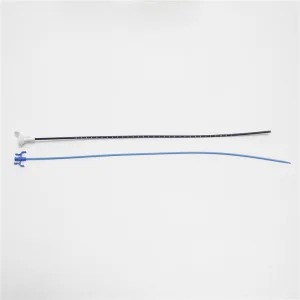
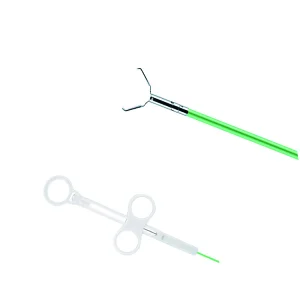
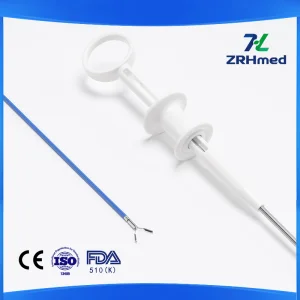
Acute non-variceal upper gastrointestinal bleeding (NVUGIB) remains a critical clinical challenge worldwide, with peptic ulcer lesions, Dieulafoy's lesions, Mallory-Weiss tears, and post-polypectomy/EMR/ESD mucosal defects representing substantial morbidity. In this clinical landscape, endoscopic clip application has advanced from simple coaptive compression into high-precision, tissue-sparing mechanical reconstruction. As an authoritative ODM hemoclips for GI bleed factory, ZhuoRuiHua Medical analyzes how advanced metallurgy, micro-mechanical torque transmission, and tactile operational control have converged to elevate standard-of-care hemostasis.
Hospital purchasing groups, specialized distributors, and multinational medical device brands require stringent compliance and verified manufacturing accountability. Sourcing endoscopic hemoclips is governed by explicit mechanical and biological benchmarks:
Endoscopists demand clips capable of full 360-degree bidirectional rotation, synchronized 1:1 torque responsiveness through tortuous anatomical positioning (such as the duodenal bulb or retroflexed gastric fundus), repeatable opening-closing cycles prior to release, and ultra-short retained residual stems to prevent scope lens abrasion or premature secondary detachment. For global OEMs, supplier viability is determined not merely by unit costs, but by cleanroom automation consistency, lot-to-lot clamping force repeatability (>8N clamping retention), and biocompatible nitinol/austenitic stainless steel integrity under prolonged exposure to digestive fluids.
Historic hemoclip iterations suffered from inadequate jaw span, accidental premature deployment, and mechanical drift during handle lockup. Engineering advancements developed at our centralized production facility mitigate these critical challenges through distinct structural interventions:
By implementing finite element modeling (FEM) on clip arms, our micro-laser profile cutting ensures consistent radial spring-back and uniform tissue distribution across mucosal margins. In tandem, custom hydrophilic outer coil sheaths optimize tactile lubrication, allowing effortless passage through working channels as small as 2.8 mm even at maximum scope deflection angles.
Multi-layered engineering parameters guaranteeing surgical reliability across critical endoscopic operations.
Fabricated using medical-grade surgical alloy formulation, delivering optimal balance between tensile holding power and elastic resilience to accommodate edematous tissue fluctuations without necrosis.
Ultra-low backlash transmission wire architecture allows synchronous rotational torque from surgeon handpiece to distal clip tips, ensuring precise target positioning at extreme endoscope deflection angles.
Automated assembly modules in Class 100,000 cleanrooms mitigate micro-particulate contamination. 100% optical sensor validation verifies jaw alignment, locking thresholds, and sheath smoothness.
Empowering global distributors with complete technical documentation dossiers for swift customs clearance, tender eligibility, and in-country regulatory approvals.
Pioneering the next era of endoscopic closure through advanced materials science and intelligent feedback mechanisms.
Expansion of opening widths up to 16 mm with ultra-compact body geometry for enhanced full-thickness closure without sacrificing channel pushability.
Integration of magnesium-alloy and bio-absorbable polymer elements designed to maintain reliable vascular coaptation for 3 weeks, followed by spontaneous mucosal sloughing.
Surface coating technologies enabling micro-dosed delivery of localized pro-coagulant factors directly at bleeding vessel stumps during mechanical closure.
Micro-electronic torque sensing handles that alert endoscopists via subtle haptic pulses upon attaining optimum tissue holding pressure prior to irreversible locking.
Definitive technical and operational responses for distributors, OEM brand owners, and hospital purchasing directors.
Our portfolio covers 19 device categories across six clinical pathways: tissue sampling (biopsy forceps, hot biopsy forceps, cytology brushes), hemostasis (hemoclips, endoclips), EMR/ESD (polypectomy snares, injection needles), ERCP (sphincterotomes, hydrophilic guidewires, biliary drainage catheters), urology (negative-pressure ureteral access sheaths, nitinol stone extractors) and reprocessing accessories (bite blocks, cleaning brushes). All instruments are produced under rigorous cleanroom conditions in Jiangxi, China.
Yes. As a recognized ODM hemoclips for GI bleed factory, we provide complete private-label engineering, including customized outer coil sheath lengths (1650 mm to 2300 mm), jaw opening configurations (9 mm, 11 mm, 13 mm, 16 mm), specific color-coded handle branding, multi-language blister pack labeling, and bulk unbranded shipments for regional sterile repackaging.
Confirm the minimum endoscope working-channel diameter (e.g., 2.8 mm vs. 3.2 mm), required working length, target clinical procedure (upper GI, lower GI, or enteroscopy), jaw rotation mechanics (repositionable vs. fixed), sterilization method (validated EO), and local market registration requirements (CE, FDA, NMPA, ANVISA). Our engineering group provides detailed model specification sheets prior to formal contracting.
We provide full verification packs on demand, including ISO 13485:2016 quality management certificates, CE MDR conformity documentation, ISO 10993 cytotoxicity, sensitization, and intracutaneous irritation reports, accelerated aging test validations, and sterilization batch records. Reach out to our technical support team at [email protected] or [email protected] to initiate SKU-specific verification.
We regularly participate in premier global gastroenterology conferences and medical device exhibitions, including CMEF (China International Medical Equipment Fair), Medica in Düsseldorf, and SBAD (Brazilian Digestive Disease Week). Direct factory audits and live cleanroom tours can be arranged at our Jiangxi manufacturing center upon appointment.
Pre-clinical animal trials and clinical surveillance verify an average mucosal retention timeframe ranging between 12 to 24 days. This window provides ample time for complete tissue re-epithelialization and vascular sealing across ulcer beds and EMR mucosal defects prior to natural physiological detachment.
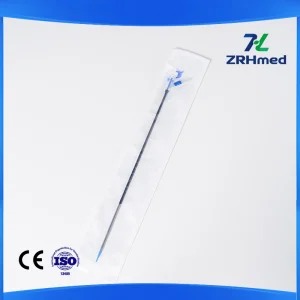
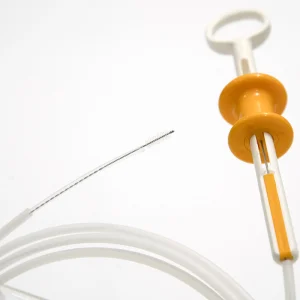
Expanding clinical capability with specialized stone extraction, access sheaths, cold polypectomy snares, and diagnostic cytology instruments.
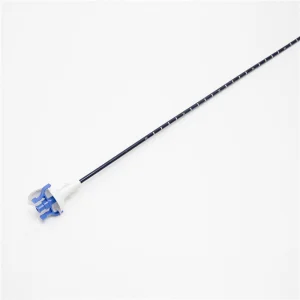
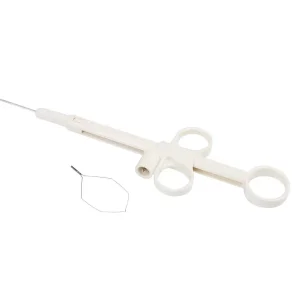
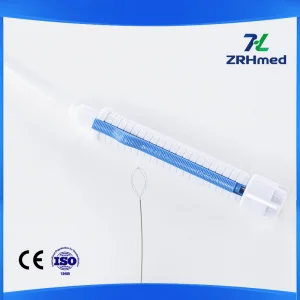
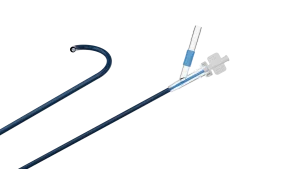
Contact our endoscopy technical engineering department for sample evaluation kits, OEM channel fit specifications, or regional hospital tender dossier alignment.