
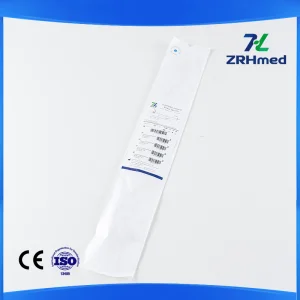
CE Certification High Stone Free Rate Disposable Suction Sheath Ureteral Access Sheath with Vacuum Port for Complex Renal Stones Manufacturers, Suppliers
Product Specifications
Precision-manufactured intervention instruments with comprehensive ISO 13485 certification, optimized for gastrointestinal endoscopy and endourological interventions.
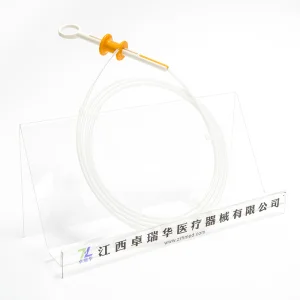
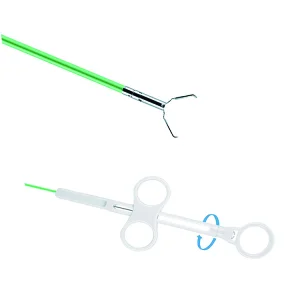
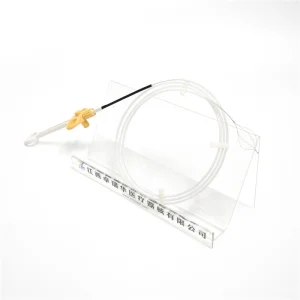
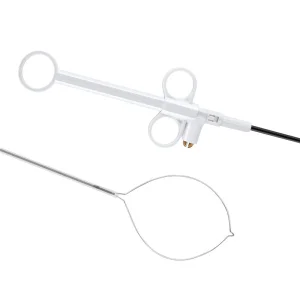
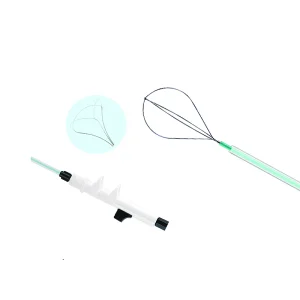
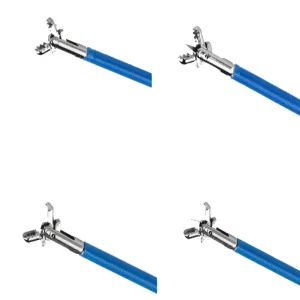
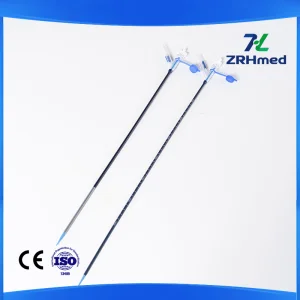
Evaluating macroeconomic trends, procedural shift toward outpatient clinics, and the imperative for OEM mechanical reliability in minimally invasive GI interventions.
With the global rise in colorectal cancer screenings, endoscopic mucosal resections (EMR), and endoscopic submucosal dissections (ESD), the consumption of single-use hemoclips has surged beyond 85 million units annually, necessitating automated manufacturing scale and strict lot uniformity.
Global healthcare authorities have shifted decisively toward pre-sterilized, single-use endoscopic instruments. Disposable hemoclips completely eliminate the complex cleaning validation cycles and cross-contamination hazards previously linked to early reusable applicator systems.
Medical device brands are divesting from fragmented sub-assembly outsourcing, prioritizing full-chain OEM/ODM contract manufacturers capable of housing cleanroom stamping, wire-drawing, micro-laser welding, and automated packaging under unified ISO 13485 environments.
Engineered to secure immediate mechanical hemostasis and full-thickness approximation across complex upper and lower digestive tract conditions.
Direct mechanical tamponade of bleeding peptic ulcers (Forrest Ia and Ib classifications), Dieulafoy lesions, and Mallory-Weiss tears. Provides instant vascular compression without inducing the thermal tissue necrosis associated with electrocoagulation probes.
Prophylactic closure of deep mucosal and submucosal tissue defects in the duodenum and right colon. Prevents severe delayed post-polypectomy hemorrhaging (PPH) and chemical peritonitis by providing durable mucosal edge apposition.
Emergency closure of luminal perforations smaller than 10-15mm occurring during therapeutic interventions. Facilitates tight margin apposition, bridging mucosal defects and preventing the need for surgical laparotomy conversion.
How leading OEM factories integrate precision micro-machining, metallurgical control, and cleanroom assembly to ensure flawless clinical execution.
Utilization of high-tensile austenitic stainless steels or shape-memory nitinol alloys to guarantee resilient clamping pressure (>1.2N) without permanent mechanical fatigue prior to intentional locking deployment.
Incorporation of multi-filar braided stainless steel catheter sleeves providing 1:1 torque transmission. Enables effortless 360° rotation even when passing through retroflexed endoscope positions.
Micro-locking cam mechanisms permitting repeated opening and closing cycles before final tactile release. Gives endoscopists unconstrained precision to adjust mucosal grasping orientation.
Automated Class 100,000 cleanroom assembly, optical measurement system inspection, and ethylene oxide (EO) sterilization compliant with EN ISO 11135 and ISO 10993 cytotoxicity parameters.
Overcoming regulatory hurdles, supply chain risks, and private-label customization through full-lifecycle engineering support.
Flexible customization of jaw opening widths (9mm, 11mm, 13mm, and 16mm mega-clips) and catheter working lengths (1650mm to 2300mm) matching standard pediatric and therapeutic gastroscopes/colonoscopes.
Comprehensive technical documentation suites for MDR 2017/745, US FDA 510(k), and regional MDSAP frameworks. Full test reports for biocompatibility, aging, tensile release, and packaging integrity.
Medical-grade Tyvek blister pouches and export carton artwork tailored to regional hospital branding. Includes custom UDI-compliant barcode generation and sterile barrier integrity testing.
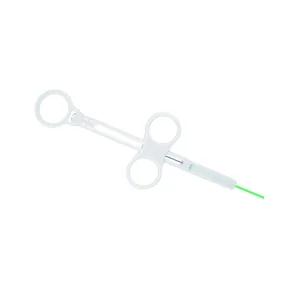
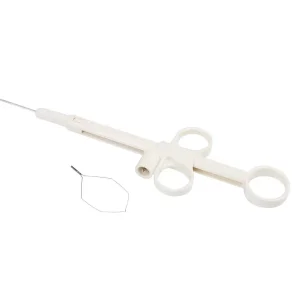
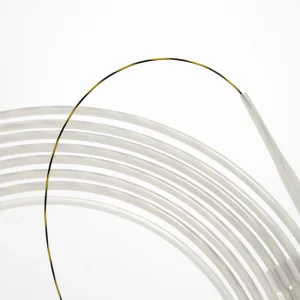
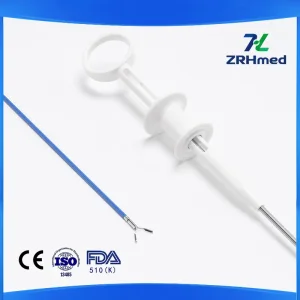
Explore our full line of compatible endotherapy instruments engineered to high clinical tolerances for consistent diagnostic and surgical results.
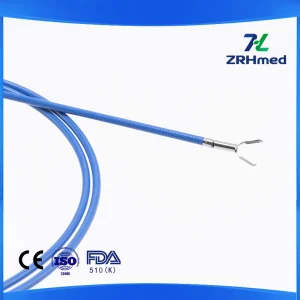
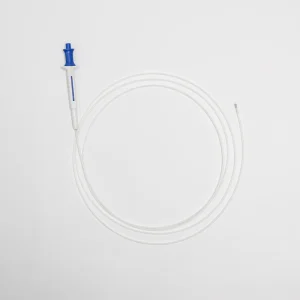
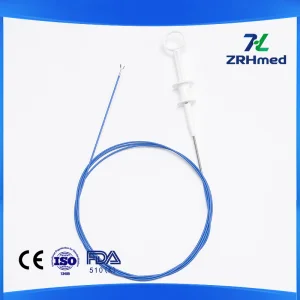
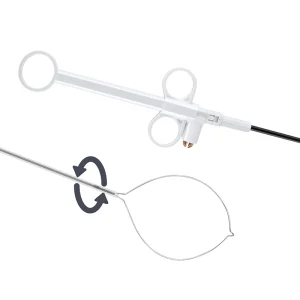
Key technical specifications, regulatory verifications, and operational workflows addressed for medical device distributors and sourcing managers.