
Pre-sterilized, precision-machined diagnostic and therapeutic accessories engineered to eliminate cross-contamination and streamline clinical workflows.
Analyzing the global migration toward single-use instrumentation across health systems, regional tender structures, and nosocomial infection reduction programs.
Complex reusable endoscope lumina present significant bioburden and biofilm risks. Leading hospital accreditation boards actively mandate or incentivize single-use alternatives for diagnostic and resection accessories to mitigate multidrug-resistant outbreaks.
Reprocessing reusable devices incurs hidden expenses: chemical disinfectants, automated endoscope reprocessors (AER), specialized labor, routine microbiological surveillance, and liability. Single-use consumables transform volatile variable costs into transparent procedural fixed margins.
The implementation of Regulation (EU) 2017/745 (MDR) requires exhaustive clinical evaluation reports (CER), stringent Post-Market Clinical Follow-up (PMCF), and comprehensive technical documentation for hospital supply chains, filtering out sub-standard vendors.
Combining vertically integrated component fabrication, Class 100,000 cleanrooms, and automated testing rigs to deliver cost-competitive medical solutions without technical compromise.
Proprietary micro-machining of surgical 304/316L stainless steel and shape-memory Nitinol alloys enables custom loop geometries, balanced tensile stiffness, and high torque transmission within 1.8mm to 3.7mm working channels.
Every SKU passes incoming spectral material validation, continuous in-line optical tracking of clip closure tensions, and 100% finished-lot pull-force and dielectric breakdown testing before EtO sterilization.
Standardized OEM/ODM tooling platforms compress development cycles from concept to pilot validation down to 8–12 weeks, empowering global hospital distributors to satisfy regional clinical preferences quickly.
Engineered for seamless integration into high-throughput endoscopy units, day surgery centers, and emergency theaters.
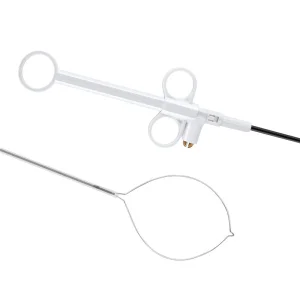
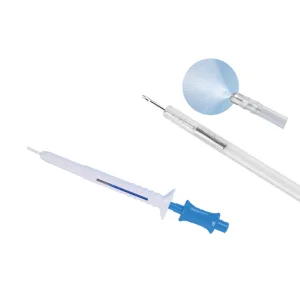
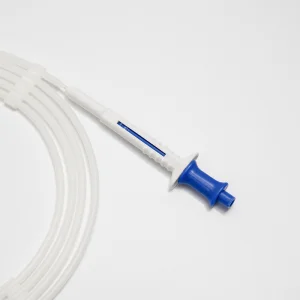
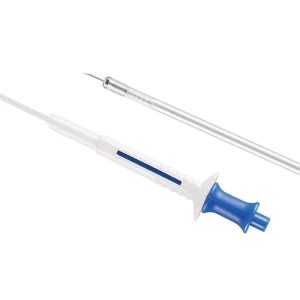
Cold snares and disposable injection needles engineered for clean submucosal cushions and flat polyp excision, minimizing perforation and delayed bleeding risks.
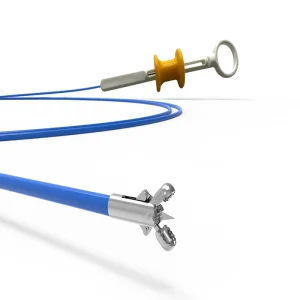
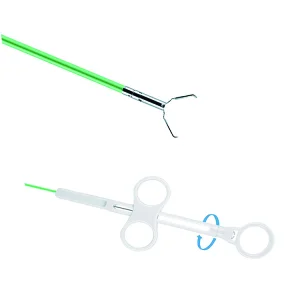
Synchronous 360-degree rotatable hemoclips with tactile feedback and repeat open-close capability, built to secure non-variceal bleeding lesions reliably.
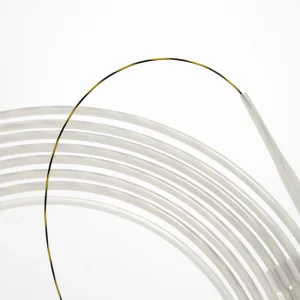
Hydrophilic guidewires, multi-lumen sphincterotomes, and biliary drainage systems optimized for stricture negotiation and reliable fluoroscopic visibility.
Suction-enabled ureteral access sheaths paired with nitinol extractors, sustaining continuous low intrarenal pelvic pressures during flexible ureterorenoscopy (fURS).
Direct specification criteria utilized by hospital procurement teams, biomedical engineers, and central sterile processing departments.
| Device Category | Channel Diameter (mm) | Working Length (mm) | Material Specification | Key Regulatory Standards |
|---|---|---|---|---|
| Rotatable Hemoclips | ≥ 2.8 | 1650 / 1950 / 2300 | Medical 304 Stainless Steel / PEEK | ISO 13485, CE (MDR), ISO 10993 |
| Cold & Hot Snares | ≥ 2.0 / 2.8 | 1800 / 2300 | Braided High-Tensile Nitinol Wire | IEC 60601-2-2 (HF Surgical), ISO 11135 |
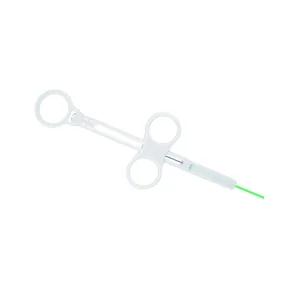
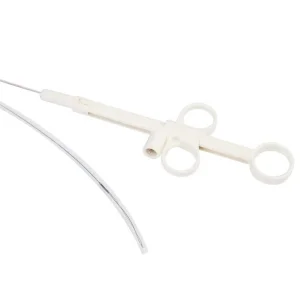
| Injection Needles | ≥ 2.0 / 2.8 | 1600 / 2300 | AISI 304 Beveled Needle / PTFE Sheath | ISO 7864, ISO 11607 (Packaging) |
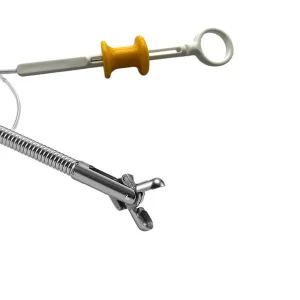
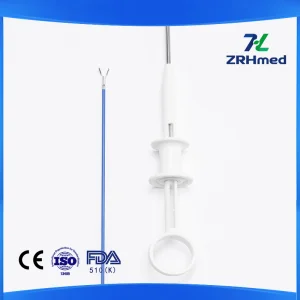
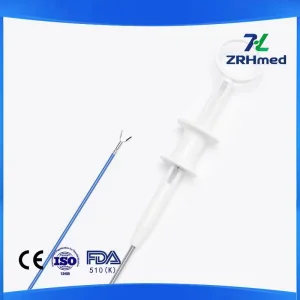
| Flexible Biopsy Forceps | ≥ 1.8 / 2.0 / 2.8 | 1200 / 1600 / 2300 | Coated Spring Wire / Fenestrated Cups | ASTM F899 (Surgical Stainless), CE MDR |
| Ureteral Access Sheath | 10/12 to 14/16 Fr | 350 / 450 / 550 | Reinforced Coiled Wire / Hydrophilic | ISO 10555 Catheter Standard, CE MDR |
Engineered for high procedural stability, responsive tactile control, and verified biocompatibility in international clinical applications.
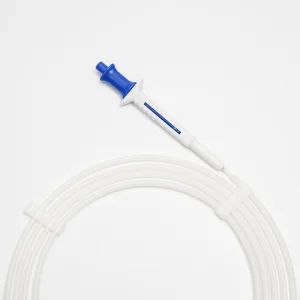
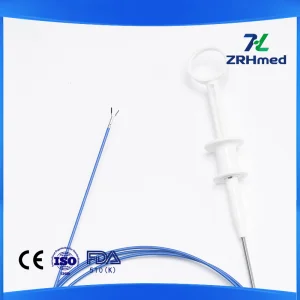
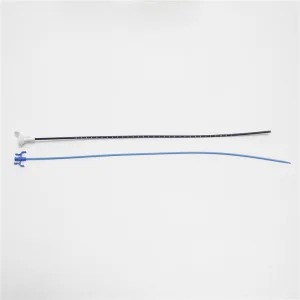
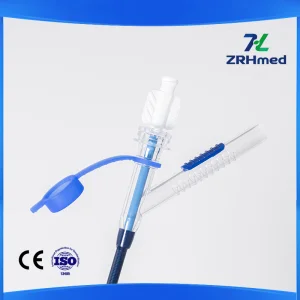
Market forces accelerating single-use adoption across North American, European, and Asia-Pacific healthcare ecosystems.
The rapid migration of screening colonoscopies and low-acuity interventions out of tertiary medical facilities into high-efficiency ASCs necessitates low-inventory, turn-key sterile consumables that eliminate cleanroom reprocessing bottlenecks.
Consumables are evolving alongside ultra-high-definition CMOS and LED chip-on-tip single-use endoscopes. Modern working channels demand lower-friction polymer jackets and ultra-thin wall lumens without compromising lumen stability.
Leading hospital systems increasingly incorporate ESG metrics into tender awards. Manufacturers are transitioning toward recyclable medical Tyvek, downsized sterile barrier profiles, and bio-neutral secondary packaging to decrease clinical waste mass.
Direct answers addressing regulatory validity, quality control verification, batch traceability, and tender customization.