
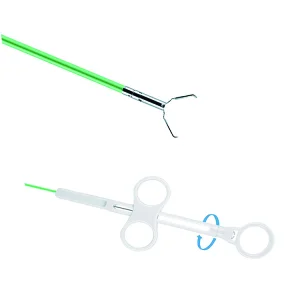
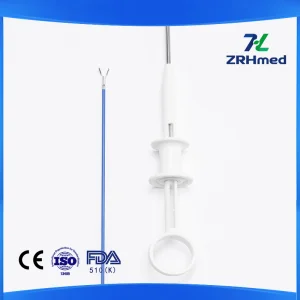
ODM Endoscope Accessories Delivery Systems Rotatable Hemostasis Clips Endoclip Factory, Factories
Inquire Specifications
Precision single-use endoscopic biopsy forceps, cold resection instruments, and custom OEM manufacturing solutions engineered to eliminate histological crush artifacts and ensure flawless clinical tissue retrieval.
Verified channel-matched consumables manufactured under sterile cleanroom standards for global hospital distributors and gastroenterology units.
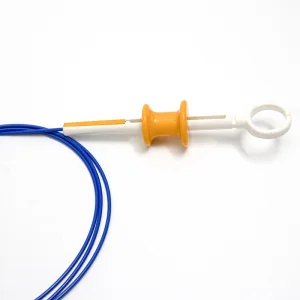
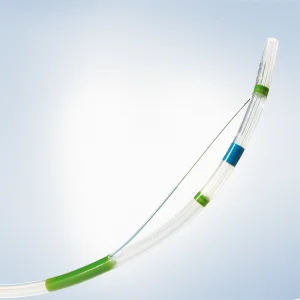
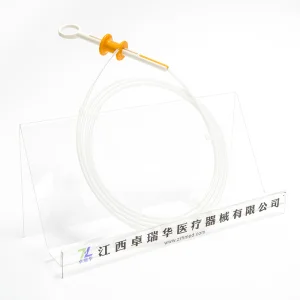
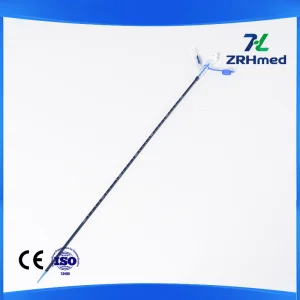
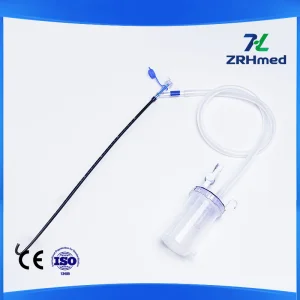
A rigorous review of structural mechanics, torsional rigidity, and histological yield optimization in flexible gastrointestinal endoscopy.
In modern gastrointestinal diagnostics, the diagnostic yield of flexible colonoscopy hinges significantly on the physical integrity of collected mucosal specimens. The transition from multi-use instruments to specialized, single-use colonoscopy forceps represents more than an infection prevention milestone; it represents an engineering evolution in micro-mechanical shearing dynamics and luminal navigation. When tissue samples undergo micro-crush trauma during scissor-action cup closure, histological interpretation can be impaired by mechanical artifacting, nuclear elongation, or denudation of epithelial lining.
Clinical Insight: The mechanical challenge during high-tortuosity colonoscopy navigation (such as navigating the sigmoid loop or splenic flexure) is maintaining 1:1 torque transmission from the proximal operator handle to the distal micro-jaw assembly without inducing sheath elongation or spring compression.
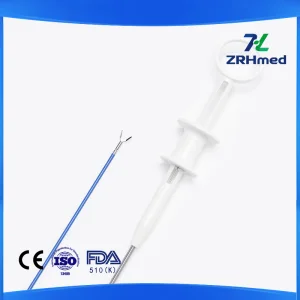
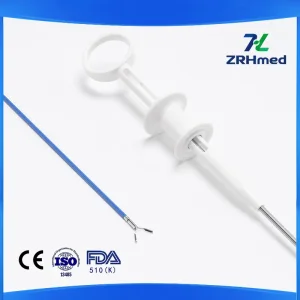
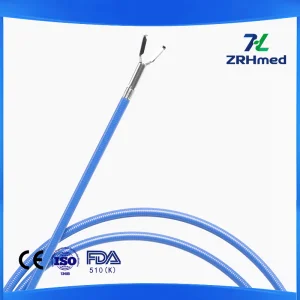
To satisfy varied anatomical presentations, leading manufacturing protocols incorporate high-tensile 304 and 17-4 precipitation-hardened martensitic stainless steels. The selection of jaw architecture directly governs specimen retention and margin preservation:
Engineered with lateral viewing apertures that prevent specimen compression during cup apposition. The window design accommodates mucosal bulge, harvesting deeper submucosal volume without tangential tearing.
Micro-milled serrated teeth provide positive inter-jaw traction. Crucial for sampling tough, fibrotic lesions, recurring sessile tissue, or tangentially positioned colonic folds where smooth cups slip.
Equipped with a central stainless steel positioning needle. Allows targeted multi-bite anchoring in hyper-peristaltic zones, ensuring the cups remain precisely centered over suspicious dysplastic mucosa.
The convergence of precision metallurgical infrastructure, high-throughput cleanroom robotics, and rigorous quality documentation creates unparalleled competitive advantages.
From precision wire drawing and micro-CNC EDM machining to spring coiling, PTFE jacket extrusion, and automated cleanroom blister packaging, full process localization reduces lead times and eradicates intermediate margin stacking.
Modern Chinese medtech factories run strict quality management systems complying with ISO 13485:2016, EU MDR 2017/745 Class IIa annexes, and US FDA QSR guidelines, simplifying market clearance for global importers.
Rapid tooling workshops allow iterative sheath stiffness calibration, customized handle colors, ergonomic grips, and bespoke working lengths (1600mm to 2400mm) tailored specifically to regional endoscope fleets.
High-volume automated assembly arrays safeguard procurement tenders against raw material volatility and seasonal surges, maintaining steady SKU availability across international distribution hubs.
Comparative technical analysis detailing single-use design paradigms against legacy reusable configurations.
| Performance Dimension | Legacy Reusable Biopsy Forceps | Advanced Single-Use Disposable (ZRH Medical) | Clinical & Operational Impact |
|---|---|---|---|
| Infection Risk & Sterility | Reprocessing biofilm hazards; internal lumen debris retention over repeated autoclaving cycles. | 100% Sterile (EO Gas / ISO 11135 validated); sterile pouch opening at bedside. | Zero cross-contamination risk; fully compliant with hospital cross-infection audits. |
| Cutting Edge Sharpness | Edge dulling occurs progressively after 5-10 sterilization autoclave cycles. | Micro-honed razor bevel; virgin sharpness calibrated for every single patient intervention. | Clean mucosal slice; completely eliminates histological crush artifact and tear deformities. |
| Tortuous Trackability | Internal cable fatigue causes variable friction, cup stutter, and incomplete closure in looped scopes. | Graded stiffness PTFE/PE jacketed sheath with high-torque wire rope core. | Smooth passage through retroflexed endoscopes and 180° colonoscope tip deflections. |
| Unit Cost vs TCO | High initial CAPEX + labor-intensive manual enzymatic reprocessing and maintenance costs. | Predictable OPEX per procedure; scalable direct-factory volume pricing. | Improves hospital surgical center throughput; reduces departmental labor load. |
The global endoscopic consumables sector is experiencing rapid technological evolution characterized by three clear dynamics:
1. Cold Resection Synergy: The clinical guidelines from the ESGE and ASGE increasingly advocate cold forceps resection for diminutive and small polyps (<5mm) to decrease post-procedural electrocautery perforation risks. This shift demands biopsy cups with enhanced razor geometry that cleanly sever the muscularis mucosae without electrical assistance.
2. Eco-Conscious Packaging Protocols: As healthcare institutions assess medical waste footprints, suppliers are tasked with re-engineering secondary packaging to lightweight materials, recyclable polymer blisters, and compact carton designs that optimize cargo container volume and reduce transport-associated carbon loads.
3. Low-Friction Sheath Science: Advanced hydrophilic and fluoropolymer co-extrusion technology has transformed sheath performance. By decreasing insertion resistance inside working channels (from 2.8mm to 3.2mm ID), wear-and-tear on flexible video scopes is mitigated, extending costly hospital capital equipment lifespans.
Engineered to adapt to distinct clinical environments—from ambulatory endoscopy suites to emergency trauma centers.
Where rapid turnaround and reliable tissue integrity dictate diagnostic metrics. Our colonoscopy forceps provide rapid insertion, prompt cup actuation, and intact histological retrieval, facilitating early detection of adenomas and serrated lesions.
Surveillance colonoscopies in long-standing Ulcerative Colitis or Crohn’s disease involve targeted multi-quadrant biopsies. Needle-equipped, fenestrated designs ensure rapid repetitive biopsies in chronically inflamed, vascular mucosal regions.
Cost-per-case precision is vital for outpatient facilities. Consolidating biopsy forceps with our complementary hemoclips, snares, and ERCP ranges creates shipment economies and reduces hospital inventory overhead.
Essential checklist criteria for hospital procurement boards, regional distributors, and medical group buyers.
Procurement directors sourcing single-use biopsy forceps and GI devices must audit suppliers beyond basic quotation margins. Device performance directly correlates with physician satisfaction and litigation safeguards. Key procurement criteria include:
Ensure suppliers provide full biocompatibility reports according to ISO 10993 (cytotoxicity, systemic toxicity, sensitization) and comprehensive ethylene oxide residual documentation (ISO 11135).
Verify that outer sheath diameters (typically 1.8mm to 2.3mm) and sheath lengths (1600mm to 2300mm) precisely match your institution's endoscope channel tolerances (2.8mm to 3.2mm ID) to eliminate channel lining abrasion.
Verify that individual Tyvek blister packaging displays explicit lot coding, sterilization date indicators, shelf life durations, and GS1 DataMatrix identifiers compatible with hospital ERP inventory scanning.
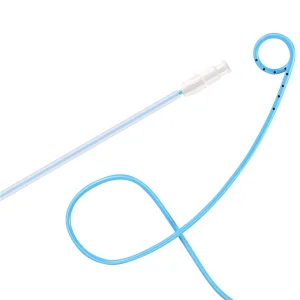
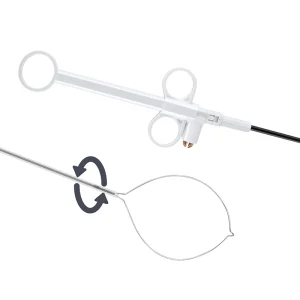
Expand your sourcing consolidation with high-performance rotatable hemoclips, drainage catheters, and surgical resection snares.
In-depth responses resolving clinical specifications, regulatory conformity, and international factory supply contracts.